Error Codes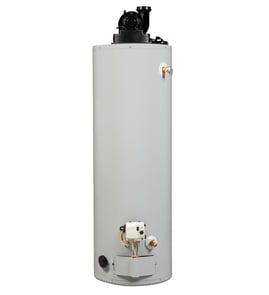





How to tell if a gas water heater is bad?
A State GS650YBVIT gas water heater is usually “bad” when the tank is leaking, it cannot reliably heat water, or it repeatedly shuts down even after basic maintenance. Before replacing the whole unit, we check for repairable causes like a failing relief valve, heavy sediment, or a depleted anode rod.
- Water around the base or rust streaks on the tank (often indicates tank failure)
- Not enough hot water or hot water runs out fast
- Rumbling, popping, or banging (sediment buildup in the tank)
- Pilot will not stay lit or burner will not ignite consistently
- Relief valve dripping or discharging (pressure or temperature issue)
- Discolored or smelly hot water (corrosion or bacteria issues)
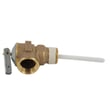
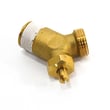
- Temperature and pressure relief valve: If it drips or releases water, the valve may be worn or the system may be over-pressurizing. A common replacement is the water heater temperature and pressure relief valve 100108279.
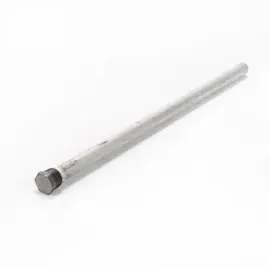
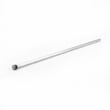
- Anode rod condition: A used-up anode accelerates tank corrosion. For this model, an option is the anode 33 in 100108260.
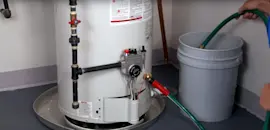
- Sediment in the tank: Sediment reduces efficiency and can cause noise and overheating. Flushing can help if the tank is not already leaking.
- Ignition problems: If the burner will not light, inspect the igniter and related wiring. A compatible part is the water heater burner igniter assembly 100110771.
| What you see | Most likely cause | Typical next step |
|---|---|---|
| Water seeping from tank body or seams | Tank failure | Replace water heater |
| Drip from relief valve outlet | Valve worn or pressure issue | Test system pressure; replace valve if needed |
| Loud rumbling/popping | Sediment buildup | Flush tank; evaluate performance |
| Pilot will not stay lit | Ignition/combustion issue | Clean intake, check igniter and venting |
A leaking tank usually cannot be repaired, but many “bad water heater” symptoms on the State GS650YBVIT are caused by serviceable parts. Catching issues early can prevent water damage, improve efficiency, and restore reliable hot water.
If your heater is showing a diagnostic light or code, use State gas water heater error codes to narrow down the failure.
Last updated: January 2026
What is the average cost of a 50 gallon gas water heater?
A 50-gallon gas water heater typically costs about $600 to $2,000+ for the unit, and about $1,000 to $3,100+ installed once labor and materials are included. For the State GS650YBVIT, the exact price depends on venting type, efficiency, and local code requirements.
- Basic atmospheric-vent tank: lower equipment cost, usually simpler install
- Power-vent or high-recovery models: higher equipment cost; more parts and labor
- Ultra Low NOx versions (where required): can increase equipment cost
- Replacement in the same footprint: usually less labor than a re-pipe or re-vent
| Cost item | Typical range | What changes it most |
|---|---|---|
| Water heater (50-gal gas) | $600 to $2,000+ | venting type, BTU/recovery, efficiency tier |
| Installation labor | $400 to $1,000+ | vent changes, gas line work, access, permits |
| Total installed | $1,000 to $3,100+ | all of the above plus materials |
- Converting from atmospheric vent to power vent (or vice versa)
- Reworking vent pipe, intake, or adding condensate handling (on some high-efficiency setups)
- Gas line resizing, shutoff replacement, or sediment trap updates
- Water line updates (valves, connectors, expansion tank)
- Permit and inspection requirements in your area
Matching the replacement to your existing venting and gas supply can prevent surprise labor costs. If your GS650YBVIT is showing performance issues, repairing a single component can sometimes be more cost-effective than full replacement.
If you are troubleshooting (no heat, ignition issues, venting faults), these model-compatible parts are often involved:
- Water heater burner igniter assembly 100110771
- Water heater exhaust vent blower assembly 100109785
- Water heater temperature and pressure relief valve 100108279
For diagnostic help on this brand, use State gas water heater error codes.
Last updated: January 2026
What is the most common problem with gas water heaters?
The most common issue we see on gas water heaters like the State GS650YBVIT is ignition trouble (pilot will not light or will not stay lit), often tied to a dirty burner area, restricted air intake, or a failing igniter assembly. Sediment buildup and relief valve dripping are also frequent.
- Pilot will not stay lit / no ignition: burner never fires, or it lights briefly then shuts off
- Restricted combustion air: lazy yellow flame, soot, or repeated shutdowns
- Sediment in the tank: popping or rumbling noises, slower recovery, overheating symptoms
- Pressure relief valve dripping: water at the discharge pipe, especially during heating cycles
- Vent or draft issues (power vent models): error codes, shutdowns, or poor combustion
- Confirm gas supply is on at the shutoff valve.
- Check the air intake area for lint, dust, or blockage; clean the screen if needed.
- Look for water at the relief valve discharge pipe (do not cap or plug it).
- Listen for popping/rumbling that suggests sediment.
- If your unit shows a fault, use State gas water heater error codes to narrow the cause.
If ignition or shutdown problems persist after basic cleaning and airflow checks, these model-compatible parts are common suspects:
| Symptom | Likely area | Example compatible part for this model |
|---|---|---|
| Pilot will not light or stay lit | Ignition/burner system | Water heater burner igniter assembly 100110771 |
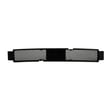
| Flame looks weak or unit starves for air | Combustion air intake | Water heater air intake screen 100109216 |
| Water dripping from discharge pipe | Safety pressure relief | Water heater temperature and pressure relief valve 100108279 |
Ignition and airflow problems can cause repeated shutdowns and poor hot water performance, while sediment and a dripping T&P relief valve can waste energy and signal overheating or pressure issues. Addressing the root cause helps protect the tank and improves efficiency.
Last updated: January 2026
What's the average lifespan of a gas hot water heater?
A gas tank water heater like the State GS650YBVIT typically lasts 8 to 12 years. With consistent maintenance (especially flushing sediment and protecting the tank from corrosion), it can reach 15 years; harsh water conditions and heavy use can shorten that timeline.
- 8 to 12 years: normal service life for many gas tank water heaters
- 12 to 15 years: common when maintenance is done regularly
- 15+ years: possible, but usually requires excellent water conditions and proactive upkeep
| Age of heater | What we recommend | What to watch for |
|---|---|---|
| 0 to 7 years | Maintain and monitor | Minor burner or venting issues |
| 8 to 12 years | Plan ahead for replacement | Efficiency drop, more frequent repairs |
| 13+ years | Replace proactively if problems start | Leaks, rust, unreliable hot water |
- Hard water and sediment buildup in the tank
- Corrosion protection (anode rod condition)
- Temperature setting (higher temps increase stress and scale)
- Venting and combustion health (clean air intake, stable flame)
- Pressure control (proper operation of the T&P relief valve)
- Flush a few gallons from the drain valve periodically to reduce sediment
- Inspect and replace the anode rod when it is heavily depleted; see anode 33 in 100108260
- Address dripping or discharge at the safety valve promptly; see water heater temperature and pressure relief valve 100108279
- Keep the combustion air path clear (lint and dust can cause poor burning)
Once a gas water heater gets past the 8 to 12 year range, the risk of sudden tank failure rises and repairs can become less cost-effective than replacement. Proactive maintenance and timely part replacement can help you avoid unexpected loss of hot water.
Last updated: January 2026