





Is it worth fixing a blown head gasket?
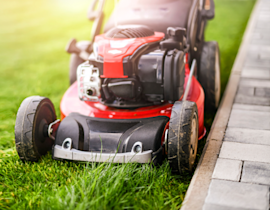
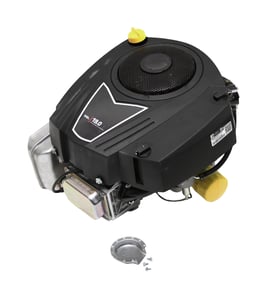
For a Briggs 33R877-0033-G1 lawn and garden engine, fixing a blown head gasket is worth it when the engine is otherwise in good condition and you are not seeing signs of internal damage; the repair is usually far less than replacing the entire engine. If overheating or oil contamination has been severe, the repair can turn into a larger rebuild.
Quick decision checklist
- The engine still turns over freely by hand (no hard stop or grinding)
- No loud knocking after the failure (rod or crank damage risk)
- Overheating was brief, not repeated
- Oil is not heavily milky for an extended time (water contamination)
- You are willing to replace related sealing parts while it is apart
What we recommend replacing at the same time
A head gasket job on a small engine often succeeds or fails based on the supporting parts and prep work.
- Replace the head gasket with the correct part for the engine family (match by model and type)
- Consider a full sealing refresh if there are multiple leaks: engine gasket set 794152
- If you suspect the engine ran hot, also plan on checking valve lash and inspecting the head for warping
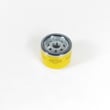
- Change oil and filter after the repair to remove contamination: lawn and garden equipment engine oil filter 696854
Typical cost and effort (what to expect)
| Scenario | What you do | Typical outcome |
|---|---|---|
| Simple head gasket failure | Replace gasket, clean surfaces, torque properly | Strong chance of full recovery |
| Overheated repeatedly | Gasket plus inspection of head, valves, cylinder | May need additional parts |
| Coolant-style contamination equivalent (water in oil) | Multiple oil changes, possible teardown | Higher risk of bearing wear |
Why it matters
A blown head gasket on a lawn and garden engine can cause compression loss, hard starting, overheating, and oil contamination. Fixing it early protects the cylinder head, piston, and crankcase sealing surfaces, and it helps prevent a minor repair from becoming a major engine rebuild.
Last updated: February 2026
How many hours of labor does it take to replace a head gasket?
For the Briggs 33R877-0033-G1 lawn and garden engine, head gasket replacement typically takes about 3 to 6 labor hours when the engine is accessible on the equipment; time increases if the engine must be removed, fasteners are seized, or the cylinder head needs extra cleaning and inspection.
What changes the labor time
- Engine access on the mower/tractor: tight shrouds, guards, and muffler heat shields add time
- Rusty or seized bolts: broken fasteners can add 1 to 3+ hours
- Overheating damage: warped head or heavy carbon buildup increases prep time
- Extra tear-down: valve cover, intake, exhaust, and blower housing removal varies by setup
- Parts availability: waiting on gaskets or seals can delay completion
Typical time breakdown (what the job usually includes)
| Step | Typical time |
|---|---|
| Remove covers, shrouds, muffler, and head | 1.0 to 2.0 hrs |
| Clean surfaces, check for warpage, prep for reassembly | 1.0 to 2.0 hrs |
| Reinstall head, torque sequence, reassemble and test run | 1.0 to 2.0 hrs |
Parts we commonly replace during a head gasket job
Using the correct gasket and sealing parts helps prevent repeat leaks and overheating.
- Engine cylinder head gasket 794114 (primary sealing gasket between head and cylinder)
- Engine gasket set 794152 (common option when multiple gaskets are disturbed during disassembly)
- Engine oil seal 795387 (often replaced if oil leakage is present near a shaft)
Why it matters
A head gasket seals compression, oil, and cooling airflow paths in an air-cooled Briggs engine. Rushing the job or skipping cleaning and torque steps can cause hard starting, low power, oil seepage, or repeat gasket failure.
Last updated: February 2026
What are the first signs of a blown head gasket?
On the Briggs 33R877-0033-G1 lawn and garden engine, the first signs of a blown head gasket are usually overheating, rough running (misfire), loss of power, and oil that looks milky or foamy. You may also notice white exhaust smoke and fluid loss that does not match normal use.
Quick symptoms checklist
- Engine runs hotter than normal or overheats under load
- Rough idle, misfiring, or hard starting
- Noticeable drop in power, especially when mowing or climbing
- White smoke from the exhaust after warm-up
- Oil looks milky, frothy, or overfilled on the dipstick
- Wetness or staining around the cylinder head seam
What to check first (fast, practical steps)
- Check the oil condition: Pull the dipstick and look for milky or foamy oil. If you see it, stop running the engine.
- Inspect for external leaks: Look around the cylinder head area for oil seepage or dark staining.
- Confirm fuel is not the issue: A clogged filter or restricted fuel line can mimic “loss of power” symptoms.
- Rule out airflow restriction: A dirty air filter can cause rich running and smoke that gets mistaken for gasket failure.
| What you notice | Most likely meaning | What we recommend |
|---|---|---|
| Overheats quickly | Combustion heat not being controlled (often head gasket related) | Stop use; inspect head area and oil |
| Rough idle + power loss | Compression leak or mixture issue | Check air/fuel basics, then compression |
| Milky/foamy oil | Fluid contamination in crankcase | Do not run; plan gasket service |
| White smoke after warm-up | Burning fluid or abnormal combustion | Inspect oil, head seam, and intake |
Parts that commonly get involved
If you confirm gasket-related symptoms, these parts are often replaced or checked during the repair:
- Engine cylinder head gasket 794114 (seals the cylinder head to the block)
- Engine gasket set 794152 (common seals used when opening the engine)
- Engine air filter 793569 (helps prevent rich running and plug fouling)
- Engine fuel filter (white) 394358S (helps prevent lean surging and power loss)
Why it matters
Continuing to run a 33R877-0033-G1 with a failing head gasket can quickly turn a sealing problem into internal wear. Catching early signs like overheating, misfire, and contaminated oil helps prevent damage to the cylinder head, piston, and crankcase sealing surfaces.
Last updated: February 2026
What is the cheapest way to fix a blown head gasket?
For a Briggs 33R877-0033-G1 lawn and garden engine, the cheapest real fix for a blown head gasket is replacing the head gasket and correcting the cause (overheating, loose head bolts, warped surfaces). “Sealer” products are not a reliable option for air-cooled mower engines.
Lowest-cost repair approach (that actually lasts)
- Confirm the failure first (loss of power, hard starting, oil seepage at head, compression leak).
- Replace the head gasket; for this engine, a common choice is the engine cylinder head gasket 794114.
- Clean mating surfaces carefully (no deep gouges); remove carbon buildup.
- Check the cylinder head for warping; replace or machine if needed.
- Reassemble and torque head bolts in the proper pattern and in steps.
- Change oil and verify crankcase level using the dipstick/tube assy 790443.
Parts that often make the “cheap fix” fail again
A head gasket usually blows because something else is wrong. These are common contributors we see on lawn and garden engines:
- Restricted cooling airflow (debris packed under shrouds)
- Lean running from fuel restriction (clogged filter or line)
- Dirty intake filtration (engine runs hotter and wears faster)
- Oil level too low or oil breakdown
- Old gasket material left behind during repair
Quick parts check list
| What to check | What it affects | Example part for this model |
|---|---|---|
| Air filter condition | Running temp, wear | Engine air filter 793569 |
| Fuel delivery restriction | Lean running, overheating | Engine fuel filter (white) 394358S |
| Oil filtration | Oil life, internal wear | Engine oil filter 696854 |
Why it matters
A “cheap” shortcut that does not restore proper sealing can lead to repeated gasket failure, hard starting, loss of compression, and accelerated wear. Replacing the gasket and fixing the root cause is the lowest total-cost path for the 33R877-0033-G1.
Last updated: February 2026