Owner’s manual
 View engine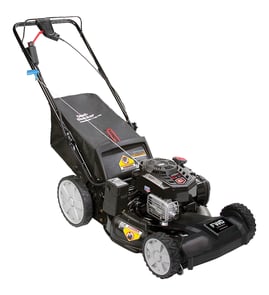



Should I use 87 or 89 gas for lawn mower?
For your Craftsman lawn mower model 917388560, use regular unleaded gasoline with a minimum of 87 octane; 89 octane is not needed for normal operation. Also keep ethanol content at 10% or less (E10 max) and use fresh fuel you can burn within about 30 days (per the fuel guidance in the owner's manual).
What to use (and what to avoid)
- Use: Fresh, clean 87 octane regular unleaded
- OK but unnecessary: 89 octane (won’t hurt, but won’t add power or reliability)
- Avoid: Fuel with more than 10% ethanol (E15/E85)
- Avoid: Old fuel (stale gas is a top cause of hard starting)
- Never mix oil and gas in the fuel tank (this is a 4-cycle engine setup)
Quick fuel comparison
| Fuel at the pump | Use it in model 917388560? | Why |
|---|---|---|
| 87 octane (regular) | Yes | Meets the mower’s minimum octane requirement |
| 89 octane (mid-grade) | Optional | No performance benefit for this mower |
| 91-93 octane (premium) | Optional | Higher octane does not equal “cleaner” or “more power” |
| E15 (15% ethanol) | No | Higher ethanol increases moisture issues and fuel-system problems |
| E85 (85% ethanol) | No | Not compatible with small-engine fuel systems |
Best practices for fewer starting and running problems
- Buy only the amount of gas you’ll use in 30 days.
- Fill the tank to the bottom of the filler neck; don’t overfill.
- Wipe up spills right away and refuel only when the engine is cool.
- If the mower will sit 30 days or longer, plan for proper storage steps (fuel left sitting can cause separation and acids).
Why it matters
Using the correct fuel (87 octane, E10 or less, fresh) helps prevent hard starting, rough running, and fuel-system damage during storage. It also keeps your mower operating the way it was designed in the product specifications.
Last updated: February 2026
What are the common problems with Craftsman lawn mowers?
Common problems on the Craftsman 917388560 gas walk-behind mower include hard starting or no-start, loss of power, uneven cutting, excessive vibration, and a starter rope that’s hard to pull. Most issues trace back to fuel, airflow, blade/deck buildup, oil level, or a worn or loose blade; our owner's manual troubleshooting chart walks you through the quickest checks.
Most common symptoms and what usually causes them
- Won’t start / starts then dies: stale fuel, dirty air filter, spark plug issues, fuel valve OFF (if equipped)
- Loss of power: cutting too low in heavy grass, dirty air filter, grass buildup under the deck, too much oil, walking speed too fast
- Poor cut (uneven): worn/bent/loose blade, uneven wheel height settings, debris packed under the mower
- Excessive vibration: worn/bent/loose blade, bent crankshaft
- Starter rope hard to pull: blade dragging in grass, flywheel brake engaged when control bar released, broken blade adapter
Quick checks we recommend first (fast, no parts required)
- Disconnect the spark plug wire before inspecting the blade or working under the deck.
- Confirm the control bar is held against the handle while starting (flywheel brake releases only when the control bar is engaged).
- Check oil level; overfilling can cause power and running problems.
- Clean packed grass and debris from under the mower deck.
- Verify cutting height is not set too low for thick or tall grass.
Parts that commonly solve cutting and vibration complaints
If the mower is shaking, cutting unevenly, or leaving uncut strips, the blade and blade mounting parts are the first place we look.
| Symptom | Most likely area | Common fix |
|---|---|---|
| Uneven cut | Blade or deck | Clean deck; replace blade if worn/bent |
| Vibration | Blade or crankshaft | Tighten/replace blade; inspect crankshaft |
| Rope hard to pull | Blade adapter or blade drag | Clear grass; inspect adapter |
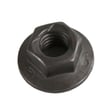
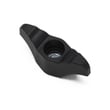
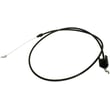
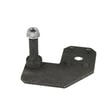
Model-matched parts on this page that often apply:
Why it matters
Running with a bent or loose blade can damage the blade adapter, crankshaft, and deck housing, and it also makes starting harder and cutting performance worse. Keeping the underside of the deck clean and the oil level correct prevents many “loss of power” and “won’t start” complaints.
Last updated: February 2026
What is the life expectancy of a gas-powered lawn mower?
A gas-powered walk-behind lawn mower typically lasts 8 to 10 years with normal homeowner use. For your Craftsman model 917388560, consistent maintenance (oil changes, blade care, air filter service, and proper storage) is what most directly determines whether it reaches or exceeds that range.
Typical lifespan (what to expect)
Most gas mowers wear out from a mix of engine hours, corrosion, and neglected maintenance. Use this as a practical guide:
| Use pattern | Typical life expectancy | What usually ends it |
|---|---|---|
| Light (small yard, seasonal) | 10+ years | Rusted deck, neglected fuel/storage |
| Average homeowner | 8 to 10 years | Engine wear, drive/control cable issues |
| Heavy use (large yard, frequent mowing) | 5 to 8 years | High engine hours, repeated impacts |
Maintenance that extends mower life
These actions have the biggest payoff for engine life and cut quality:
- Replace the spark plug at the start of each mowing season or about every 100 hours.
- Keep the underside of the deck clean after each use; built-up grass makes the engine run hotter.
- Avoid spraying the mower with a garden hose unless sensitive areas are protected; water in the engine shortens engine life.
- Keep the blade sharp and balanced; a dull blade strains the engine and leaves ragged grass.
- Store with clean, stabilized fuel and follow the storage steps in the owner's manual.
When it is time to repair vs. replace
We use these checkpoints to decide whether a repair is worth it:
- Repair makes sense when the mower starts reliably and the deck is solid (no severe rust-through).
- Replacement makes sense when the deck is failing, the engine has low compression, or repairs are stacking up every season.
- If the blade area is damaged (adapter wobble, vibration), address it quickly to avoid crankshaft damage.
Common wear items you can replace
If your mower is otherwise in good shape, replacing wear parts often restores performance:
- Husqvarna lawn mower 21-in deck 3-in-1 blade 532189028 (poor cut, tearing grass)
- Lawn mower blade adapter 581547901 (blade wobble, vibration)
- Walk-behind lawn mower engine cable 532176556 (control bar issues, engine won’t stay running)
Why it matters
A mower that is cleaned, tuned, and stored correctly runs cooler, starts easier, and avoids the most common early failures (fuel problems, overheating, and vibration damage). That is what turns an 8-year mower into a 10-year mower.
Last updated: February 2026
Is it cheaper to repair or replace a lawnmower?
For a Craftsman walk-behind mower like model 917388560, repairing is usually cheaper when the deck and engine are basically sound and you can handle simple DIY work (blade, cable, wheels). Replacing is usually cheaper when the engine or crankshaft is damaged or multiple major systems are worn.
Quick rule of thumb
- Repair when the mower still starts, runs, and the fix is a wear item (blade, blade adapter, cable, bag).
- Replace when you have severe vibration, a bent crankshaft, or repeated failures that point to major internal engine damage.
- Use the troubleshooting and maintenance sections in the owner's manual to confirm what symptom you have before spending money.
What to check first (fast, low-cost diagnostics)
- Inspect the blade for wear, bends, or looseness.
- Look for grass and debris buildup under the deck that can cause poor cut and power loss.
- Check cutting height; cutting too low in heavy grass can bog the mower.
- If the starter rope is hard to pull, make sure the control bar is fully depressed before pulling.
- If vibration is excessive, stop using the mower and inspect the blade and blade adapter.
Common repairs that usually make financial sense
These are typical “high value” fixes on this model because they restore performance without major teardown:
| Symptom | Likely fix | Example part for 917388560 |
|---|---|---|
| Poor cut or uneven cut | Replace worn/bent blade; clean underside of deck | Husqvarna lawn mower 21-in deck 3-in-1 blade 532189028 |
| Excessive vibration | Tighten/replace blade; inspect blade adapter | Lawn mower blade adapter 581547901 |
| Control feels wrong or engine won’t stay running when you hold the bar | Replace zone control/engine cable | Walk-behind lawn mower engine cable 532176556 |
| Bagging performance is poor | Clean or replace grass bag | Grass bag 532410666 |
When replacement is the better value
- The manual’s troubleshooting points to a bent engine crankshaft (often shows up as persistent, severe vibration).
- The mower needs multiple big-ticket items at once (deck housing, wheels/axles, controls) and overall condition is poor.
- You are paying labor for diagnosis and repair; labor often exceeds the value of an older walk-behind mower.
Why it matters
Choosing repair vs. replace comes down to whether you are fixing normal wear items (cost-effective) or chasing major engine or structural damage (costs stack quickly). A quick inspection plus the owner's manual troubleshooting chart prevents spending money on the wrong part.
Last updated: February 2026