Error Codes




Where to find model on GE washer?
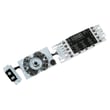
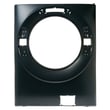
On a GE washer like model PFW870SPV0RS, the model number is printed on a rating label on the cabinet. On front-load models, we most often find it in the door opening (door jamb) or just behind the door; some units also place it on the back of the control panel area.
Common places to check on PFW870SPV0RS
- Open the washer door and check the door jamb (the frame around the opening)
- Look behind the door on the front cabinet lip
- Check the rear of the control panel area (back side of the console)
- Look on the side of the cabinet near the bottom edge
- Check the rear panel of the washer cabinet
What the label looks like (and what to copy)
The rating label typically includes the model number and other identifiers. Copy the model number exactly as shown.
| Label item | Why it matters when ordering parts |
|---|---|
| Model number (PFW870SPV0RS) | Ensures diagrams and parts match your exact washer |
| Serial number | Helps confirm production run and compatible revisions |
| Electrical ratings | Useful when diagnosing control or motor issues |
Why it matters
GE often uses similar-looking platforms across multiple washers, and small model-number differences can change the correct door lock, control board, or water inlet valve. Using the exact model number helps us match the right replacement part the first time.
If the door won’t open
If the washer is locked and you cannot access the door jamb label, check the back of the console area first. If you are troubleshooting a lock problem, the GE washer door lock WH01X29528 is a common related part for this model.
Last updated: February 2026
How much does it cost to replace a gasket on a GE washing machine?
On the GE PFW870SPV0RS washer, replacing the door gasket (door boot) typically costs $50 to $200 for the part plus $150 to $350 for labor if you hire service; total installed cost is commonly $200 to $550. DIY replacement usually costs just the part and basic supplies.
What changes the price most
- Washer type: Front-load door boots cost more than many top-load seals.
- Service call minimums: Many companies charge a flat diagnostic or trip fee.
- Extra parts needed: Clamps or related door-lock parts sometimes get replaced at the same time.
- Leak damage cleanup: Mold, residue, or cabinet rust can add time.
- Your location and timing: After-hours and weekend rates increase labor.
Parts you may need for this model
A door gasket job often involves reusing clamps, but if a clamp is stretched, corroded, or won’t reseat, replacement is common.
| Item | What it does | When it’s needed |
|---|---|---|
| Inner gasket clamp WH01X29615 | Secures the inner edge of the boot to the tub | Clamp is bent, rusted, or won’t hold tension |
| Washer door boot spring clamp WH05X29663 | Secures the outer edge of the boot to the front panel | Spring is weak or clamp pops off |
DIY vs. pro: quick comparison
- DIY: Lowest cost; plan 1 to 3 hours; best if you’re comfortable removing the front panel and reseating clamps evenly.
- Pro service: Higher cost; faster and cleaner; best if the washer is leaking heavily or you suspect additional issues.
Why it matters
A torn or mis-seated door boot can cause leaks, odors, and repeated door-lock errors. Fixing the gasket early helps protect the electronic control area and prevents water damage to the floor.
Last updated: February 2026
Why is my GE washing machine not draining water?
If your GE washer model PFW870SPV0RS is not draining, the most common causes are a clogged pump filter or sump hose, a kinked/blocked drain hose, or a failed drain pump. Start with a simple drain-path check; then test the pump and door lock circuit.
Quick checks (fastest fixes first)
- Unplug the washer for safety; then wait 1 minute before touching wiring.
- Confirm the drain hose is not kinked, crushed, or shoved too far down the standpipe.
- Check the standpipe or sink drain for a slow household clog (washer may drain, but the plumbing backs up).
- Run a Drain/Spin cycle with the tub empty to see if it drains consistently.
- Listen for the drain pump: a steady hum with little or no water movement often points to a blockage or a weak pump.
Parts that commonly cause “won’t drain” on PFW870SPV0RS
If the drain path is clear and the washer still will not drain, these model-matched parts are common suspects:
Symptom-to-cause guide
| What you notice | Most likely cause | What we recommend |
|---|---|---|
| Water stays in tub; pump is loud or humming | Pump jammed or failing | Inspect for debris; replace pump if noisy/weak |
| Drains sometimes; worse with lint/pet hair | Partial clog in sump hose or pump inlet | Remove and clear sump hose and pump inlet |
| Won’t drain and door stays locked or errors mid-cycle | Door lock not proving locked | Check latch/lock operation; replace door lock |
| Drains slowly; no unusual pump noise | Drain hose/house drain restriction | Correct hose routing; clear plumbing restriction |
Why it matters
A no-drain condition can leave water in the tub, prevent high-speed spin, and trigger repeated cycle stops. Clearing the drain path early helps prevent pump damage and reduces odor and residue buildup.
When to stop and call service
- Water is leaking from the front or underneath during drain
- You smell burning or see damaged wiring at the pump
- The breaker trips when the washer tries to drain
Last updated: February 2026
Why is my GE front load washer leaking from the bottom?
A bottom leak on your GE PFW870SPV0RS front load washer usually comes from a loose or split hose, a drain system leak, or an overfill condition. Start by checking the drain and sump hoses for drips, then inspect the door boot area for water tracking down the front.
Most common bottom-leak causes (and what to check)
- Sump hose leak: Look for wetness at hose clamps and at the tub-to-pump connection; inspect the sump hose WH41X30355 for cracks, pinholes, or a loose clamp.
- Drain pump or pump housing leak: Water can drip during drain or spin; check around the pump body and mounting area.
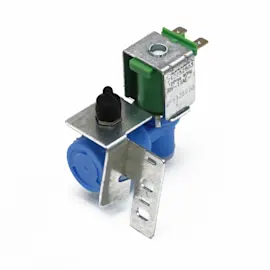
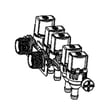
- Water inlet valve seep/overfill: A valve that does not close fully can cause slow overfilling and overflow into the base; consider the GE washer water inlet valve WH23X29553 if you see constant dripping into the dispenser or tub.
- Dispenser fill hose leak: Leaks can run down inside the cabinet and appear as a bottom leak; inspect the dispenser fill hose WH01X29652 for splits or loose connections.
- Door boot (bellows) leak that runs downward: A small tear or a loose clamp can send water down the front frame and out the bottom; check the boot lip and the washer door boot spring clamp WH05X29663.
Quick diagnosis: when does it leak?
| When you notice water | Most likely area | What you will see |
|---|---|---|
| During fill | Inlet valve, dispenser hose | Drips near rear/top, water trails down cabinet |
| During wash/tumble | Door boot, tub-to-hose joints | Water at front frame or along side panels |
| During drain/spin | Pump, sump hose | Drips near pump area, puddle grows quickly |
Fast checks we recommend (10 to 15 minutes)
- Unplug the washer; turn off both water supply valves.
- Pull the washer forward and remove the lower front access area (if accessible) to view hoses.
- Run a Rinse/Drain & Spin cycle and watch with a flashlight for the first drip point.
- Tighten any spring or screw clamps you can safely reach.
- If the leak is only at high spin with heavy vibration, re-level the washer and reduce load size.
Why it matters
Bottom leaks can damage flooring and can also reach electrical components like the main harness or control area. Finding the first drip point prevents replacing good parts and helps you target the correct hose, clamp, valve, or pump.
Last updated: February 2026