


How much should a central air conditioning unit cost?
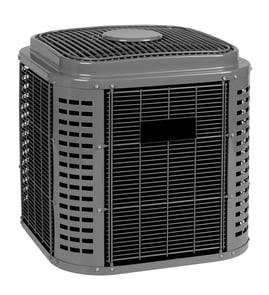
A central air conditioning system typically costs $3,000 to $15,000+ installed, depending on system size (tonnage), efficiency (SEER2), and installation complexity. For an Icp CA9030VKA2 outdoor condenser, the biggest price swings usually come from labor, ductwork, and electrical work, not the cabinet itself.
What drives the price most
- System size (tons/BTU capacity): larger capacity equipment and more labor cost more
- Efficiency (SEER2): higher efficiency usually increases equipment cost
- Installation complexity: pad, electrical disconnect, line-set routing, and refrigerant work
- Ductwork condition: sealing, repairs, or resizing can add significant cost
- Indoor equipment needs: evaporator coil plus furnace or air handler compatibility
- Permits and code requirements: varies by location
Typical installed cost ranges
| Scenario | Typical range | What’s usually included |
|---|---|---|
| Basic condenser and indoor coil replacement | $3,000 to $7,000 | Swap-out when ducts and electrical are in good shape |
| Higher-efficiency upgrade | $6,000 to $12,000 | More setup, commissioning, and sometimes additional components |
| Ductwork or electrical modifications needed | $10,000 to $15,000+ | Duct repairs, new circuits, disconnect, or major airflow corrections |
Quick checks before you compare quotes
- Confirm the exact model number CA9030VKA2 and match the indoor coil and metering device
- Ask whether the quote includes a new line set, filter drier, and refrigerant charge
- Verify the contractor will measure airflow and static pressure, not just replace equipment
- Make sure start-up includes electrical checks of components such as the contactor and fan motor
Why it matters
A low bid often skips airflow and commissioning steps that prevent short cycling, poor comfort, and high energy use. Proper sizing and installation reduces strain on key components and helps the system run reliably.
If you are repairing (not replacing) a CA9030VKA2, common service parts include the central air conditioner condenser fan motor 1053217 and the fan blade 1085840.
Last updated: January 2026
What are the best central air conditioner brands?
The “best” central air conditioner brand is the one that matches your home’s load calculation, has strong local installer support, and offers the efficiency and features you want. For an Icp CA9030VKA2 condenser, brand quality matters, but correct sizing and installation matter more.
Brands that are commonly rated highly
Most homeowners and HVAC pros tend to put these brands in the top tier for reliability and dealer support (availability varies by region):
- Carrier
- Trane
- Lennox
- Rheem
- American Standard
- York
- Goodman
- Bryant
What to compare when choosing a brand
Use these factors to compare models across brands, not just the logo on the cabinet:
- SEER2/EER2 efficiency: higher efficiency can lower operating cost
- Compressor type: single-stage, two-stage, or variable-speed (comfort and noise)
- Sound ratings: quieter outdoor units improve comfort near patios and bedrooms
- Warranty terms: parts coverage length and any registration requirements
- Local parts and service availability: fast repairs depend on local supply
- Compatibility: matching indoor coil and thermostat controls
Quick comparison guide
| What you care about | What to look for | Why it helps |
|---|---|---|
| Lower energy bills | Higher SEER2, properly matched system | Reduces run cost when sized correctly |
| Best comfort | Two-stage or variable-speed | More even temperatures and humidity control |
| Quiet operation | Lower published dB rating | Less outdoor noise |
| Fewer repair delays | Strong local dealer network | Faster diagnosis and parts sourcing |
Why it matters
Central air conditioners are a “system,” not just an outdoor unit. Even a premium brand can perform poorly if the unit is oversized, airflow is wrong, or refrigerant charge is off. A properly installed mid-tier system often outperforms a poorly installed top-tier system.
Helpful part note for Icp CA9030VKA2 owners
If you are evaluating repair versus replace, the condition of key components can influence the decision. Common service items on this model include the central air conditioner condenser fan motor 1053217 and the contactor (a frequent electrical wear item).
Last updated: January 2026
What is the average lifespan of a central air conditioning unit?
Most central air conditioning units last 15 to 20 years with normal use and regular maintenance; for an Icp CA9030VKA2 outdoor cooling condenser, keeping airflow clear and electrical components healthy is what most often determines whether you reach the high end of that range.
Typical lifespan ranges
| Unit condition | Typical lifespan | What usually shortens life |
|---|---|---|
| Well maintained | 15 to 20 years | Dirty coil, restricted airflow, electrical wear |
| Minimal maintenance | 10 to 15 years | Overheating, hard starts, corrosion |
| Harsh conditions (coastal, heavy run time) | 8 to 12 years | Salt corrosion, constant cycling, vibration |
What to do to help your CA9030VKA2 reach 15 to 20 years
- Keep the outdoor coil and cabinet free of leaves, grass clippings, and lint.
- Maintain 18 to 24 inches of clearance around the condenser for proper airflow.
- Replace or clean the indoor air filter regularly (a clogged filter raises system strain).
- Watch for frequent clicking, buzzing, or hard-start symptoms; those often point to a failing contactor or motor.
- Have a technician check refrigerant charge and electrical connections during seasonal service.
Parts that commonly affect reliability
If the condenser will not start, starts intermittently, or the fan does not run, these model-matched parts are common suspects:
Why it matters
A central air conditioner that is nearing end-of-life often costs more to run and is more likely to fail during peak heat. Simple airflow and electrical checks reduce overheating and repeated start stress, which are two of the biggest lifespan killers for outdoor condensers.
Last updated: January 2026