Owner’s manual
 Error Codes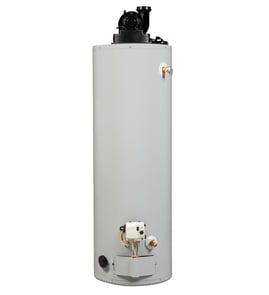




What's the average lifespan of a gas hot water heater?
A gas water heater typically lasts 8 to 12 years. For the Kenmore 153336751 power miser 6 gas water heater, consistent maintenance (especially flushing and keeping the burner area clean) helps you reach the upper end of that range; neglected maintenance and hard water shorten life.
Typical lifespan and what changes it
Most gas water heaters fail from tank corrosion, sediment buildup, or combustion-related wear.
- Water quality: hard water accelerates scale and sediment
- Maintenance: periodic flushing reduces sediment and overheating
- Usage: high demand and high thermostat settings increase wear
- Venting and combustion: poor draft or sooting stresses the burner system
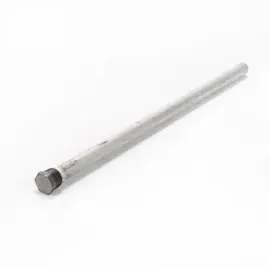
- Protection parts: a healthy anode rod helps protect the tank from corrosion
Quick “replace vs. repair” guide
| What you notice | What it usually means | What we recommend |
|---|---|---|
| Rusty water or rust at fittings | Internal corrosion starting | Plan for replacement soon |
| Rumbling or popping | Sediment buildup overheating the tank | Flush tank; evaluate condition |
| Pilot won’t stay lit | Weak thermocouple, dirty pilot, gas control issues | Diagnose ignition system parts |
| Water around base of tank | Tank leak | Replace the water heater |
Maintenance that helps you hit 12+ years
Use the 153336751 owner’s manual for the exact procedures and safety steps for your Kenmore model.
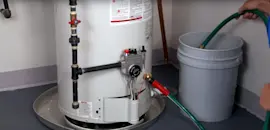
- Flush a few gallons from the drain valve periodically to reduce sediment
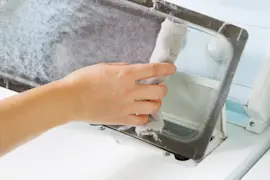
- Keep the burner compartment clean and free of lint and dust
- Watch for signs of sooting and venting problems (draft issues can be dangerous)
- Check for small leaks at fittings before they become major leaks
- Inspect corrosion protection; replace the anode rod when it is heavily depleted
Why it matters
A water heater near end-of-life can lose efficiency, deliver less hot water, and develop leaks. Staying ahead of sediment and corrosion helps protect the tank and reduces strain on key gas components like the pilot, thermocouple, and burner.
Last updated: January 2026
Why are gas water heaters being phased out?
Gas water heaters are being phased out in some areas because local air-quality rules target nitrogen oxides (NOx) emissions from gas appliances, and water heaters are a major source. Your Kenmore model 153336751 can still be used where allowed; always follow the safety and venting requirements in the 153336751 owner's manual.
What is driving the phase-outs
Most phase-out proposals focus on reducing smog-forming emissions from buildings. Common drivers include:
- Local or regional clean-air regulations that limit NOx from gas burners
- City or utility electrification programs that encourage heat pump water heaters
- New-building codes that restrict gas piping in new construction
- Incentives and rebates that make electric options more cost-effective
- Long-term targets to reduce overall combustion in dense metro areas
What this means for repairs on Kenmore 153336751
If your area still allows gas water heaters, repairing your existing unit is often practical, especially for common ignition and burner issues.
Typical repair-related parts for this model include:
- Water heater pilot tube assembly 100108370 if the pilot will not stay lit
- Water heater burner tube 100108875 if the burner flame is uneven or noisy
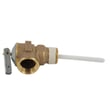
- Water heater temperature and pressure relief valve 100108279 if the relief valve drips or will not reseat
Quick decision guide: repair vs. replace
| Situation | Usually best next step |
|---|---|
| Pilot will not stay lit, burner will not ignite | Diagnose pilot, thermocouple, and gas control per manual; replace failed ignition parts |
| Sooting or poor draft symptoms | Stop using and correct venting/combustion air issues before operating |
| You are in an area with new restrictions | Plan for an approved replacement type (often heat pump electric) |
Why it matters
Gas water heaters need correct combustion air and proper venting to operate safely. The manual also notes that soot build-up indicates a problem that must be corrected before further use, and that improper drafting can spill flue gases.
Last updated: January 2026
How to identify a gas water heater?
A gas water heater (including Kenmore model 153336751) has a gas control valve and burner compartment, and it vents combustion gases through a metal flue/vent pipe. You can confirm the fuel type by checking the model rating plate near the gas control valve as described in the 153336751 owner's manual.
Quick visual checks (no tools)
- Look for a gas control valve with a temperature knob and a gas line connected to it.
- Look for a draft hood on top and a metal vent pipe running upward (gas units must vent).
- Look for a burner access area near the bottom (where the pilot and burner operate).
- Check for a pilot viewing window or access panel (many gas models have one).
- Find the model rating plate above the gas control valve; it lists the gas type the heater is equipped for.
Safety first before you inspect
Gas water heaters can be dangerous if there is a leak or venting problem.
- If you smell gas, do not light the pilot or flip nearby electrical switches; leave the area and follow your gas supplier’s instructions.
- Keep gasoline, solvents, and other flammable vapors away from the heater.
- Make sure combustion air openings are not blocked.
- If the vent looks loose, crushed, rusted through, or blocked, stop and have the venting checked.
What to check on the rating plate
The manual notes that this water heater is equipped for one type of gas only, and the correct gas is shown on the rating plate near the gas control valve.
| What you see | What it means | What to do next |
|---|---|---|
| “Natural gas” (or similar) | Unit is set up for natural gas | Use only that gas type |
| “Propane/LP” (or similar) | Unit is set up for LP gas | Use only that gas type |
| Venting instructions and draft hood references | Confirms gas-fired venting design | Verify vent is intact and unobstructed |
Why it matters
Using the wrong gas type or operating with obstructed or deteriorated venting can create serious safety risks. Confirming the rating plate information and venting setup helps you identify the heater correctly and avoid improper service.
Last updated: January 2026
How do I know if my thermocouple is bad on my gas water heater?
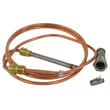
On the Kenmore 153336751 power miser 6 gas water heater, a bad thermocouple shows up as a pilot light that will not stay lit after you release the gas control knob. When the pilot drops out, the main burner cannot run, so you get little or no hot water.
Common signs of a bad thermocouple
- Pilot lights only while you hold the knob down, then goes out immediately.
- Pilot goes out repeatedly, especially when the burner tries to start.
- Burner never ignites because the gas valve will not stay open.
- Pilot flame looks weak or does not hit the thermocouple tip.
- Soot or debris is visible around the pilot and burner area.
Safe checks to do first
Follow the lighting and safety steps in the 153336751 owner’s manual before opening doors or inspecting the pilot area.
- If you smell gas: do not light the appliance or touch electrical switches.
- Check gas fittings with a soapy water solution (never a flame).
- Verify the manual gas shutoff valve is fully open.
- Use the viewing opening behind the outer door to confirm the pilot is actually lit.
Thermocouple vs. other likely causes
| What you observe | Most likely cause | What to do next |
|---|---|---|
| Pilot goes out when you release the knob | Thermocouple not generating enough signal, or flame not contacting tip | Reposition the tip in the flame; clean pilot area; replace thermocouple if needed |
| Pilot flame is yellow/weak | Dirty pilot, restricted air, or burner compartment debris | Clean burner area; ensure proper combustion air |
| Pilot and burner shut down after overheating | High temperature shutoff in the gas control valve (non-resettable) | Turn gas OFF and have the control valve replaced by a technician |
Why it matters
The thermocouple is a safety device that proves the pilot flame is present. If it does not sense flame, it closes the gas valve so gas cannot flow to the burner.
Last updated: January 2026