Owner’s manual
 Error Codes


Does a Kenmore upright freezer have a reset button?
Kenmore upright freezer model 25328272801 does not use a single universal “reset button” for the whole freezer. Instead, reset actions depend on the control style: many units reset by restoring power, and some electronic control panels include an alarm reset function described in the 25328272801 owner's manual.
What you can reset on this freezer
Most “reset” requests fall into one of these categories:
- Temperature alarm: Some upright models have an alarm indicator and an ALARM OFF button to silence the buzzer after a warm event.
- Control logic: Unplugging the freezer briefly can clear a temporary control glitch.
- Defrost system timing: If your freezer uses a mechanical defrost timer, it can affect cooling and frost patterns.
Quick reset steps we recommend
- Power reset: Unplug the freezer (or switch off the breaker) for 5 minutes, then restore power.
- Allow stabilization time: After power is restored, give the freezer several hours to stabilize temperature after any setting change.
- If the alarm is sounding: Use the control panel’s ALARM OFF function (when equipped) to silence the buzzer while the unit pulls back down to a safe temperature.
If you are trying to fix “not cooling” or heavy frost
A “reset” rarely fixes an underlying cooling or frost problem. These checks usually matter more:
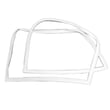
- Confirm the door is closing and sealing; a leak can cause frost and warm temps.
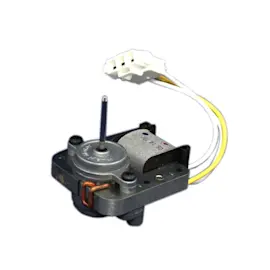
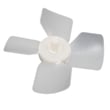
- Listen for the evaporator fan; no airflow often points to a fan or defrost issue.
- Look for a solid frost blanket on the back wall; that often indicates a defrost failure.
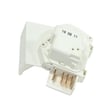
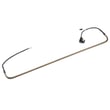
- If you suspect a defrost issue, common parts include the defrost timer 5304518034, defrost heater, and defrost thermostat.
Common symptoms and likely next step
| Symptom | What it usually points to | What to do next |
|---|---|---|
| Alarm beeping, temps rising | Warm event or door left open | Silence alarm, check door seal, allow recovery time |
| Heavy frost, weak airflow | Defrost system problem | Inspect defrost components and airflow |
| Runs a lot, still warm | Air leak or sealed system issue | Check gasket, airflow, condenser cleanliness |
Why it matters
Using the right “reset” prevents food loss and avoids chasing the wrong fix. A power reset can clear a temporary control issue, but persistent warm temperatures or recurring frost usually means a component (defrost, fan, or door seal) needs attention.
Last updated: February 2026
How many cubic feet is a Kenmore model 25328272801 freezer?
The exact cubic-foot capacity for Kenmore model 25328272801 is listed on the model’s rating information (not on the cover pages shown in the guide excerpt). For most Kenmore 253-series upright freezers of this design, capacity is typically around 20 to 21 cu. ft.; confirm the exact number in the 25328272801 owner’s manual.
How to find the exact capacity for your freezer
We recommend using one of these quick checks:
- Look for the model/serial plate inside the cabinet (upright models are commonly on the upper left interior wall).
- Check the specifications section in the 25328272801 owner’s manual.
- If your freezer has a product data label, look for wording like “Capacity” or “Total volume”.
- If you are comparing similar models, match the full model number exactly (25328272801), not just “253.”
Typical capacity range (helpful for planning)
If you are estimating storage space before you locate the label, this is the common range for this style of Kenmore upright freezer:
| Freezer type | Typical capacity range | Best use |
|---|---|---|
| Upright freezer (full-size) | 17 to 21 cu. ft. | Easy organization, frequent access |
| Upright freezer (large) | 20 to 21 cu. ft. | Bulk storage with shelves/bins |
Why it matters
Capacity affects how you plan food storage, how full the freezer can be without blocking airflow, and how long it takes to recover temperature after door openings. Keeping shelves and air passages clear helps the evaporator fan and defrost system work efficiently.
Last updated: February 2026
How to clean coils on Kenmore upright freezer?
For Kenmore upright freezer model 25328272801, cleaning the condenser coils means safely removing dust and pet hair so the compressor can shed heat properly. We recommend unplugging the freezer first, then vacuuming and brushing the coil area until airflow is clear; confirm access steps in the 25328272801 owner's manual.
Before you start (safety and setup)
- Unplug the freezer to prevent electrical shock.
- Move food to another freezer or keep the door closed to hold temperature.
- Pull the freezer straight out to avoid damaging the floor and power cord.
- Use a soft coil brush and a vacuum with a crevice tool (avoid sharp tools).
- Keep water and cleaners away from electrical parts.
How to clean the coils (step-by-step)
- Unplug the freezer.
- Access the coil area (many upright freezers have coils underneath or on the back). If your model uses a base panel, remove it as shown in the 25328272801 owner's manual.
- Dry brush first to loosen packed lint and pet hair.
- Vacuum thoroughly along the full length of the coils and around the compressor area.
- Clean the floor under the unit, then reinstall any panel and plug the freezer back in.
- Allow several hours for temperatures to stabilize after moving the unit or extended door openings.
How often to clean coils
| Home situation | Recommended coil cleaning |
|---|---|
| Low dust, no pets | Every 6 to 12 months |
| Pets or dusty area | Every 3 to 6 months |
| Freezer in garage or basement | Every 3 to 6 months |
Signs the coils need cleaning
- Freezer runs longer than normal
- Cabinet feels unusually warm on the outside
- Poor freezing performance or temperature swings
- Compressor area is hot and airflow feels restricted
Why it matters
Dirty condenser coils trap heat, which forces the compressor to run longer. That increases energy use and can shorten the life of cooling components.
Last updated: February 2026
Where is the model number on a Kenmore upright freezer?
On Kenmore upright freezer model 25328272801, the model and serial number label is typically on the upper left wall inside the freezer compartment. This is the primary location used on upright models; check it before looking elsewhere.
Where to look first (fastest)
- Open the freezer door and look on the upper left interior wall
- Look for a serial plate or rating label with “Model” and “Serial”
- Use a flashlight; the print can be small or lightly stamped
- Wipe frost or residue off the label so the numbers are readable
If you do not see it there
On upright freezers, the label is usually inside, but it can be harder to spot if shelves or bins block your view. Try these common checks:
- Remove the top shelf or bin temporarily to improve visibility
- Check nearby interior surfaces around the top section (still inside the cabinet)
- If the interior label is damaged, use the information in the 25328272801 owner's manual to confirm where the serial plate is described and how it is formatted
What the label looks like
Most Kenmore freezer labels include these fields:
- Model number (often starts with 253. on many Kenmore-built-by-Frigidaire units)
- Serial number
- Electrical ratings (volts/amps)
- Manufacturing information
| What you need | Why you need it | Where it appears |
|---|---|---|
| Model number | Ensures you get the right parts diagrams and fit | On the serial plate/rating label |
| Serial number | Helps match production changes and revisions | On the same label as the model |
| Purchase date (your record) | Useful for service history | Not always on the label |
Why it matters
Using the exact model number (and ideally the serial number) prevents ordering the wrong Kenmore freezer parts like a defrost timer, door gasket, or electronic control board for a similar looking unit.
Last updated: February 2026
Why does my upright freezer ice up at the bottom?
Ice at the bottom of your Kenmore 25328272801 upright freezer usually happens when warm, humid air leaks in (door not sealing or door not closing squarely) or when defrost water cannot drain and refreezes on the freezer floor. Both issues create moisture that turns into ice.
Quick checks we recommend first
- Make sure the freezer is level; an unlevel cabinet can misalign the door so it does not seal consistently.
- Confirm the door closes easily and stays closed; avoid overloading shelves so packages do not hold the door open.
- Look for frost patterns: heavy frost near the door opening points to an air leak.
- Check the floor drain plug; if it is missing or left open after defrosting, warm air can enter and create moisture.
- If you recently defrosted, verify the drain plug was reinstalled fully.
Clear a blocked drain (common cause of bottom ice)
If your model has a defrost drain, a partial blockage can keep meltwater from leaving the cabinet.
- Unplug the freezer.
- Remove food from the bottom area.
- Pull out the internal drain plug on the freezer floor and let ice melt.
- If your unit has a base panel, remove it to access the external drain tube and place a shallow pan underneath.
- After draining, reinstall the drain plug completely.
For the exact drain location and access steps, follow the 25328272801 owner's manual.
Door seal and airflow tips that prevent repeat icing
- Wipe the door gasket and cabinet sealing surface clean and dry.
- Avoid lining shelves with foil, wax paper, or paper towels; liners restrict cold-air circulation and can increase frost.
- Cool hot foods to room temperature before loading; excess moisture increases frost.
- Minimize long door openings; organize items so you can grab what you need quickly.
What the symptoms usually mean
| What you notice | Most likely cause | What to do |
|---|---|---|
| Ice sheet only on the bottom | Drain not draining fully | Defrost and clear drain; reinstall drain plug |
| Frost around door opening and corners | Door not sealing or door misaligned | Level cabinet; check gasket contact |
| Frost builds quickly after loading warm/unwrapped food | Excess moisture introduced | Cool and wrap food; reduce door-open time |
Why it matters
Bottom ice can block airflow and make the compressor run longer, which can lead to warmer temperatures and more frost buildup over time.
Last updated: February 2026
Why is my Kenmore upright freezer not freezing?
If your Kenmore upright freezer model 25328272801 is not freezing, the most common causes are a temperature control setting issue, poor airflow or a door that is not sealing, or a defrost system problem that leaves the evaporator packed in frost. Use the checks in the 25328272801 owner's manual to narrow it down fast.
Quick checks we recommend first
- Confirm the temperature control is not set to OFF; if it is electronic, adjust warmer/colder and wait several hours for temperatures to stabilize.
- Make sure the door closes easily and seals all the way; a slightly open door can stop proper cooling.
- Check for blocked airflow; do not line shelves with foil, wax paper, or paper towels because it restricts circulation.
- Avoid overloading with warm food; let hot foods cool to room temperature before loading.
- Verify the freezer has enough space around it for air circulation, especially in hot rooms.
What to check based on the symptom
| What you notice | Most likely area | What we do next |
|---|---|---|
| Freezer is running but still warm | Airflow, door seal, frost buildup | Inspect for heavy frost on the back wall; check door closing and shelf liners |
| Freezer is not running at all | Power, control setting, control board | Check outlet/breaker and confirm control is not OFF |
| Heavy frost, weak airflow | Defrost system | Test/replace defrost components such as the defrost timer 5304518034, defrost heater, or defrost thermostat |
Defrost system issues that stop freezing
On this style of upright freezer, a failed defrost component can cause frost to build up and block airflow across the evaporator, so the cabinet warms even if the compressor runs.
Common parts involved on model 25328272801 include:
- Defrost timer 5304518034 (controls defrost cycles on many versions)
- Defrost heater (melts frost off the evaporator)
- Defrost thermostat (senses evaporator temperature during defrost)
Why it matters
When airflow is restricted or the door does not seal, the freezer runs longer, temperatures rise, and food quality drops quickly. Catching a door-seal or defrost problem early also helps prevent excessive frost and moisture issues.
Last updated: February 2026
Why is my upright freezer leaking water on the floor?
Water on the floor around your Kenmore 25328272801 upright freezer almost always comes from defrost water that cannot drain correctly (a frozen or blocked drain path) or from warm, moist air leaking in around a door that is not sealing, which creates excess frost and meltwater. See the defrost drain and leveling steps in the 25328272801 owner's manual.
Most common causes (and what to check first)
- Drain plug left out after defrosting: Warm air enters and creates moisture that later melts.
- Ice blocking the internal drain opening: Meltwater backs up and spills out.
- External drain tube not routed to a pan or drain: Water ends up on the floor during defrost.
- Freezer not level: The door may not close or seal properly, leading to frost and moisture problems.
- Door gasket not sealing: Warm air infiltration increases frost, then water appears when it melts.
Quick fix: clear and manage defrost water
- Unplug the freezer before any defrost or drain work.
- Remove food and leave the door open to melt frost.
- Pull the drain plug from the inside floor (upright models with a defrost drain).
- If your unit has a base panel, remove it and locate the external drain tube; place a shallow pan under it.
- When finished, reinstall the drain plug so warm air does not enter.
Leveling and door seal checks
A freezer that is not level can misalign the door and cause sealing issues.
- Confirm all bottom corners sit firmly on a solid floor.
- Adjust the front leveling feet so the cabinet is stable.
- Close the door on a thin strip of paper; resistance should feel consistent around the perimeter.
| Symptom | Most likely source | Best next step |
|---|---|---|
| Water appears after manual defrost | Drain plug/tube setup | Reinstall plug; route tube to pan/drain |
| Water plus heavy frost buildup | Door not sealing or not level | Level cabinet; check gasket seal |
| Water seems to start inside then run out | Drain opening iced/blocked | Fully defrost; clear drain path |
Why it matters
Standing water can damage flooring and usually signals a drain or sealing problem that also hurts cooling efficiency and increases frost buildup.
Last updated: February 2026