Owner’s manual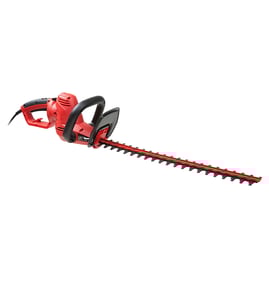

What is the best hedge trimmer?
The best hedge trimmer is the one that matches your cutting workload, hedge size, and comfort needs. For a Craftsman hedge trimmer like model 315CR2000, we recommend choosing based on power source, blade length, and safety features; then confirm operating and maintenance details in the 315CR2000 owner's manual.
How to choose the “best” hedge trimmer for your yard
Use these factors to narrow it down quickly:
- Power source: corded electric (steady power), cordless battery (mobility), gas (heavy-duty runtime)
- Blade length: longer blades cover more hedge per pass; shorter blades give better control for shaping
- Cut capacity: thicker branches need higher cut capacity; forcing thick cuts dulls blades fast
- Weight and balance: lighter tools reduce fatigue on long runs and overhead trimming
- Handle design: rotating or multi-position handles improve control on vertical faces and tops
- Vibration and noise: lower vibration is easier on hands; quieter tools are better for neighborhoods
Quick comparison: which type fits most jobs?
| Type | Best for | Tradeoffs |
|---|---|---|
| Corded electric | Small to medium hedges near an outlet | Extension cord management, limited range |
| Cordless battery | Most homeowners, mixed trimming around the yard | Battery runtime and recharge planning |
| Gas | Large properties, thick growth, long sessions | More maintenance, higher noise, heavier |
What “best” means in real use (why it matters)
A trimmer that is too small for your hedge forces you to push the tool, which increases kickback risk, overheats the motor, and dulls blades sooner. A trimmer that is too heavy or awkward leads to poor control and uneven cuts, especially on tall hedges.
Setup and maintenance tips that improve results
- Keep blades clean and lightly lubricated to reduce drag and improve cut quality
- Trim when growth is dry for cleaner cuts and less clogging
- Use the right technique: sweep smoothly; do not twist the blade through thick branches
- Inspect the cord, battery contacts, or fuel system before each session (depending on type)
- Follow the safety and adjustment steps in the 315CR2000 owner's manual
Buying parts and accessories
If you are maintaining your Craftsman 315CR2000, start with the model-specific parts list for the correct fit. If you are searching by model number across categories, use Sears PartsDirect.
Last updated: February 2026
Which is better, a 20V or 40V hedge trimmer?
A 20V hedge trimmer is usually better for lighter, quick trimming because it’s lighter and easier to control; a 40V hedge trimmer is usually better for longer sessions and thicker growth because it delivers more cutting power and runtime. For your Craftsman 315CR2000, confirm the correct power type and operating limits in the 315CR2000 owner's manual.
How to choose the right voltage for your yard
- Choose 20V for small shrubs, routine shaping, and overhead work where weight matters.
- Choose 40V for larger hedges, denser growth, and longer continuous trimming.
- Prioritize blade length and tooth gap as much as voltage; these often determine what branch thickness you can cut cleanly.
- Match battery platform to your tools; staying on one battery system can save money over time.
- Plan for runtime; higher voltage systems typically maintain speed better under load.
20V vs 40V: practical comparison
| Feature | 20V cordless hedge trimmer | 40V cordless hedge trimmer |
|---|---|---|
| Weight and handling | Lighter; easier for detail work | Heavier; steadier for long cuts |
| Power under load | Good for light to moderate growth | Better for thick, dense hedges |
| Typical runtime | Shorter to moderate | Moderate to longer |
| Best use case | Maintenance trimming | Heavy-duty trimming |
| Cost (tool + battery) | Usually lower | Usually higher |
What matters more than voltage (most of the time)
- Blade sharpness: dull blades make any trimmer feel weak and can tear branches.
- Cutting technique: let the blade do the work; forcing the cut drains batteries fast.
- Branch size: if you routinely cut thicker stems, you’ll benefit from more power.
- Battery condition: older packs sag under load and reduce cutting speed.
Why it matters
Choosing the right voltage helps you avoid stalled blades, ragged cuts, and fatigue. A lighter 20V tool can be “better” if it keeps you in control; a 40V tool can be “better” if it finishes big jobs without constant recharging.
Parts and support
We list model-specific replacement parts and diagrams for the Craftsman 315CR2000 on the model page; if you’re shopping more broadly by model number or category, search Sears PartsDirect.
Last updated: February 2026
What is the difference between a hedge trimmer and a hedge cutter?
A hedge trimmer (like the Craftsman 315CR2000) is typically designed for routine hedge shaping and light pruning, while a hedge cutter is a heavier-duty tool built to power through thicker, woodier growth. In everyday use, people often use the terms interchangeably, but “cutter” usually implies more capacity and a more aggressive cut.
How they differ in real-world use
- Job type: Trimmers are best for shaping and maintenance; cutters are better for renovation and heavy cutback.
- Cut capacity: Trimmers usually handle smaller stems; cutters are intended for thicker branches.
- Blade design: Cutters often have larger tooth spacing and a more robust blade bar.
- Tool size and fatigue: Trimmers are commonly lighter and easier to control for long sessions.
- Power source: Both can be corded electric, battery, or gas; cutters are more often higher-output.
Quick comparison
| Feature | Hedge trimmer | Hedge cutter |
|---|---|---|
| Best for | Shaping, smoothing, routine trimming | Heavy pruning, overgrown hedges |
| Typical branch size | Small stems and new growth | Thicker, woody stems |
| Feel in hand | Lighter, more maneuverable | Heavier, more forceful |
| Risk of bogging down | Lower on light growth | Lower on thick growth |
Why it matters
Using the right tool helps you get cleaner cuts and reduces strain on the motor, blade bar, and gears. If you routinely push a lighter hedge trimmer into thick branches, you can dull blades faster and increase wear on internal drive components.
Tips to get better results with your Craftsman 315CR2000
- Let the blade do the work; do not force it into thick branches.
- Cut in passes (top first, then sides) to avoid binding.
- Keep the blade clean and lightly lubricated to reduce friction.
- Inspect the cord (if corded) or battery contacts (if cordless) before each use.
- Use hand pruners or loppers for thick stems, then finish with the trimmer.
For model-specific operating and safety guidance, use the 315CR2000 owner's manual. For replacement parts and diagrams for your Craftsman hedge trimmer, start with the model parts list or search by model number on Sears PartsDirect.
Last updated: February 2026
Is a 20V hedge trimmer powerful enough?
Yes. For typical homeowner trimming and shaping, a 20V hedge trimmer is powerful enough to maintain most hedges and shrubs, especially when you cut only fresh growth and stay within the tool’s rated cutting capacity. For thicker, woody stems and long sessions, higher-voltage platforms usually deliver more torque and runtime.
What you can expect from a 20V trimmer
Most 20V cordless hedge trimmers are designed for routine yard maintenance, not heavy brush clearing.
- Best for regular hedge shaping and light-to-medium density shrubs
- Works best when blades are sharp and properly lubricated
- Cuts cleaner when you avoid forcing the blades through thick, dry wood
- Runtime depends heavily on battery amp-hour (Ah) rating and how dense the hedge is
- Performance drops when the battery is cold, old, or not fully charged
When 20V is the right choice vs. when to size up
Use this quick comparison to match the tool to the job.
| Job type | 20V hedge trimmer | Higher voltage platform (typically 40V+) |
|---|---|---|
| Weekly or biweekly shaping | Great fit | Often more than you need |
| Overgrown hedges with thicker stems | May bog down | Better torque and speed under load |
| Long trimming sessions | May need extra batteries | Longer runtime per battery |
| Weight and maneuverability | Usually lighter | Often heavier |
Tips to get the most power from your Craftsman 315CR2000
These steps help any hedge trimmer cut faster and reduce stalling.
- Let the blades do the work; don’t twist or pry branches
- Trim in passes: take off a little at a time instead of trying to cut deep in one pass
- Keep the blade teeth clean; sap and debris increase drag
- Lubricate the blades before and after use (light oil is typically sufficient)
- If the trimmer has a jam or stops, power it off before clearing debris
Why it matters
Choosing the right voltage helps you avoid stalled blades, ragged cuts, and premature wear. For most residential hedges, 20V hits the sweet spot of power, control, and lighter weight; for neglected, woody growth, more voltage and battery capacity usually saves time.
For model-specific operating limits and maintenance guidance, use the 315CR2000 owner's manual. If you need to look up parts by model number, search on Sears PartsDirect.
Last updated: February 2026
Is it worth repairing a hedge trimmer?
Yes, repairing a Craftsman 315CR2000 hedge trimmer is usually worth it when the problem is a wear item (dull blades, loose hardware, damaged cord, or a simple switch issue) and the tool is otherwise in good shape; it is less worth it when the motor is failing, the housing is cracked, or repair costs approach the price of a replacement.
Quick decision checklist
- Repair it if it ran well recently and the issue started suddenly (no start, intermittent power, poor cutting).
- Repair it if the fix is basic maintenance: cleaning, blade sharpening, tightening fasteners, cord inspection.
- Repair it if the blades move but cutting is ragged (often blade condition or blade alignment).
- Replace it if it smells like burning, trips breakers repeatedly, or has heavy sparking at the motor.
- Replace it if vibration is severe even after tightening hardware and confirming blade straightness.
- Replace it if the cost of parts plus labor is close to a new trimmer.
Common symptoms and what they usually mean
| Symptom | Most common cause | Typical next step |
|---|---|---|
| Won’t start | Power supply issue, switch, cord damage | Inspect cord, test switch continuity, check outlet/GFCI |
| Runs but won’t cut well | Dull or nicked blades, sap buildup | Clean blades, sharpen, lightly lubricate |
| Loud noise or vibration | Loose fasteners, bent blade, worn drive components | Tighten, inspect blade straightness, service if internal |
| Stops under load | Dull blades, binding from debris, electrical issue | Clean, sharpen, reduce branch size, check wiring |
What we recommend before you decide
1) Do the maintenance that changes everything
- Unplug the trimmer.
- Clean sap and debris from the cutter bar.
- Sharpen the cutting edges (light passes, keep the factory angle).
- Deburr and wipe clean.
- Apply a light coat of lubricant to the blades.
2) Do a basic electrical check (corded models)
If your 315CR2000 is corded, a damaged extension cord, nicked power cord, or failing switch can mimic a “bad motor.” Use a meter to check continuity and look for heat damage at plugs.
Why it matters
A hedge trimmer that is dull or binding forces the motor to work harder, which increases heat, vibration, and wear. Simple blade care often restores performance and helps the motor last longer.
Parts and documentation
We use the 315CR2000 owner's manual for model-specific safety steps, maintenance guidance, and any diagrams. If you need to locate parts by model number or compare options, search by model on Sears PartsDirect.
Last updated: February 2026