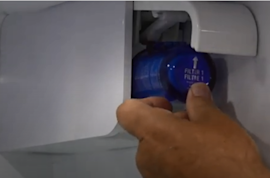
Owner’s manual
 View engine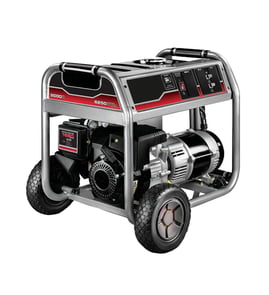




What is the 20/20/20 rule for generators?
The 20/20/20 rule is a simple generator safety checklist: keep your Craftsman CMXGGAS030731 generator at least 20 feet from your home, let it cool for 20 minutes before refueling, and use a CO alarm (often around $20) to help detect carbon monoxide early.
What each “20” means (and how to apply it)
- 20 feet away: Run the generator outdoors, at least 20 feet from doors, windows, vents, and garage openings; aim the exhaust away from the house.
- 20-minute cooldown: Shut the engine off and wait before adding gasoline; this reduces the chance of fuel igniting on hot engine parts.
- $20 CO alarm: Use a battery-operated carbon monoxide alarm in the home (and replace batteries as needed).
Quick safety checklist before you start
- Place the generator on a dry, level surface outdoors.
- Keep it away from rain and standing water; use only a generator-rated cover if needed.
- Use heavy-duty outdoor extension cords rated for the load.
- Do not backfeed power into a home outlet; use a proper transfer switch/inlet setup.
- Keep fuel containers sealed and stored away from ignition sources.
Why it matters
Portable generators produce carbon monoxide, an odorless gas that can build up quickly if exhaust drifts indoors. The distance, cooldown time, and CO alarm work together to reduce CO exposure and fire risk.
Helpful reference table
| Rule step | What you do | Risk reduced |
|---|---|---|
| 20 feet | Run outdoors, far from openings | Carbon monoxide entering the home |
| 20 minutes | Cool down before refueling | Fire from spilled fuel on hot parts |
| $20 alarm | Use a battery CO alarm | Delayed warning of CO buildup |
Where to confirm model-specific safety notes
For the Craftsman CMXGGAS030731, follow the placement, fueling, and operating instructions in the CMXGGAS030731 owner’s manual.
Last updated: February 2026
Can a 6250 watt generator run a house?
A 6,250-watt generator like the Craftsman CMXGGAS030731 can power key household circuits, but it typically will not run an entire home like normal utility service. We recommend prioritizing essentials (refrigerator, some lights, furnace blower) and managing start-up surges using the wattage guidance in the CMXGGAS030731 owner's manual.
What a 6,250-watt generator can usually handle
Most homes use far more than 6,250 watts when everything is on, but you can run a “critical loads” setup by choosing a few circuits.
Common loads to prioritize:
- Refrigerator or freezer (plus start-up surge)
- Sump pump or well pump (often high surge)
- Furnace blower (gas/propane heat) or boiler controls
- A few lighting circuits (LED preferred)
- Router/TV/phone chargers
How to size your load (running watts vs. starting watts)
Many motors need extra power for a few seconds at startup. Plan your total so the generator can handle both:
| Load type | What to add up | Why it matters |
|---|---|---|
| Resistive (lights, toaster) | Running watts | Usually steady draw |
| Motor/compressor (fridge, pump) | Running + starting surge | Prevents bogging/stalling |
| Electronics | Running watts (use surge protection) | Helps avoid nuisance trips |
Quick checklist before you connect anything
- Add up running watts for everything you want on at once.
- Identify the largest starting surge item (often a pump or refrigerator).
- Keep a buffer (about 10% to 20%) so the generator is not constantly maxed out.
- Use heavy-duty outdoor-rated cords; avoid undersized extension cords.
- If you are powering home circuits, use a properly installed transfer switch or interlock.
Why it matters
Overloading a portable generator can cause voltage drop, breaker trips, hard starting, and poor performance on sensitive electronics. Planning your “must-run” circuits helps you get reliable backup power from the CMXGGAS030731 without stressing the engine or alternator.
Last updated: February 2026
Are Craftsman generators good?
Craftsman generators, including the Craftsman CMXGGAS030731, are a solid choice for many homeowners who want dependable backup power at a more affordable price than premium brands. Overall performance is typically strong for powering essentials, and long-term satisfaction depends most on correct setup, routine maintenance, and using the generator within its rated load (see the CMXGGAS030731 owner's manual).
What “good” usually means for a portable generator
When customers ask if a generator is good, we look at a few practical factors:
- Starts reliably (especially after storage)
- Holds stable output for common household loads
- Runs without fuel leaks and without frequent stalling
- Has serviceable parts support (switches, fuel lines, outlets, hardware)
- Noise and vibration are acceptable for the job
Strengths we commonly see with Craftsman generators
Craftsman portable generators are often a good fit when you need occasional outage power.
| What you want | What to expect | Best use case |
|---|---|---|
| Value for the money | Strong watt-per-dollar | Emergency backup, jobsite use |
| Easy operation | Straightforward controls | First-time generator owners |
| Parts availability | Many wear items are replaceable | DIY maintenance and repairs |
Common drawbacks (and how to avoid them)
Most “bad generator” experiences come from fuel, storage, or overload issues. These steps prevent the majority of problems:
- Do not store fuel in the carburetor; run it dry before long storage
- Use fresh gasoline and keep the tank clean
- Do not exceed rated running watts; start large loads one at a time
- Check oil level every use; low oil can cause shutdowns
- Inspect wiring and outlets if you lose power output
If your unit will not shut off or will not start due to a control issue, the briggs & stratton generator engine switch 312684GS is one of the model-related parts we see replaced.
Why it matters
A generator can seem “unreliable” when it is actually being asked to do too much (overload) or when old fuel causes hard starting and surging. Keeping the CMXGGAS030731 maintained and correctly loaded protects the alternator, receptacles, and engine components.
Last updated: February 2026
How much is a Craftsman CMXGGAS030731 5000-watt generator?
Pricing for the Craftsman CMXGGAS030731 5000-watt portable generator varies by retailer, condition (new vs. used), and what is included (wheel kit, accessories, warranty). For a realistic current price range and the exact configuration details, we recommend checking the CMXGGAS030731 owner’s manual and then comparing listings from major retailers.
Typical price ranges you will see
Most 5000-watt class portable generators like the Craftsman CMXGGAS030731 commonly fall into these ranges:
- New (in-box): typically $450 to $800
- Used (good working condition): typically $250 to $550
- Refurbished: typically $350 to $650
What changes the price the most
When you compare prices, focus on these factors because they drive big swings:
- Running vs. starting watts (some listings highlight one number more than the other)
- Engine hours and maintenance history (oil changes, storage, fuel stabilizer use)
- Condition of the fuel system (stale fuel can mean carburetor and fuel line work)
- Included mobility hardware (wheels, axle rod, handles)
- Electrical output condition (receptacles tight, no heat damage, stable voltage)
Quick checklist before you buy (or price yours)
Use this as a fast evaluation list:
- Verify the model number CMXGGAS030731 on the data label
- Confirm it starts easily and runs smoothly under load
- Check receptacles for looseness or discoloration (a common sign of overheating)
- Inspect fuel lines for cracking; a replacement like the fuel line kit 791745 is often needed on older units
- Confirm the engine switch works reliably; the generator engine switch 312684GS is a common fix when a unit will not shut off or will not start
Price comparison guide
| Listing type | Best for | What to verify |
|---|---|---|
| New | Maximum reliability | Warranty, return policy, included accessories |
| Used | Lowest cost | Load test, hours, fuel system condition |
| Refurbished | Middle ground | What was replaced, who did the work |
Why it matters
A generator that looks like a bargain can cost more after purchase if it needs fuel system cleanup, electrical repairs, or missing hardware. Confirming the exact CMXGGAS030731 specs and controls in the manual helps you compare apples to apples and avoid surprise repair costs.
Last updated: February 2026