
What to do when a wall heater is not working?
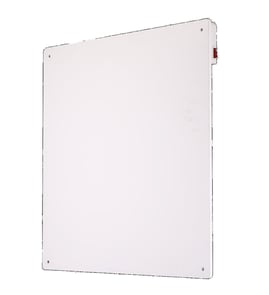
If your Williams wall furnace model 400DVX-R is not working, start by confirming it has power (or gas supply, if applicable), the thermostat is calling for heat, and any safety shutoffs are reset. Then check for a blown fuse, tripped breaker, loose wiring, or a failed control component.
Quick checks to do first
- Set the thermostat well above room temperature and wait 3 to 5 minutes.
- Verify the unit’s power switch (if equipped) is on.
- Check the home electrical panel for a tripped breaker or blown fuse.
- If it’s a gas wall heater, confirm the gas shutoff valve is fully open.
- Make sure the front grille and air openings are not blocked by dust, rugs, or furniture.
Step-by-step troubleshooting (safe, practical order)
- Power and call for heat: Confirm the thermostat has power and is set to heat.
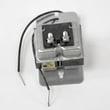
- Inspect wiring: Look for loose spade connectors, burnt terminals, or damaged insulation.
- Check safety devices: Many wall heaters use a high-limit switch or rollout-type safety; if it trips repeatedly, stop and have the heater serviced.
- Test electrical parts: Use a multimeter to check continuity on suspect switches and controls.
- Look for airflow or venting issues: Restricted airflow can cause overheating and shutdown.
Multimeter tests that help pinpoint the failure
Use these guides to test safely and correctly:
| Symptom | Most common cause | What to check next |
|---|---|---|
| No response at all | No power | Breaker, fuse, wiring connections |
| Fan runs but no heat | Control or heat circuit issue | Thermostat signal, limit switch, wiring |
| Starts then shuts off | Overheat or safety trip | Airflow blockage, dirty passages, limit switch |
| Intermittent operation | Loose connection | Terminals, wire damage, vibration points |
Why it matters
A wall heater that will not run is often a simple power or thermostat issue, but repeated shutdowns can indicate overheating or a safety device opening. Addressing airflow, wiring integrity, and basic electrical checks helps restore heat and prevents repeat failures.
Last updated: February 2026
How long does a Williams wall heater last?
A Williams wall heater like model 400DVX-R typically lasts 15 to 20 years. With clean combustion air, correct gas pressure, and regular safety checks (burner, pilot/ignition, and venting), many wall furnaces run reliably beyond that range.
Typical lifespan (what to expect)
Most Williams wall furnaces fall into these real-world ranges:
| Condition | Typical service life | What usually limits life |
|---|---|---|
| Light use, kept clean, venting stays clear | 20+ years | Wear on gas valve, heat exchanger aging |
| Average use, basic upkeep | 15 to 20 years | Dust buildup, ignition/pilot issues |
| Heavy use, poor airflow or venting problems | 10 to 15 years | Overheating, corrosion, repeated shutdowns |
Signs your wall heater is near end of life
If you see these patterns, plan for repair or replacement decisions:
- Frequent pilot outages or ignition failures
- Burner flames that look unstable (lifting, wavering, or uneven)
- Sooting around the burner area or grille
- Repeated cycling on and off (short cycling)
- Unusual odors during operation that do not clear quickly
- Rising heating costs with the same thermostat settings
Maintenance that extends life
These steps help a 400DVX-R style wall furnace last longer and run safer:
- Keep the front grille and surrounding area free of dust, lint, and pet hair
- Maintain clear airflow; do not block the heater with furniture or rugs
- Have venting inspected so exhaust can flow freely
- Verify the thermostat is accurate and not causing rapid cycling
- Inspect wiring connections and insulation for heat damage
For basic DIY electrical checks (when the heater is powered off), we use guidance like how to use a multimeter to test electrical parts video.
Why it matters
Wall heaters are combustion appliances; when airflow, venting, or ignition gets unreliable, performance drops and safety risks increase. Staying ahead of wear items and keeping the unit clean is the simplest way to reach the full 15 to 20 year lifespan.
Last updated: February 2026
Why does the pilot light keep going out on my wall heater?
On a Williams wall furnace model 400DVX-R, a pilot light that won’t stay lit is usually caused by a weak or dirty flame signal (thermocouple/thermopile), a pilot/ODS opening that’s partially clogged, or a draft or low gas supply that keeps the pilot from heating the safety sensor consistently.
Most common causes (and what to check first)
- Dirty pilot assembly: Dust, lint, or soot can restrict the pilot flame so it no longer engulfs the sensor.
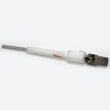
- Failing thermocouple or thermopile: If the sensor can’t generate enough signal, the gas valve closes and the pilot drops out.
- Drafts or negative pressure: A nearby exhaust fan, return air, or a loose front panel can pull the pilot flame off the sensor.
- Low gas pressure or supply issue: Other gas appliances running can expose a marginal supply or regulator problem.
- Loose/oxidized connections: A loose thermocouple nut at the gas valve or corroded wiring (on millivolt systems) can interrupt the signal.
Quick troubleshooting steps (safe, practical checks)
- Watch the pilot flame: It should be steady and strong, and it should directly heat the thermocouple/thermopile tip.
- Clean the pilot area (heater off and cool): Gently vacuum around the burner and pilot area; avoid enlarging the pilot orifice.
- Eliminate drafts: Turn off nearby bath/kitchen fans and close doors briefly to see if the pilot stabilizes.
- Check the sensor connection: Make sure the thermocouple connection at the gas valve is snug (not over-tightened).
- Test the sensor output: If your heater uses a thermopile/millivolt system, a multimeter test helps confirm a weak generator.
For basic meter technique, use our how to use a multimeter to test electrical parts video.
What you’ll typically see (symptom-to-cause guide)
| What happens | Most likely cause | What usually fixes it |
|---|---|---|
| Pilot lights, then drops when you release the knob | Weak thermocouple/thermopile or poor flame contact | Clean pilot; replace sensor if weak |
| Pilot stays lit until a fan/door changes airflow | Draft/negative pressure | Reduce drafts; verify venting/airflow |
| Pilot flame is small/yellow and unstable | Dirty pilot orifice or low supply | Clean pilot; have gas supply checked |
Why it matters
The pilot safety circuit is designed to shut off gas if the pilot flame is not proven. Fixing the flame quality and the thermocouple/thermopile signal restores reliable heat and prevents nuisance shutdowns.
Last updated: February 2026
What are common furnace parts that fail?
On the Williams 400DVX-R wall furnace, the parts that most often cause “no heat” or short-cycling are the ignition components, safety sensors, and the blower-related parts (when equipped). Age, dust, and restricted airflow are the most common reasons these parts start acting up.
Most common wall furnace parts that fail
- Ignition system: pilot assembly or electronic igniter; problems show up as no ignition or delayed ignition.
- Thermostat and wiring: loose connections or a failing thermostat can prevent a heat call.
- Flame sensing and safety controls: flame sensor (if used), limit switch, rollout switch; these can shut the burner down if they detect unsafe conditions.
- Gas valve: can fail electrically or mechanically, leading to no gas flow to the burner.
- Blower motor and capacitor (if your unit uses a blower): can cause poor airflow, overheating, or shutdowns.
- Airflow restrictions: clogged return openings, blocked louvers, or heavy dust buildup can mimic a “bad part” by overheating the furnace.
Quick symptom-to-part checklist
| Symptom | Most likely areas to check | What it usually means |
|---|---|---|
| No heat at all | Thermostat, power, ignition, gas valve | No call for heat or ignition/gas not starting |
| Burner lights then shuts off | Flame sensing, limit/rollout switches, airflow | Safety shutdown from sensing or overheating |
| Short cycling | Limit switch, airflow, thermostat location | Furnace is overheating or thermostat is satisfied too fast |
| Weak heat output | Burner cleanliness, airflow path, blower (if equipped) | Heat is being made but not moving well |
Why it matters
Wall furnaces like the Williams 400DVX-R rely on safety switches to prevent overheating and flame rollout. When airflow is restricted or a sensor is weak, the furnace can shut down repeatedly, which increases wear on ignition parts and can reduce comfort.
Safe, practical first checks we recommend
- Set the thermostat to heat and raise the setpoint several degrees.
- Make sure the furnace has power (if applicable) and any service switch is on.
- Confirm louvers and airflow openings are not blocked by rugs, furniture, or dust.
- Watch the start-up sequence; note whether ignition happens and whether the burner stays lit.
- If you’re comfortable with basic electrical checks, use a meter to confirm voltage and continuity where appropriate.
For basic electrical troubleshooting skills that apply to many furnace controls, use our guides: how to use a multimeter to test electrical parts video and how to tell if a fuse is blown.
Last updated: February 2026
Where is the reset button on a wall heater?
Many wall heaters, including Williams wall furnaces like model 400DVX-R, do not have a single universal “reset button” you can count on finding in one exact spot. The reset function is usually part of an overheat safety device (a high-limit switch) that may be automatic-reset or manual-reset depending on the design.
What you are actually looking for
On a wall heater, “reset” typically refers to one of these components:
- High-limit switch: shuts the heater down if it overheats
- Flame rollout switch (gas units): trips if flame or heat leaves the burner area
- Thermal fuse/thermal cutoff: opens permanently if temperatures get too high
- Circuit breaker or fuse (power supply): protects the electrical circuit feeding the heater
How to check safely (gas wall furnace basics)
Use these steps to locate a manual-reset safety switch without assuming an exact location.
- Set the thermostat to OFF
- Let the heater cool at least 30 minutes
- Turn off power to the heater at the breaker (if your unit uses household power)
- Remove the front cover/grille to access the control area
- Look for a small switch with two wires and a tiny button in the center (manual reset)
- Press the button once firmly; then reinstall the cover before operating
Quick guide: what you will see
| What you see | What it usually means | Next step |
|---|---|---|
| Small button on a safety switch | Manual-reset safety device | Reset once; then find the overheating cause |
| No button on any safety switch | Automatic-reset limit or no manual reset | Focus on airflow, venting, and power checks |
| Melted/broken small device in wiring | Thermal fuse/cutoff opened | Replace the failed part and correct the cause |
Why it matters
If a safety device is tripping, the heater is overheating or drafting poorly. Clearing airflow restrictions, cleaning dust buildup, and confirming proper venting prevents repeat shutdowns and protects the heat exchanger and controls.
For safe prep before opening panels or checking electrical circuits, use: are diy appliance repairs safe.
Last updated: February 2026