Owner’s manual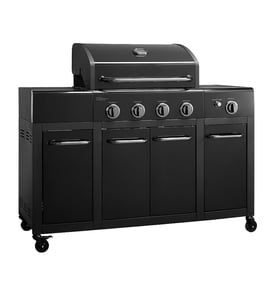

What is the average lifespan of a gas grill?
Most gas grills last about 5 to 15 years with normal use and basic maintenance. For a Kenmore gas grill model 14610038510, lifespan depends most on how often you grill, how well you clean grease and burners, and whether the grill is stored covered and dry (see the 14610038510 owner's manual for care guidance).
Typical lifespan by build and use
A grill’s “average” life is really a range. Here’s a practical way to think about it:
| Grill situation | Typical lifespan | What usually ends it |
|---|---|---|
| Light use, kept covered, cleaned regularly | 10 to 15 years | Firebox corrosion, burner wear |
| Moderate use, occasional cleaning | 7 to 10 years | Burner clogging, rusted heat plates |
| Heavy use, stored outdoors uncovered | 5 to 7 years | Severe rust, grease damage, warped parts |
What extends the life of a gas grill
We recommend focusing on the items that fail first: burners, ignition, and grease management.
- Clean the cook box and grease areas regularly to prevent flare-ups and corrosion.
- Brush grates after preheating; avoid letting grease bake on for months.
- Keep burner ports clear (spider webs and debris can restrict gas flow).
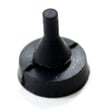
- Check for loose hardware and keep the grill level; replace worn feet such as the gas grill leveling leg 30400087 if the grill rocks.
- Store the grill covered and out of standing water; moisture is the fastest path to rust.
Quick “replace vs. repair” checklist
Use this to decide whether it’s worth investing in parts and time.
- Repair makes sense if the frame and firebox are solid and you have ignition or heating issues.
- Replace makes sense if the firebox is rusted through, the lid is badly warped, or the cart/frame is structurally unsafe.
- If the grill heats unevenly, start with cleaning and burner inspection before replacing parts.
Why it matters
A well-maintained grill heats more evenly, lights more reliably, and is less likely to have grease flare-ups. Small upkeep steps often add years of service life and keep cooking performance consistent.
Last updated: January 2026
Is it worth fixing a gas grill?
Yes, it’s usually worth fixing a Kenmore gas grill model 14610038510 when the problem is limited to common wear items (ignition, burners, hardware, shelves) and the firebox is still solid. Most repairs cost far less than replacing the entire grill; confirm safe operation using the 14610038510 owner's manual.
Quick decision checklist
- Fix it if it lights reliably (or needs basic ignition service), heats reasonably evenly, and the lid and firebox are not rusted through.
- Fix it if the issue is cosmetic or structural hardware (loose shelf, wobbly cart, missing retainers).
- Replace it if the firebox is cracked, heavily rusted through, or you smell gas that you cannot stop immediately.
- Replace it if multiple major systems are failing at once (burners, valves, regulator, and manifold).
- Fix it if you can restore safe ignition and stable flame with cleaning and a few parts.
Common “worth it” repairs for this model
These are typical low-cost, high-impact fixes that keep a grill safe and usable:
| Symptom | Likely cause | Typical fix |
|---|---|---|
| Grill wobbles or won’t sit level | Bent or missing leg/foot | Replace a leveling leg |
| Side shelf feels loose | Bracket hardware worn or missing | Replace shelf bracket or tighten fasteners |
| Match lighting is awkward or unsafe | Missing match holder hardware | Replace match holder retainer |
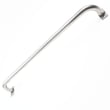
Model-matched examples include the gas grill leveling leg 30400087, gas grill side panel angle bracket 40900060, and gas grill match holder retainer 40800129.
Why it matters (safety and performance)
A grill that sits level, lights predictably, and has stable shelves reduces flare-up risk and helps you control heat. Small hardware parts can also prevent bigger problems, like a tipped grill or a hot lid handle area shifting unexpectedly.
Before you spend money: do these checks
- Perform a quick visual inspection for heavy rust-through on the firebox and lid.
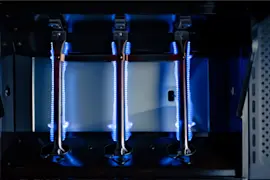
- Check for steady blue flames (yellow, lifting, or uneven flames often point to cleaning or burner issues).
- Confirm knobs turn smoothly and shut gas off fully.
- Clean grease buildup and burner ports; many “bad grill” symptoms are maintenance-related.
- Use a leak test any time you disturb gas connections (soap-and-water bubbles indicate a leak).
For maintenance and performance tips, we recommend how to fix uneven heating on a gas grill video.
Last updated: January 2026
Are Kenmore grills good quality?
Kenmore gas grills, including model 14610038510, are generally a solid mid-range choice when they’re assembled correctly and maintained regularly; most “quality” complaints come from ignition, burner, or heat-distribution issues that are usually repairable with routine cleaning and common replacement parts. See the 14610038510 owner's manual for the care schedule and safe operating basics.
What “good quality” means for a gas grill
A good-quality grill is one that lights reliably, heats evenly, and holds up to outdoor use with normal maintenance.
Key signs your Kenmore grill is performing like it should:
- Ignites consistently (no repeated clicking or long delays)
- Reaches and holds cooking temperature without constant knob adjustments
- Heats evenly across the cooking surface (no extreme hot or cold zones)
- Lid and firebox close squarely and feel stable
- Grease management is controlled (minimal flare-ups with normal cooking)
What affects durability the most
Even a well-built grill can feel “low quality” if a few wear items are neglected.
Most common quality drivers:
- Cleaning frequency (burners, heat tents, firebox, grease tray)
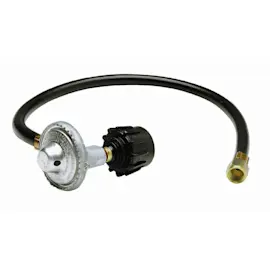
- Fuel supply health (LP tank level, regulator flow, valve operation)
- Storage (covered, kept dry, protected from salt air)
- Fastener tightness (cart and side shelf hardware)
Quick check: stability and fit
If the grill rocks or sits unevenly, correct the stance first. A simple hardware fix can make the whole grill feel sturdier.
| Symptom | Likely cause | Practical fix |
|---|---|---|
| Grill wobbles | Uneven patio or worn foot | Adjust/replace a leveling leg |
| Side shelf sags | Loose or bent bracket | Tighten hardware or replace bracket |
| Lid handle feels too hot | Missing/failed insulation | Inspect handle insulation plate |
If you need a model-matched hardware part, examples include the gas grill leveling leg 30400087 and the gas grill lid handle insulation plate 40700022.
Why it matters
When a grill is level, stable, and clean, it lights faster, cooks more evenly, and reduces flare-ups. That’s the difference between a grill that feels “cheap” and one that performs like a dependable Kenmore.
For performance tips that also help you judge heat control and results, use the secret to great grilling.
Last updated: January 2026