 Owner’s manual
 Error Codes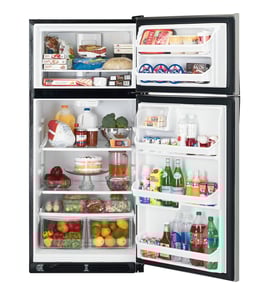



Can I replace fridge parts myself?
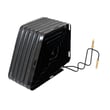
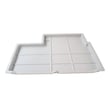
Yes, for the Winia WTE21GSSLD00 top-mount refrigerator, we recommend DIY replacement for many non-sealed-system parts (like shelves, bins, light covers, and some door hardware) as long as you unplug the refrigerator first and follow the steps in the WTE21GSSLD00 owner's manual. For sealed-system or refrigerant-related repairs, use a qualified service technician.
Good DIY repairs vs. repairs to leave to a pro
Many refrigerator issues are mechanical or access-panel level and are realistic for a careful DIYer; sealed-system work is not.
- Good DIY candidates
- Door gasket inspection and cleaning (and basic gasket adjustments)
- Interior light bulb or light cover replacement
- Shelves, drawers, and door bins
- Cleaning condenser area (if accessible) and removing dust buildup
- Clearing minor drain or defrost-water issues (basic cleaning)
- Leave these to a pro
- Compressor, evaporator, condenser, or any refrigerant-line repair
- Refrigerant charging or leak repair
- Control board diagnosis when wiring tests are required
- Any repair that involves cutting, brazing, or opening the sealed cooling system
Before you start: safety and prep checklist
- Unplug the refrigerator (or switch off the breaker) before removing panels or touching wiring.
- Protect floors; use a towel or shallow pan for meltwater if you are working near the freezer/defrost area.
- Take photos of wire connectors and screw locations as you disassemble.
- Keep food cold; use a cooler if the doors will be open for more than 15 to 20 minutes.
- Use the correct fastener type; overtightening can crack plastic liners and mounts.
Quick decision table
| Repair type | Typical tools | DIY difficulty | Notes |
|---|---|---|---|
| Shelves/bins/light cover | None to screwdriver | Easy | Low risk, mostly snap-in parts |
| Door seal care and alignment checks | Warm water, mild soap, screwdriver | Easy to moderate | Often fixes warm spots and sweating |
| Fan or sensor troubleshooting | Screwdriver, multimeter | Moderate | Unplug first; confirm symptoms before replacing parts |
| Sealed cooling system | Specialized | Not DIY | Requires certified handling and equipment |
Why it matters
DIY repairs on your WTE21GSSLD00 can restore cooling performance, reduce energy use, and prevent food spoilage, but attempting sealed-system work can create electrical and refrigerant hazards and usually costs more if mistakes happen.
Helpful DIY guidance
If your issue involves airflow or unusual fan noise, we use the steps in can i fix my own fridge to decide whether a repair is DIY-friendly.
Last updated: February 2026
What are the main 5 parts of a refrigerator?
The main 5 parts that make a refrigerator like the Winia WTE21GSSLD00 run are the compressor, condenser, expansion device, evaporator, and temperature control (thermostat or thermistor); together they move heat out of the cabinet to keep food cold. For model-specific component locations, use the WTE21GSSLD00 owner's manual.
The “core 5” parts and what each one does
- Compressor: pumps refrigerant through the sealed system (the “engine” of cooling).
- Condenser: releases heat to the room (often coils and a condenser fan near the back or bottom).
- Expansion device (capillary tube or valve): drops refrigerant pressure so it can get cold.
- Evaporator: absorbs heat inside the freezer section; this is where cooling is created.
- Temperature control (thermostat or thermistor plus control board): senses temperature and tells the system when to run.
Common supporting parts you will also hear about
These are not always counted in the “main 5,” but they are frequent causes of cooling complaints:
- Evaporator fan motor (moves cold air through freezer and fresh food sections)
- Defrost system (defrost heater, defrost thermostat, control/timer)
- Door gasket (keeps warm, humid air out)
- Air damper (controls airflow from freezer to refrigerator compartment)
- Condenser fan motor (on many designs, helps cool the condenser and compressor area)
Quick troubleshooting: symptom to likely area
| Symptom | Most likely system/part area | What to check first |
|---|---|---|
| Freezer cold, fridge warm | Evaporator fan, damper, frost buildup | Listen for fan, check vents for blockage |
| Not cooling at all | Compressor start components, controls, power | Confirm outlet power, settings, and airflow |
| Frost wall in freezer | Defrost system | Look for heavy ice on evaporator cover |
| Sweating around doors | Door gasket, alignment | Inspect gasket for gaps and tears |
Why it matters
Knowing the “core 5” helps you diagnose faster: most refrigerator failures trace back to airflow (fans, frost, gaskets) or temperature sensing, not the sealed system itself.
Last updated: February 2026
What are the most commonly replaced parts in a refrigerator?
In a Winia top-mount refrigerator like model WTE21GSSLD00, the most commonly replaced parts are the ones that wear out from daily use or get affected by airflow, frost, and door sealing. In most homes, that means door gaskets, fan motors, defrost parts, temperature sensors/controls, and (if equipped) water system parts.
Most common refrigerator parts that get replaced
- Door gasket (door seal): causes warm air leaks, frost buildup, and longer run times
- Evaporator fan motor: weak or noisy fan leads to poor cooling in the fresh food section
- Defrost system parts: defrost heater, defrost thermostat, defrost sensor, or defrost timer/control (frost blocks airflow)
- Thermistor or thermostat: incorrect temperature readings cause warm temps or freezing
- Control board: intermittent cooling, fan issues, or defrost problems tied to electronics
- Shelves, bins, and drawers: cracks and breaks from normal loading and cleaning
- Condenser fan motor (on many models): overheating symptoms and poor cooling
If your refrigerator has an ice maker or water dispenser
These parts are commonly replaced on water-connected refrigerators:
- Water inlet valve (no ice, slow fill, or no water flow)
- Water filter (slow dispensing, bad taste/odor, restricted flow)
- Water lines and fittings (leaks or air in the line)
Quick symptom-to-part guide
| Symptom | Most likely parts to check first | What you typically notice |
|---|---|---|
| Fridge warm, freezer cold | Evaporator fan motor, frost/defrost issue | Weak airflow from vents, fan noise changes |
| Heavy frost on freezer back wall | Defrost heater, defrost sensor/thermostat, control | Frost blanket, warmer fridge section |
| Water on floor | Drain system, water line/valve (if equipped) | Puddles near front or under unit |
| Doors not closing or sweating | Door gasket, leveling/hinges | Moisture, frost at edges, door pops open |
Why it matters
Replacing the right wear part early (especially a door gasket, fan motor, or defrost component) restores airflow and temperature stability. That helps protect food, reduces compressor run time, and can prevent secondary failures caused by overheating or ice blockage.
Helpful DIY references
- Use the WTE21GSSLD00 owner's manual to confirm your refrigerator’s features (water/ice equipped or not) and to follow model-specific access and safety steps.
- For airflow-related cooling problems, we recommend how to fix your evaporator cooling fan.
Last updated: February 2026





