Installation guide
 Owner’s manual



Is it hard to get Carrier parts?
For the Carrier 38TRA024 condensing unit, getting the right replacement part is usually straightforward when you match the exact model and the failed component; availability varies by part type and age of the system. We use your model number and the parts list to help you identify compatible items quickly.
What makes Carrier parts seem “hard to get”
Carrier systems often have multiple revisions and component options, so the challenge is usually correct identification, not the brand itself. Use the owner's manual to confirm the model and record the serial number before ordering.
Common reasons parts take longer:
- The unit has a series or revision change that affects fit
- The failed part is a specialty item (controls, panels, base components)
- A universal substitute is possible, but the specs must match exactly
- The system is older and some OEM parts are limited
- The part is available, but lead times vary by warehouse
Parts we commonly replace on model 38TRA024
These are typical “first check” items for no-cool or no-start complaints on a split-system outdoor unit:
| Symptom | Common suspect part | What we do next |
|---|---|---|
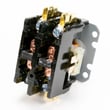
| Outdoor unit will not start | Contactor | Inspect for pitted contacts, buzzing, or no pull-in |
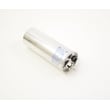
| Hums, struggles to start | Run capacitor | Verify capacitor rating and test with a meter |
| Hard starting compressor | Hard start kit | Confirm compressor condition and wiring |
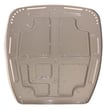
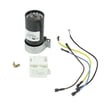
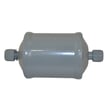
Model-matched examples from this page:
How we recommend you confirm the correct part
- Verify the model number is 38TRA024 (and note the serial number)
- Identify the failed component (contactor, capacitor, fan motor circuit, etc.)
- Compare electrical ratings (voltage, microfarads for capacitors) before ordering
- Use the wiring diagram and service information in the installation guide
- If wiring is damaged, repair it correctly before replacing parts
Why it matters
Ordering by brand alone can lead to wrong-fit parts. Matching by model number and component specs reduces downtime, prevents repeat failures, and helps protect major components like the compressor.
Last updated: February 2026
How much do AC spare parts usually cost?
AC spare parts for the Carrier 38TRA024 condensing unit range from a few dollars for small hardware to hundreds (or more) for major electrical and mechanical components. Your total repair cost depends on the exact part, whether it is in stock, and the labor needed to diagnose and install it; use the owner's manual to confirm the correct model and serial information before ordering.
Typical part cost ranges (parts only)
These are common price ranges for central air conditioner repairs; your exact cost depends on the specific component and capacity.
- Small items (grommets, fasteners, wire terminals): $3 to $25
- Electrical controls (contactors, relays): $25 to $150
- Capacitors (run/start): $20 to $100
- Fan motors: $150 to $600
- Control boards (on systems that use them): $150 to $700
- Major sealed-system parts (compressor, coils): $800 to $3,000+
Real examples from parts available for model 38TRA024
Here are a few parts we commonly see replaced on outdoor condensing units, with example pricing from the parts list for this model.
| Part type | Example part on this model | What it affects |
|---|---|---|
| Contactor | Contactor (part number HN51KB024) | Compressor and condenser fan power switching |
| Run capacitor | Capactr dual CAP050300440RSP | Starting and running the compressor and/or fan |
| Hard start kit | Central air conditioner compressor hard start kit KSAHS1501AAA | Helps a hard-starting compressor get moving |
| Vibration isolator | Grommet (part number KA56GR140) | Reduces vibration and noise |
What usually drives the total repair bill
Parts cost is only one piece of the total. These factors typically change the final number the most:
- Diagnosis time (electrical testing, refrigerant checks)
- Access and disassembly (tight installs take longer)
- Electrical condition (burnt wires, loose connections)
- Airflow and cleanliness (dirty coils and debris can mimic part failure)
- Whether the repair involves the sealed system (special tools and procedures)
Why it matters
The manual stresses that restricted airflow and poor maintenance can shorten system life and increase operating costs. Keeping filters clean, keeping the outdoor unit clear of debris, and having regular inspections helps you avoid repeat failures and unnecessary part replacements.
Last updated: February 2026
What is the average life of a Carrier air conditioner?
Most Carrier central air conditioners, including the 38TRA024 condensing unit, last 15 to 20 years. Lifespan depends most on airflow, correct thermostat use, and routine maintenance; the owner's manual explains that dirty filters, blocked registers, and restricted outdoor airflow shorten unit life.
Typical lifespan and what changes over time
Even when the system still cools, aging components can increase repairs and reduce efficiency.
| What you notice | What it often means | What to do next |
|---|---|---|
| More frequent service calls | Normal wear on electrical parts or motors | Have electrical components inspected and tested |
| Longer run times | Airflow restriction or dirty coils | Check filter, registers, and outdoor coil cleanliness |
| Hard starts or clicking | Start/run component wear | Have a technician test start components and controls |
What helps your 38TRA024 reach the high end of its lifespan
The manual calls out habits that protect the compressor and overall reliability:
- Keep a clean air filter installed in the indoor system; clogged filters raise operating cost and shorten life.
- Keep supply and return registers unblocked (furniture, drapes, toys can restrict airflow).
- Maintain unrestricted outdoor airflow; do not cover the unit or let debris build up.
- Keep at least 12 inches of clearance around the outdoor unit from tall grass, shrubs, and vines.
- Use the thermostat correctly; avoid controlling cooling by switching power ON/OFF.
- Avoid rapid thermostat changes; wait at least 5 minutes between adjustments to prevent rapid cycling.
Parts that commonly affect reliability
If the outdoor unit will not start, short-cycles, or struggles to start, these are common service items on many central AC systems:
- Capactr dual CAP050300440RSP (run capacitor that supports compressor and fan motor operation)
- Central air conditioner compressor hard start kit KSAHS1501AAA (used to address hard-start symptoms when properly diagnosed)
Why it matters
A central air conditioner is a system; restricted airflow and rapid cycling increase compressor stress. Protecting airflow and using the thermostat properly are the most consistent ways to extend service life and reduce breakdowns.
Last updated: February 2026
What AC parts are most commonly replaced?
For the Carrier 38TRA024 condensing unit, the most commonly replaced items are electrical start and run components (especially the run capacitor), plus add-on starting components and vibration isolators. These parts handle high current and heat, so they wear faster than the cabinet or base.
Most common replacements (and what they do)
- Dual run capacitor: Helps the compressor and condenser fan motor start and run efficiently.
- Compressor hard start kit: Provides extra starting torque when the compressor is slow to start.
- Grommet: Reduces vibration and prevents lines or wiring from rubbing on metal.
- Contactor: Switches high-voltage power to the outdoor unit when cooling is called.
- Wiring connections: Loose or heat-damaged terminals cause intermittent operation and repeat failures.
Model 38TRA024 parts that match these common failures
| Part category | What you may notice | Example part available for this model |
|---|---|---|
| Dual run capacitor | Humming, hard starting, fan or compressor not running | Capactr dual CAP050300440RSP |
| Hard start kit | Compressor struggles to start; breaker trips on startup | Central air conditioner compressor hard start kit KSAHS1501AAA |
| Vibration isolator | Excess vibration, rubbing noise, lines chafing | Grommet KA56GR140 |
Quick checks that prevent repeat failures
We follow these basics before and after replacing parts:
- Disconnect power to both the indoor and outdoor units; there may be more than one disconnect.
- Check the indoor air filter every 3 to 4 weeks; restricted airflow strains the compressor.
- Keep indoor and outdoor coils clean.
- Inspect electrical wiring and connections for looseness or heat damage.
- Schedule regular system inspection (preferably yearly, at least every other year).
Why it matters
A dirty filter and dirty coils increase load on the compressor and motors. That extra strain shortens the life of electrical parts like capacitors and can lead to expensive compressor problems. Maintenance intervals and safety steps are outlined in the owner's manual.
Last updated: February 2026