



How much does a 30 inch snowblower weigh?
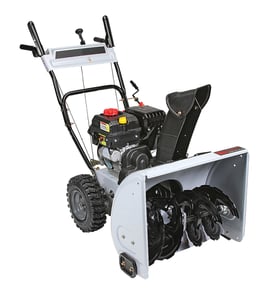
Most 30-inch, two-stage gas snowblowers weigh about 250 to 310 lb. For your MTD 31AS250-800 snow thrower, weight varies by engine size, steel thickness, and features (electric start, headlight, power steering), so use that range as a practical expectation.
Typical weight range (what to expect)
- Light-duty 30-inch two-stage: ~250 to 270 lb
- Mid-range 30-inch two-stage: ~270 to 295 lb
- Heavy-duty 30-inch two-stage: ~295 to 310+ lb
What changes the weight the most
- Engine displacement and starter system (recoil vs. electric start)
- Auger housing and frame material thickness
- Drive system features (differential, steering assist)
- Tire size and wheel hardware
- Added accessories (drift cutters, skid shoes, scraper bar type)
Quick comparison guide
| 30-inch snowblower type | Typical weight | Best for |
|---|---|---|
| Standard two-stage | 250 to 285 lb | Most driveways, moderate snowfall |
| Heavy-duty two-stage | 285 to 310+ lb | Wet snow, end-of-driveway plow berms |
| Three-stage (30-inch class) | 295 to 320+ lb | Deep snow, high-volume throwing |
Why it matters
Weight affects traction, ease of turning, and how well the machine stays planted when chewing through packed snow. Heavier units usually bite better and throw more consistently, but they are harder to maneuver and transport.
Practical tips for moving and handling
- Use the drive system to move it; avoid pushing with the engine off.
- Keep tire pressure even to prevent pulling to one side.
- If it feels hard to roll or self-propel, inspect the drive belt and idler system.
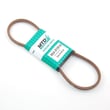
- When servicing belts, use a correct replacement such as the snowblower ground drive belt 754-0367 or snowblower auger drive belt 754-0101A when those match your symptom.
Last updated: February 2026
What is the life expectancy of a snowblower?
Most gas snowblowers like the MTD 31AS250-800 typically last 15 to 20 years with normal residential use and consistent maintenance; heavy use, poor storage, and skipped service shorten that lifespan.
Typical lifespan by snowblower type
| Snowblower type | Typical life expectancy | What usually ends it first |
|---|---|---|
| Gas, 2-stage | 15 to 20 years | Belts, friction drive parts, carburetor issues |
| Gas, single-stage | 10 to 15 years | Paddle wear, belt wear |
| Electric corded | 8 to 12 years | Switches, motor brushes (varies by design) |
| Battery electric | 5 to 10 years | Battery capacity loss |
What makes a snowblower last longer
We see the biggest lifespan gains from basic upkeep and replacing wear parts before they damage other components.
- Change engine oil on schedule and keep the oil at the correct level
- Use fresh fuel and stabilize fuel before storage
- Keep the auger and chute clear of packed snow and debris
- Lubricate moving points (wheels, auger shaft, and drive components)
- Replace worn belts promptly (auger and ground drive)
- Store it dry; touch up chipped paint to reduce rust on the housing
Wear parts that commonly affect performance
On the MTD 31AS250-800, these are common “age-related” items that can restore performance when the machine still has plenty of life left:
- Snowblower ground drive belt 754-0367 (loss of drive, slipping, slow movement)
- Snowblower auger drive belt 754-0101A (auger not pulling snow in, weak throwing)
- MTD snowblower scraper blade 731-1033 (poor scraping, leaving snow behind)
Why it matters
A snowblower often feels “worn out” when it really just needs routine service or a few key parts. Keeping belts tight, friction surfaces clean, and the engine maintained helps your MTD snow thrower start easier, throw farther, and drive consistently for many winters.
For step-by-step maintenance that directly supports longer life, use our DIY help like how to change snowblower oil video and how to replace a snowblower belt video.
Last updated: February 2026
How much oil does my MTD snowblower take?
Most MTD snow throwers like model 31AS250-800 take about 20 oz (0.6 L) of engine oil when you do a drain-and-refill; we fill to the dipstick mark (not a measured ounce amount) because the exact capacity varies by engine and how completely it drains.
How to check and fill oil correctly
- Park the snowblower on a level surface and let the engine cool.
- Remove the dipstick, wipe it clean, then reinstall it fully.
- Remove it again and read the level; add oil in small amounts.
- Stop when the oil reaches the FULL mark (do not overfill).
- If you accidentally overfill, drain a little oil and recheck.
What your “24 oz in, reads 22 oz” result usually means
It is common for the engine to not accept the full bottle amount you expect because some oil remains in the crankcase passages after draining, or the machine is slightly off-level during checking.
Quick interpretation
| What you see | Most likely cause | What to do |
|---|---|---|
| Dipstick reads full before the bottle is empty | Old oil still inside, or you did not fully drain | Trust the dipstick; stop filling |
| Oil level changes a lot between checks | Dipstick not seated the same way each time | Recheck with the dipstick installed the same way |
| Oil looks foamy or smells like gas | Overfilled or fuel contamination | Drain to correct level; service fuel issue |
Oil type (typical for this class of snowblower)
Most 4-cycle snowblower engines use SAE 5W-30 for cold-weather operation; synthetic 5W-30 is also commonly used for easier starting in low temperatures.
Why it matters
Running low on oil can damage the engine quickly, and overfilling can cause smoking, fouled spark plug, and hard starting. Filling to the dipstick mark protects the engine and keeps the auger and drive system working reliably.
Helpful DIY guidance
For step-by-step visuals on routine maintenance, use our DIY video: how to change snowblower oil video.
Last updated: February 2026
What is a good horsepower for a snowblower?
A good horsepower range for a residential snowblower like the MTD 31AS250-800 depends on snow depth and how heavy or wet it gets: most homeowners do well with about 5 to 8 HP (roughly 200 to 250cc), while frequent heavy, wet snow and end-of-driveway plow piles typically call for 8 to 11 HP (about 250 to 350cc) in a two-stage machine.
Quick sizing guide (what we recommend)
- Small driveway, light snow (up to ~6 inches): 5 to 7 HP (about 150 to 220cc)
- Average driveway, mixed snow (6 to 12 inches): 6 to 9 HP (about 200 to 300cc)
- Heavy, wet snow and plow banks (12+ inches): 8 to 11 HP (about 250 to 350cc)
- Long rural drives or frequent storms: prioritize a larger two-stage unit and traction features over raw HP alone
Why horsepower is only part of the story
Horsepower helps, but snow-throwing performance also depends on auger design, impeller speed, and traction. If your machine struggles, it is often a drive or belt issue rather than “not enough HP.”
Common performance limiters (even with a strong engine)
- Worn or slipping auger belt
- Worn or slipping ground drive belt
- Loose cable adjustment (auger or drive not fully engaging)
- Packed snow or ice in the auger housing
- Shear pins or fasteners damaged or missing
Parts that often restore performance
If your MTD 31AS250-800 runs well but does not throw or drive like it used to, these are common wear items to check:
| Symptom | Most common cause | Example part on this model page |
|---|---|---|
| Auger turns weakly or stops in snow | Auger belt slipping | Snowblower auger drive belt 754-0101A |
| Unit will not move or slips under load | Drive belt worn/glazed | Snowblower ground drive belt 754-0367 |
| Chute control feels loose or won’t hold | Spring tension issue | Chute spring 732-04111 |
Why it matters
Choosing the right HP (and keeping belts and controls in good shape) prevents clogging, improves throwing distance, and reduces strain on the auger and drive system.
For step-by-step belt guidance, use our DIY help: how to replace a snowblower belt video.
Last updated: February 2026