Owner’s manual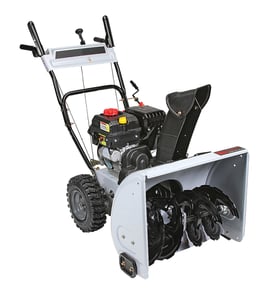


What is the typical lifespan of a gas snowblower?
A typical gas snowblower lasts 10 to 15 years. With consistent maintenance on your Craftsman snow thrower model 917253580 (cleaning after use, inspecting belts, and proper end-of-season storage), it commonly reaches the high end of that range.
What most affects lifespan
- Maintenance frequency: oil changes, inspections, and cleaning prevent premature wear.
- Fuel care and storage: stale fuel and improper storage shorten engine life.
- Belt condition: worn belts slip and strain the drive system.
- Operating conditions: heavy, wet snow and gravel drive faster wear.
- Corrosion control: moisture and salt exposure accelerate rust.
Maintenance schedule that supports a long service life
Your 917253580 owner's manual calls out key habits that directly impact longevity.
- Clean the snow thrower after each use; keep the housing free of dirt and debris.
- Avoid spraying water into the engine area; water intrusion can shorten engine life.
- Check V-belts for deterioration and wear about every 50 hours; replace if needed.
- At season end (or 30+ days of non-use), clean thoroughly, inspect/replace belts, and store in a clean, dry area.
- Store indoors when possible; use a cover that does not trap moisture (avoid plastic).
Typical lifespan expectations (what to plan for)
| Usage pattern | Typical lifespan | What usually ends it first |
|---|---|---|
| Light residential use | 12 to 15 years | Fuel system issues, rust |
| Moderate use (most homes) | 10 to 15 years | Belts, friction drive wear |
| Heavy use (frequent storms) | 8 to 12 years | Auger/drive wear, corrosion |
Why it matters
Planning around a 10 to 15 year lifespan helps you decide when to invest in upkeep versus major repairs. Simple steps like belt inspections and correct storage often prevent the most common “won’t drive” or “poor throwing” problems.
Last updated: January 2026
Should I use 87 or 91 for snowblower?
For the Craftsman snow thrower model 917253580, we use fresh regular unleaded gasoline (87 octane minimum). Moving up to 91 octane does not improve snow throwing power or reliability; fuel freshness and proper storage practices matter more. For operating and storage details, follow the 917253580 owner's manual.
What to use (and what to avoid)
- Use 87 octane or higher regular unleaded gas.
- Use fresh fuel; old gas is a top cause of hard starting and rough running.
- Add fuel stabilizer if the snowblower may sit for more than a few weeks.
- Avoid fuel that smells sour, looks dark, or has visible debris or water.
- Keep fuel containers clean; rust or dirt in the can ends up in the carburetor.
Storage guidance that prevents fuel problems
The manual’s storage section emphasizes safe storage and preparing the unit if it will sit 30 days or more.
- Let the engine cool before storing the snowblower in any enclosure.
- Never store the unit with gasoline in the tank inside a building where fumes could reach an ignition source.
- Clean the snowblower before storage and inspect wear items.
- For longer storage, follow the manual’s engine-protection steps (spark plug removal and adding a small amount of oil to the cylinder).
Quick comparison: 87 vs 91 octane
| Fuel choice | Works in 917253580? | Best use case | What you gain |
|---|---|---|---|
| 87 octane (regular) | Yes | Normal operation | Correct performance at lowest cost |
| 91 octane (premium) | Yes | Only if 87 is unavailable | No added power or throwing distance |
Why it matters
Using the right fuel helps prevent varnish buildup, carburetor gumming, and seasonal no-start issues. In real-world snowblower use, fresh 87 octane plus good storage habits beats premium fuel every time.
Last updated: January 2026
How do I tell what year my snowblower is?
For a Craftsman snow thrower model 917253580, the most reliable way to tell the year is to use the engine identification code (often called the engine model, type, and code). The code includes the engine’s manufacture date, which tells you the year your snowblower’s engine was built; use the 917253580 owner's manual to locate the ID label and confirm the correct code format.
Where to find the date information
Most gas snowblowers have the engine ID stamped or printed on the engine shroud, valve cover, or near the recoil starter housing.
- Look for a label or stamping on the engine itself (not the handle frame).
- Write down the full engine identification string (model and code).
- Clean off snow, oil, and grime so every digit is readable.
- If your unit has electric start, check near the starter motor area as well.
- Match the code format to the engine brand’s date chart.
How to decode the year (common small-engine format)
Many small engines use a numeric date code where the first two digits indicate the year. For example, a code starting with 99 indicates 1999.
| Example code start | Interpreted year | What it means |
|---|---|---|
| 99xxxxxx | 1999 | Engine built in 1999 |
| 05xxxxxx | 2005 | Engine built in 2005 |
| 17xxxxxx | 2017 | Engine built in 2017 |
Why the engine date matters (and what it does not tell you)
The engine manufacture year is the best practical “year” reference for most snowblowers because the engine is dated and traceable. The snowblower assembly date can be close to the engine date, but it can vary.
- Helps you choose correct tune-up parts (spark plug, belts, friction drive items).
- Helps confirm the right service procedures and adjustments.
- Helps narrow down parts diagrams when a model has multiple revisions.
If you are checking the year for parts selection
When you are ordering wear items, match by model number 917253580 first, then confirm by the part description.
- For auger engagement issues, a worn belt is common; check the snowblower auger drive belt 532408007.
- For chute control problems, inspect cable routing and adjustment.
- For drivetrain issues, avoid lubricating friction components (oil contamination can cause slipping).
Last updated: January 2026
What are common gas snow blower problems?
Common problems on a Craftsman gas snow thrower like model 917253580 include hard starting from stale fuel, weak snow discharge from clogs, auger not engaging from belt wear, and abnormal vibration after hitting debris. Use the safety and maintenance steps in the 917253580 owner's manual to troubleshoot safely.
Most common symptoms and likely causes
- Won’t start or starts then dies: old fuel, carburetor varnish, fouled spark plug, restricted fuel flow
- Weak or no snow discharge: packed chute or housing, wet heavy snow, impeller area clogged
- Auger won’t turn or slips: worn or stretched belt, misadjusted control linkage, binding auger
- Excessive vibration: loose fasteners, bent auger or impeller parts, damage after striking an object
- Chute won’t rotate or won’t hold position: binding chute mechanism, cable/rod out of adjustment
Safe checks we recommend first
Follow the manual’s shutdown sequence before you touch anything near the auger or chute.
- Stop the engine and wait for all moving parts to stop
- Disconnect the spark plug wire before inspecting or clearing jams
- Clear clogs with a stick, not your hands
- After striking an object, inspect for damage before restarting
- Tighten loose nuts, bolts, and screws if vibration starts
Quick “problem to check” table
| Problem | Check first | Typical fix |
|---|---|---|
| Won’t start | Fuel freshness, spark plug | Drain old fuel, replace plug, clean fuel system |
| Chute clogs | Packed snow in discharge path | Clear with a stick; adjust technique and chute angle |
| Auger won’t engage | Belt condition and tension | Replace belt; verify control adjustment |
| Vibrates | Loose or damaged auger/impeller | Tighten hardware; replace damaged parts |
Parts that often relate to these issues
- Snowblower auger drive belt 532408007: worn belt can prevent auger engagement
- Snowblower auger bearing 532420478: wear can add drag, noise, and vibration
Why it matters
Clogs and vibration are warning signs. Clearing jams the safe way and fixing looseness early helps prevent damage to the auger, impeller, and gearbox.
Last updated: January 2026