



What are the most common issues with 580677170?
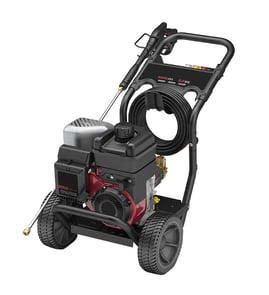
For the Craftsman 580677170 1750-psi high-pressure washer, the most common problems are low or surging pressure, water leaks at hose connections, and poor spray pattern from a clogged or worn nozzle. These issues are usually caused by restricted water supply, air in the pump, or worn seals and O-rings.
- Low pressure or pressure drops under load: clogged inlet filter, kinked hose, undersized water supply, worn nozzle
- Pressure surges or pulsing: air trapped in the pump, partially clogged nozzle, inconsistent water supply
- Water leaking at connections: flattened O-ring, loose fittings, damaged hose end
- Poor spray pattern: debris in the nozzle, worn nozzle orifice
- Unit runs but won’t build pressure: nozzle issue, internal seal wear, unprimed pump
- Confirm a strong water supply; fully open the spigot and use a non-kinked garden hose.
- Clean the inlet screen or inlet filter; a restricted inlet is a top cause of low pressure.
- Purge air: with water connected, squeeze the trigger until flow is steady before starting.
- Inspect the spray tip/nozzle for debris; flush it and test again.
- Check every quick-connect and threaded joint for a nicked or missing O-ring.
| Problem | Common fix | Example part on this model |
|---|---|---|
| Leaks at hose/wand connections | Replace worn O-ring | O-ring 97847GS or o-ring 97840GS |
| Low pressure from restricted inlet | Clean/replace inlet filter | Filter 709496 |
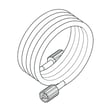
| Limited reach or damaged pressure line | Replace pressure hose | Hose 705076 or extension hose 84006753 |
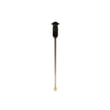
| Pressure won’t adjust well | Replace adjustable nozzle | Adjustment nozzle 205015CGS |
Running the 580677170 with a clogged filter or air in the pump makes pressure unstable and accelerates wear on seals. Fixing the water-supply and nozzle basics first prevents unnecessary parts replacement and helps the pump last longer.
Last updated: March 2026
What is the average lifespan of 580677170?
A Craftsman 580677170 1750-psi high-pressure washer typically lasts 7 to 10 years with normal homeowner use and basic maintenance. Keeping clean water flowing through the pump and replacing worn seals and hoses on time has the biggest impact on service life.
- Water quality and filtration: debris and grit wear out the pump quickly; keep the inlet screen clean and use a clean supply.
- Running time per session: long continuous runs build heat in the pump; short breaks extend life.
- Storage and winterizing: freezing water cracks pump components and fittings.
- Hose and connection condition: leaks cause pressure loss and can make the pump cycle harder.
- Routine wear parts: O-rings and seals are normal maintenance items.
- Flush clean water through the system after detergent use.
- Inspect and replace leaking O-rings and seals; common wear items include o-ring 97847GS and seal 93667GS.
- Check the water inlet filter and clean or replace it if restricted; see filter 709496.
- Avoid running the unit without water flow; always confirm the supply is on before starting.
- Drain water after use and store in a dry, non-freezing area.
| What you notice | Common cause | What to check next |
|---|---|---|
| Drips at a connection | Flattened O-ring | Replace O-ring, inspect mating surfaces |
| Water leaking from pump area | Worn seal | Replace seal, check for scoring |
| Low pressure with good water supply | Clogged inlet filter or nozzle issue | Clean/replace filter, inspect nozzle |
| Hose leaks or bulges | Worn hose | Replace hose |
A pressure washer’s pump and fittings wear gradually; catching small leaks early prevents pressure loss, reduces strain on the pump, and helps your Craftsman 580677170 reach its full 7 to 10 year lifespan.
Last updated: March 2026
Will a 1700 PSI pressure washer clean concrete?
Yes. A 1700 PSI pressure washer can clean concrete, especially for routine dirt, dust, and light algae. For heavy mildew, oil stains, or years of buildup, cleaning still works but takes more dwell time, the right nozzle, and slower, overlapping passes (and sometimes a detergent step).
Concrete is durable, but it is also porous; cleaning performance depends on how deep the grime is and how much surface area you need to cover.
- Good for: patio film, sidewalk dirt, light green algae, mud, pollen
- May need extra steps for: black mildew spotting, rust marks, oil and grease stains
- Will feel slower on: large driveways (coverage speed matters as much as PSI)
Use technique to make up for lower pressure.
- Start with a wider fan spray (avoid a pinpoint stream on concrete)
- Keep the nozzle 12 to 18 inches from the surface; move closer only as needed
- Work in 2 to 3 ft sections with slow, overlapping passes
- Pre-wet, apply detergent if your unit supports it, then rinse thoroughly
- If pressure pulses or drops, check for a clogged inlet screen or air leaks; replacing a worn filter 709496 often restores steady flow
| Concrete cleaning job | 1700 PSI outcome | Best approach |
|---|---|---|
| Light dirt and film | Cleans well | Fan spray, steady passes |
| Algae on shaded areas | Cleans with time | Pre-treat, slower passes |
| Heavy mildew staining | Partial to good | Detergent, repeat passes |
| Oil/grease stains | Limited | Degreaser, scrub, repeat |
Using the right spray pattern and distance helps you clean effectively without etching the concrete surface. It also reduces wear on your Craftsman 580677170 1750-PSI high-pressure washer by avoiding unnecessary close-range blasting.
Last updated: February 2026