Owner’s manual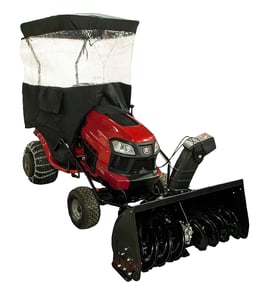


Can I use WD-40 on my snowblower chute?
Yes. On the Agri-Fab 45-04911 snowblower attachment, a light coat of WD-40 on the chute can help reduce snow sticking and clogging, especially with wet, heavy snow; apply it sparingly and keep it off belts, pulleys, and any friction-drive surfaces. For model-specific lubrication points and cautions, follow the 45-04911 owner's manual.
- Shut the tractor off, remove the key, and let all moving parts stop completely.
- Clean and dry the chute and discharge area first; lubricant works best on a smooth surface.
- Spray a light film inside the chute and on the discharge deflector; wipe off excess.
- Do not spray near the drive belt, auger drive belt, idler pulleys, or clutch and pulley frame.
- Reapply as needed during long sessions, especially in slushy conditions.
Lubricant overspray can cause belt slip and poor throwing performance. Keep sprays away from these common wear items:
| Area | Why it matters | Example part on this model |
|---|---|---|
| Belt drive | Oil can make belts slip and glaze | Drive belt 46989 |
| Auger belt drive | Slip reduces auger speed and increases clogging | Auger drive belt 42992 |
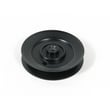
| Pulleys and idlers | Oil attracts grit and can accelerate wear | Pulley 47044 |
Chute clogging usually starts when snow sticks to a cold, slightly rough surface. A thin, slick film helps snow slide through the chute so the impeller can keep throwing consistently, which reduces jams and strain on the auger and gearbox.
Last updated: January 2026
Can you put a snowblower attachment on a zero turn mower?
Yes, you can sometimes mount a snowblower attachment to a zero-turn mower, but it depends on the zero-turn’s front frame design, lift system, and belt or PTO drive compatibility. For the Agri-Fab 45-04911, confirm the required mounting hardware and fitment steps in the 45-04911 owner's manual.
Most fitment problems come from how the attachment mounts and how it’s driven.
- Mounting points and frame shape: Zero-turn frames vary a lot at the front crossmember.
- Lift method: Manual lift, winch lift, or tractor lift linkage must match the attachment setup.
- Drive method: The attachment needs a compatible belt path or PTO style drive.
- Clearance: Caster wheels, deck hangers, and front tires can interfere.
- Weight and traction: Zero-turns can need added front ballast and rear traction help.
Use this as a fast go or no-go screen.
| Check | What you want to see | What causes a no-fit |
|---|---|---|
| Front mount area | Flat, strong mounting surface | Curved or obstructed frame rails |
| Lift capability | Stable lift with enough travel | Attachment drags or cannot raise |
| Drive routing | Clean belt routing to pulleys | Belt rubs, twists, or cannot tension |
| Steering clearance | No contact at full lock | Caster or tire hits housing |
If your attachment is already installed but sits too low, scrapes, or won’t track evenly, these parts are often involved:
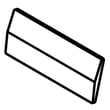
- Snowblower attachment skid shoe 24279BL1 to set scraping height and protect surfaces
- Lawn tractor snowblower attachment mounting plate, left 25679BL1 for correct attachment alignment
- Agri-fab lawn tractor snowblower attachment drive belt, 1/2 x 55-in 46989 if the drive system uses this belt and it’s worn or stretched
A snowblower attachment that is not correctly mounted or driven can slip belts, bind the auger/impeller, or damage brackets. Verifying fitment first saves time and prevents repeat belt and pulley failures.
Last updated: January 2026
How to prevent snow from sticking to a snow blower?
For the Agri-Fab 45-04911 snowblower attachment, the most effective way to prevent snow from sticking is to keep the chute and housing clean and dry, then apply a light, even non-stick coating before you start; this reduces wet-snow buildup that causes clogging and poor throwing distance. Check the 45-04911 owner's manual for any product-specific lubricant and cleaning guidance.
- Clean packed snow and ice off the chute, impeller area, and housing after each use.
- Apply a light coat of a non-stick spray to the inside of the chute and housing before blowing.
- Avoid over-applying; heavy spray can attract grit and make cleanup harder.
- Keep the scraper edge and skid shoes adjusted so you are not digging into gravel or turf.
- Use steady ground speed; pushing too fast in wet snow overloads the auger and chute.
| Option | Works for wet snow? | Notes |
|---|---|---|
| Silicone spray | Yes | Common choice; leaves a slick film and is easy to reapply. |
| Non-stick cooking spray | Yes | Works in a pinch; reapply more often. |
| Light penetrating oil | Sometimes | Can help, but use lightly and wipe excess to reduce mess. |
| Heavy grease | No | Tends to trap debris and can worsen clogging. |
If snow still sticks, inspect these common trouble spots:
- Chute interior for rust, dents, or rough paint that grabs snow.
- Belt slip that slows the auger and impeller (consider inspecting the auger drive belt 42992 if performance drops).
- Skid shoe height and scraper blade wear (a worn snowblower attachment skid shoe 24279BL1 can make the housing ride too low).
Sticking snow forces repeated unclogging, reduces throwing distance, and can overload the auger and impeller drive system. A clean surface and correct adjustment keep snow moving through the housing smoothly.
Last updated: January 2026