Owner’s manual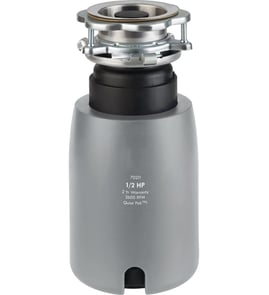

Why don't plumbers like garbage disposals?
Plumbers often dislike garbage disposals because they frequently lead to clogs, jams, leaks, and drain backups when they are used like a trash can. With the Kenmore 58770321410 garbage disposal, correct use (cold water, proper items only, safe jam clearing) prevents most of the problems that trigger service calls.
What usually causes the plumbing problems
Most “garbage disposal problems” are really drain and trap problems caused by what goes into the disposer and how it is run.
- Grease, fats, and oily liquids: they cool and coat the trap and branch drain
- Fibrous foods (cornhusks, rinds, peels): they can tangle and slow drainage
- Hard or non-food items (metal, glass, plastic): they can jam the grinding area
- Chemical drain cleaners: they corrode metal parts and create avoidable damage
- Not flushing long enough after grinding: food stays in the trap and builds up
What our manual says to do (and not do)
These habits reduce clogs and the “mystery blockage” plumbers get called for.
| Task | What to do | Why it matters |
|---|---|---|
| Running water | Use a medium flow of cold water | Cold keeps fats more solid so they flush away instead of smearing in pipes |
| After grinding | Keep water and disposer running about 15 seconds after shredding stops | Flushes particles through the trap and drain |
| What not to put in | Avoid hot grease, caustic drain cleaners, glass, china, plastic, metal, and cornhusks | Prevents jams, corrosion, and pipe blockages |
| Jam clearing | Turn power OFF; use a long wooden tool, or long-handled tongs/pliers | Prevents injury and avoids damaging the disposer |
For the full operating and safety instructions, use the 58770321410 owner's manual.
Why plumbers push back on disposals
A disposer makes it easy to send more solids into plumbing than the drain line was designed to carry. Even when food is ground up, it still has to travel through the sink trap and the rest of the drain system; that is where buildup and clogs form.
Best practices that prevent most service calls
- Scrape plates into the trash first; use the disposer for small scraps
- Run cold water before, during, and after grinding
- Cut or break up bulky scraps; throw away very fibrous waste
- Never use chemical drain cleaners in the disposer
- Leave the stopper in place when not operating to reduce foreign objects falling in
Last updated: February 2026
Can you buy parts for a garbage disposal?
Yes. You can buy replacement parts for a garbage disposal, and it is often the fastest way to fix common issues like leaks, a missing stopper, or a worn splash guard without replacing the entire unit. For Kenmore model 58770321410, use the parts list and diagrams referenced in the 58770321410 owner's manual.
Common garbage disposal parts people replace
These are the most frequently replaced items on disposers like the Kenmore 58770321410:
- Sink stopper (helps prevent utensils and debris from falling in)
- Splash guard (helps reduce splash-back; the manual notes not to run the disposer without it)
- Mounting hardware (mounting ring, snap ring, screws)
- Sink flange and gaskets (fiber gasket, backup flange)
- Discharge elbow and elbow gasket (common leak point)
How to confirm which part you need
We recommend matching the symptom to the area of the disposer that typically fails.
| Symptom | Most likely area | What to check first |
|---|---|---|
| Water leaking under sink | Discharge elbow or sink flange | Tightness of elbow flange screws; condition of gaskets |
| Loud rattling (not normal grinding) | Foreign object in grind chamber | Turn power off; remove object with tongs or pliers |
| Won’t grind or is jammed | Impellers/turntable jam | Use a long wooden handle to free the jam; never use hands |
| Splashing up into sink | Splash guard missing/worn | Replace splash guard; keep stopper in place when not in use |
Safety steps before you work on it
Garbage disposals can injure hands and can start unexpectedly if power is on.
- Turn the wall switch OFF before clearing a jam or removing an object
- Never put fingers or hands into the disposer
- Use long-handled tongs or pliers to remove objects
- Use a long wooden spoon or broom handle to loosen jams
- Avoid caustic drain cleaners; they corrode metal parts
Why it matters
Replacing a small part (like a gasket, stopper, or splash guard) restores safe operation, helps prevent leaks that can damage cabinets, and keeps the disposer draining properly.
Last updated: February 2026
Are all garbage disposals universal fit?
Most garbage disposals are not a universal fit. Many are designed around a common sink drain opening size, but the mounting hardware style, under-sink clearance, discharge outlet position, and electrical hookup can vary by model. For Kenmore model 58770321410, confirm the mounting and connection details in the 58770321410 owner's manual.
What usually is (and is not) “standard”
Many disposals are built to work with a typical kitchen sink drain opening, but “fits the hole” does not guarantee “fits the installation.” Check these items before buying or swapping a unit:
- Mounting system: 3-bolt mount vs. proprietary quick-lock styles
- Overall height and diameter: affects cabinet clearance and bin placement
- Discharge outlet height and direction: must line up with your trap and drain arm
- Dishwasher inlet: some setups require a knockout plug to be removed
- Electrical: cord-and-plug vs. hardwired connection
Quick fit checklist for Kenmore 58770321410
Use this checklist to avoid leaks, vibration, and plumbing rework:
- Measure the vertical space from sink bottom to the cabinet floor
- Note where the P-trap sits and how much it can be adjusted
- Confirm whether you need a dishwasher drain connection
- Identify whether your current unit is plug-in or hardwired
- Verify the sink has the correct mounting flange and ring style
Common differences at a glance
| Fit factor | What can vary | What it affects |
|---|---|---|
| Mount type | Bolt pattern, lock ring design | Whether the disposer can attach to your existing sink flange |
| Body size | Height, width | Cabinet clearance and ease of installation |
| Outlet location | Height, angle | Whether your drain plumbing lines up without modification |
| Electrical | Plug-in cord vs. hardwire | Whether you need wiring changes and proper grounding |
Why it matters
A disposer that “almost fits” often leads to drain leaks, strain on the mounting ring, louder operation, or a trap that sits too low to drain well. Matching the mount and outlet geometry saves time and prevents repeat repairs.
Last updated: February 2026
How long does a Kenmore garbage disposal last?
A Kenmore garbage disposal typically lasts 10 to 12 years with normal household use. You can often extend the life of your Kenmore 58770321410 by running cold water during grinding, avoiding hard non-food items, and flushing the drain after the grinding stops (see the 58770321410 owner's manual).
Typical lifespan and what affects it
Most disposals fail early because of jams, overheating, corrosion, or repeated misuse. These factors have the biggest impact:
- What goes in: fibrous husks, large bones, and non-food items increase wear and jam risk
- Water habits: cold water helps keep fats solid so they flush away instead of coating the grind chamber
- Run time: letting water run briefly after grinding clears the trap and drain
- Frequency of use: heavy daily use shortens motor and seal life
- Jams and resets: repeated stalls strain the motor and internal components
Use and care habits that add years
These operating habits match the Kenmore guidance and reduce clogs and jams:
- Run a medium flow of cold water before switching the disposer on
- Feed small amounts of food waste at a time (scraps, peelings, rinds, seeds, pits, coffee grounds)
- Break up large items before grinding; throw away very fibrous husks when possible
- After shredding stops, keep the disposer and water running for about 15 seconds to flush the drain
- Leave the stopper in place when not using the disposer to reduce the chance of objects falling in
What “end of life” looks like
If your disposal is nearing the end of its typical 10 to 12 year lifespan, these symptoms usually show up first:
| Symptom | What it usually means | What to try first |
|---|---|---|
| Hums but won’t grind | Jammed impellers or stuck rotor | Power off, clear jam, then reset if equipped |
| Frequent clogs | Poor flushing, grease buildup, worn grinding action | Cold-water flush habits; avoid fats and fibrous waste |
| Leaks from housing | Seal or body corrosion | Plan for replacement |
| Slow grinding | Normal wear or overload | Smaller batches; cold water; avoid tough waste |
Why it matters
A disposal that is used correctly protects your sink drain and dishwasher drain path by moving food waste through the trap efficiently. The simple “cold water plus 15-second flush” routine reduces buildup that shortens disposal life.
Last updated: February 2026
Can I fix my garbage disposal myself?
Yes. With a Kenmore garbage disposal model 58770321410, we see many issues you can fix yourself, such as clearing a jam, removing a foreign object, or using the reset. Always shut off power before troubleshooting, and never put hands or fingers into the disposer; use the safe methods in the owner's manual.
What you can safely do yourself
These are the most common DIY fixes that match the safety guidance in the manual:
- Turn off power first at the switch, then unplug (if applicable) or switch off the breaker.
- Clear a jam using a long wooden object (wooden spoon or broom handle) to loosen it.
- Remove objects safely with long-handled tongs or pliers (not your hands).
- Reset the disposer after clearing the jam (many units have a reset button on the bottom).
- Flush correctly after use: run a medium flow of cold water and keep it running about 15 seconds after shredding stops.
When DIY is not the right call
Stop and switch to professional service if any of these are true:
- You see smoke, burning smell, or sparking
- The unit trips the breaker repeatedly
- You suspect a grounding or outlet problem (the manual warns not to modify the plug)
- There is a significant leak from the housing or wiring area
- The disposer runs but makes loud metal-on-metal noise that does not stop after removing foreign objects
Quick decision guide
| Symptom | Most likely DIY step | Power off required? |
|---|---|---|
| Hums but will not grind | Clear jam with wooden spoon or broom handle | Yes |
| Loud rattling | Remove foreign object with tongs or pliers | Yes |
| Slow grinding | Use cold water; avoid fibrous waste and large bones | No (for operating tips) |
| Will not start | Reset after clearing jam; check power source | Yes |
Why it matters
A garbage disposal can eject debris and the grinding components can injure hands. Following the manual’s safety steps (power off, no hands in the disposer, use long tools) prevents injury and helps avoid damage to the motor and grinding components.
Last updated: February 2026