Owner’s manual







How to tell the tonnage of a log splitter?
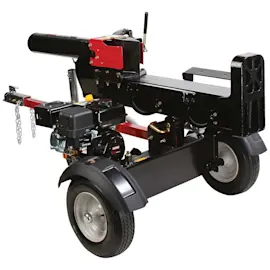
On the Craftsman 48624540, the tonnage is the splitter’s rated force; this model is a 10-ton hydraulic log splitter. In general, tonnage is calculated from hydraulic pressure and cylinder piston area (force = pressure × area), but the simplest way is to use the rating listed in the owner's manual.
Quick ways to identify tonnage
- Check the model’s product type and rating in the owner's manual.
- Look for a decal or label on the beam or hydraulic cylinder area that lists “tons” or “splitting force.”
- Use the model number (48624540) to match the correct specs and parts list.
- If you are calculating, use the cylinder bore (piston diameter) and the system’s maximum pressure.
- Treat “tonnage” as peak splitting force; real-world performance also depends on wood species, knots, and wedge condition.
How tonnage is calculated (the basic formula)
Hydraulic splitting force is typically calculated like this:
| Item | What it means | Example unit |
|---|---|---|
| Pressure (P) | Pump/system relief pressure | PSI |
| Piston area (A) | Area of the cylinder piston | in² |
| Force (F) | Splitting force | pounds (lb) |
| Tonnage | Force converted to tons | tons |
Formulas
- Piston area: A = π × (bore ÷ 2)²
- Force: F = P × A
- Tons: tons = F ÷ 2,000
Why it matters
Tonnage helps you match the splitter to the job. A 10-ton splitter like the Craftsman 48624540 is well-suited for typical firewood lengths (the manual lists a maximum log length of 18 inches) and everyday splitting, while larger, knotty rounds often benefit from higher tonnage.
Related spec that affects performance
- Maximum log length: 18 in.
- Ram stroke: 8-1/16 in.
- Keep the release screw properly tightened for splitting, and open it for pressure relief during storage (per the manual).
Last updated: February 2026
What are common log splitter problems?
Common problems on the Craftsman 48624540 10-ton hydraulic log splitter are low splitting force, slow or jerky ram movement, the piston rod not retracting, and hydraulic oil leaks. Most issues trace back to low oil level, air trapped in the system, or sap and debris buildup; our owner's manual covers bleeding and oil-fill basics.
Most common symptoms and what they usually mean
- Ram moves slowly or feels “spongy”: air in the hydraulic system or low oil.
- Low splitting power: low oil level, air in the cylinder, or the log exceeds the tool’s capacity.
- Ram will not retract: release screw not opened enough, or pressure not being relieved correctly.
- Oil seepage around seals or fittings: loose hardware, worn seals, or overfilled reservoir.
- Hard operation or binding: sap buildup on the wedge/cradle area, or misaligned log in the cradle.
Quick checks we recommend (safe, no special tools)
- Confirm log size: this model is designed for logs up to 18 inches long.
- Relieve pressure correctly: turn the release screw counterclockwise to retract the piston rod, then tighten when fully retracted.
- Check hydraulic oil level: add hydraulic oil until it is about 1/2 inch from the top (when laying down).
- Bleed trapped air: extend the piston rod, remove the oil filling plug, then open the release screw quickly to retract and push air out; repeat as needed.
- Clean after use: wipe off sap and dirt to prevent sticking and premature wear.
Troubleshooting guide (symptom to action)
| Symptom | What to do first | What to check next |
|---|---|---|
| Slow/jerky ram | Bleed air | Verify oil level and correct fill |
| Low splitting force | Verify log length and straight grain | Bleed air, check for leaks |
| Ram will not retract | Open release screw further | Check for binding from sap/debris |
| Oil leak | Wipe clean and recheck source | Tighten hardware, inspect seals |
Why it matters
Hydraulic splitters rely on sealed fluid pressure. Low oil, trapped air, or pressure not being relieved at the release screw reduces force and can make the piston rod act erratically, which also increases wear on seals and moving parts.
Last updated: February 2026
Do log splitters have serial numbers?
Yes. Most log splitters, including the Craftsman 48624540 10-ton hydraulic log splitter, have an identification label or tag that lists the model number and often a serial number; it’s used to match the correct parts list, hardware, and service information.
Where to look on the log splitter
We typically see the ID label or metal tag in a spot that’s easy to read but away from moving parts and pinch points.
- On the main frame rail near the hitch area
- Near the handle/operating lever area
- On or near the axle assembly area
- Near the hydraulic cylinder mounting area
- On a crossmember or upright where it won’t get scraped off
For diagrams and the official parts breakdown tied to this model, use the owner's manual.
What information you’ll find (and why it helps)
The tag usually includes the model number (48624540) and may include a serial number or manufacturing code. That information helps us:
- Confirm you’re ordering parts that fit your exact unit
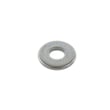
- Match hardware sizes used in assembly (washers, lock washers, nuts, bolts)
- Identify the correct assemblies (axle, wheel, hitch)
- Avoid mix-ups when similar Craftsman log splitters look alike
Quick reference: model number vs. serial number
| Item | What it identifies | When you need it |
|---|---|---|
| Model number | The design and parts list for the splitter | Always, when looking up parts and diagrams |
| Serial number | The specific unit and production run | Helpful for service history and exact build details |
Why it matters
Log splitters often share common-looking frames and hardware, but small changes between production runs can affect fit. Using the model and serial information from the tag helps ensure you get the right parts the first time.
Last updated: February 2026
How often should hydraulic fluid be changed in a log splitter?
For the Craftsman 48624540 10-ton hydraulic log splitter, we change hydraulic oil on a regular schedule based on use: plan on an annual change for typical homeowner use, and change sooner if the oil looks milky, dark, or contaminated. Use the owner's manual for the correct oil type and service procedure.
Recommended change interval (practical schedule)
- Once per year for seasonal/homeowner use.
- Every 50 to 150 hours if you track run time; heavier use and higher heat push you toward the shorter end.
- First change earlier (commonly 25 to 50 hours) if the splitter is new or has had major hydraulic work.
- Immediately if you see water contamination (milky oil), metal debris, or burnt smell.
What to check before each use
Hydraulic oil condition matters as much as the calendar. Before splitting, we check:
- Oil level (low oil can cause slow or weak splitting)
- Oil clarity (cloudy or foamy oil points to air or moisture)
- Leaks around the cylinder, fittings, and reservoir area
- Smooth ram movement and consistent resistance at the handles
Quick reference: when to change vs. when to top off
| What you notice | What it usually means | What we do |
|---|---|---|
| Level is low but oil is clean | Minor seepage or normal settling | Top off with the correct hydraulic oil |
| Oil is milky/foamy | Moisture or air in the system | Bleed system; change oil if contamination persists |
| Oil is dark or smells burnt | Overheating or oxidation | Change oil and inspect for binding or overloading |
| Ram is slow/weak | Low oil, air, or pressure release issue | Check release screw, oil level, then bleed |
Why it matters
Fresh, clean hydraulic oil protects the cylinder and seals, keeps the ram stroke consistent, and reduces wear that can lead to leaks and poor splitting performance.
Related maintenance tips for this model
The Craftsman 48624540 manual also calls out maintenance actions that pair well with oil service:
- Wipe down the splitter after use to remove sap and dirt
- If the cylinder action feels spongy, bleed air from the system (manual procedure)
- When storing, open the release screw to relieve hydraulic pressure during non-use
Last updated: February 2026
What engine is on a 48624540 log splitter?
The Craftsman 48624540 is a 10-ton hydraulic log splitter that’s operated by a manual hydraulic pump (no engine). If you’re looking for an engine make or CC rating, that applies to gas-powered splitters, not this model; confirm operation and specs in the owner's manual.
How to tell you have the right model
Check the ID label on the splitter frame and match it to 48624540. This matters because gas-powered splitters often have similar names but completely different parts and specifications.
- Model number should read 48624540 (sometimes shown as 486.24540)
- This model is rated 10-ton and uses a hand pump and release screw
- The manual lists an 18-inch maximum log length
- It tows behind a lawn and garden tractor using a hitch pin setup
- Parts diagrams show hydraulic and frame hardware, not an engine or carburetor
What you have instead of an engine
This splitter builds pressure when you pump the handles; the release screw controls pressure return.
| Feature | Craftsman 48624540 | Typical gas log splitter |
|---|---|---|
| Power source | Manual hydraulic pump | Gas engine (CC/HP listed) |
| “Engine” specs | Not applicable | Brand and displacement (example: 190cc) |
| Common maintenance | Hydraulic oil level, pins, fasteners | Engine oil, spark plug, air filter |
If the ram will not move (common “power” complaint)
If it feels like it has “no power,” we treat it as a hydraulic pressure issue, not an engine issue.
- Tighten the release screw fully (closed position)
- Check and add hydraulic oil if low
- Make sure the piston rod is fully retracted before starting a stroke
- Inspect for bent or missing hitch and axle hardware that can bind the frame
Parts that commonly get lost during towing/handling
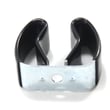
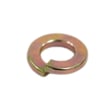
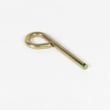
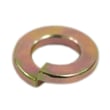
If you’re missing attachment hardware, these are commonly replaced items for this model:
Why it matters
Ordering parts or troubleshooting by “engine type” can send you to the wrong diagrams. For Craftsman 48624540, the correct path is hydraulic operation checks and the model-specific parts list.
Last updated: February 2026