Owner’s manual
 Error Codes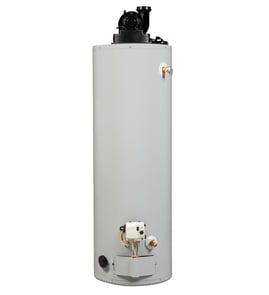






What is the typical lifespan of a gas hot water heater?
A typical gas water heater lasts 8 to 12 years. For an American gas water heater like model BFG6140S403NOV, regular maintenance (especially protecting the tank from corrosion) is what most often determines whether you land closer to 8 years or closer to 12.
What affects lifespan the most
- Water quality and corrosion: aggressive or softened water can speed tank wear.
- Anode rod condition: the anode protects the tank; once it is heavily depleted, tank corrosion accelerates.
- Sediment buildup: reduces efficiency and can overheat the tank bottom.
- Temperature setting: higher settings increase stress on components.
- Installation environment: tight spaces and poor combustion air can cause performance issues.
Maintenance schedule we recommend for BFG6140S403NOV
Use the BFG6140S403NOV owner's manual for the exact procedure and safety steps.
- Inspect the anode rod about every 3 years and replace it if it is more than 50% depleted.
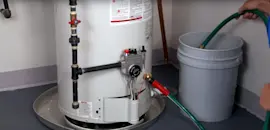
- Drain a few gallons periodically to help reduce sediment (more often with hard water).
- Check for small leaks at fittings and the drain valve.
- Keep the burner area clean and make sure combustion air openings are not blocked.
Common “age-related” parts to watch
| Symptom | Often involved part | What it can lead to |
|---|---|---|
| Rotten egg odor, faster tank corrosion | Anode rod | Shortened tank life |
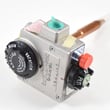
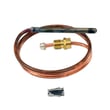
| Pilot won’t stay lit | Thermocouple or pilot igniter | No hot water |
| Water on floor near heater | Drain valve or tank leak | Water damage risk |
If you are doing corrosion-prevention maintenance, the model-specific water heater anode rod 100109594 is the key wear item to check.
Why it matters
Once a gas water heater tank starts rusting through, repairs are rarely cost-effective. Staying ahead of corrosion (anode rod inspections) is the most reliable way to reach the upper end of the typical 8 to 12 year lifespan.
Last updated: January 2026
Why are gas water heaters being phased out?
Gas water heaters are being phased out in some areas because local and state policies target lower air pollution and greenhouse-gas emissions from burning natural gas. For an American BFG6140S403NOV gas water heater, this is a regulation and energy-policy issue, not a repair issue.
What is driving the phase-outs
Most phase-out proposals focus on emissions created when gas appliances run, especially in dense metro areas.
- Reducing nitrogen oxides (NOx) that contribute to smog
- Cutting carbon monoxide risk from improper venting or backdrafting (a safety concern in any fuel-burning appliance)
- Lowering greenhouse-gas emissions by shifting homes to electric heat pump water heaters
- Meeting regional clean-air targets over multi-year timelines
- Encouraging higher-efficiency equipment and electrification incentives
What it means for owners of model BFG6140S403NOV
In most places, existing gas water heaters can be used until end of life; the change typically affects new installations or replacements.
| Situation | What usually happens | What you should do |
|---|---|---|
| Your heater is working normally | Keep using it | Maintain it and keep venting clearances correct |
| You need a replacement later | Rules may limit new gas installs | Check local code and utility program options |
| You are remodeling or pulling permits | Stricter requirements may apply | Confirm requirements before buying a new unit |
Practical steps you can take now
Even where gas units remain allowed, safe operation and proper installation matter.
- Follow the clearance and location rules in the BFG6140S403NOV owner's manual
- Never store gasoline, solvents, or other flammables near the water heater
- Avoid installing near strong air-moving devices (exhaust fans, dryers) that can disrupt draft
- If the unit has been under water, replace the water heater (gas controls and burner components are not reusable)
- If you smell gas, leave the area and contact your gas supplier from a safe location
Why it matters
Phase-outs are about reducing community-wide emissions over time; separately, correct venting and safe placement help prevent backdrafting and carbon monoxide exposure in any gas water heater installation.
Last updated: January 2026
What is the average labor cost to install a 50 gallon gas water heater?
Average labor to install a 50-gallon gas water heater runs $400 to $1,000 for a straightforward replacement; labor increases when venting changes, gas piping work, or code upgrades are needed. Your American BFG6140S403NOV is a different size class, but installation labor is priced mainly by venting, gas, and access, not a 10-gallon difference; use the BFG6140S403NOV owner's manual for model-specific installation requirements.
What changes the labor price most
These items drive labor time and complexity more than tank capacity:
- Swap vs. relocation: replacing in the same spot costs less than moving the heater
- Venting work: new vent connector, added elbows, longer run, or chimney changes
- Gas line work: resizing pipe, adding a shutoff, adding a sediment trap, pressure testing
- Access: attic, crawlspace, tight closet, stairs, or limited clearance
- Water piping updates: corroded shutoff, old connectors, dielectric fittings, leak repairs
- Permit and inspection: scheduling and rework if corrections are required
Typical labor ranges by job type
| Installation scenario | Typical labor range | What’s usually included |
|---|---|---|
| Like-for-like replacement (easy access) | $400 to $700 | disconnect, reconnect, basic startup and leak checks |
| Replacement with moderate updates | $700 to $1,000 | minor vent or piping changes, added fittings |
| Complex install (relocation or major vent/gas work) | $1,000+ | significant venting changes, new gas piping, difficult access |
What to confirm in the quote (gas models like BFG6140S403NOV)
Match the bid to the real scope before work starts:
- Venting category and route; clearances and termination location
- Gas supply sizing and shutoff placement (the manual includes gas supply guidance)
- Combustion air and ventilation requirements
- Drain pan and discharge routing where leakage could damage property
- Startup checks: gas leak test, draft verification, burner operation
Why it matters
Gas water heater installs are priced around safety-critical work (venting and gas piping) and jobsite conditions. Confirming scope up front prevents change orders and helps ensure a code-compliant installation.
Last updated: January 2026