


What's the most common Rheem furnace error?
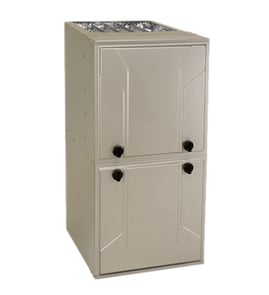
The most common Rheem furnace error is an ignition failure, which typically shows up as a “no heat” call with a blinking status light pattern on the control board. On Rheem RGAA gas-fired highboy furnaces, ignition-related faults are often tied to flame-sensing problems, gas supply issues, or airflow conditions that cause the furnace to shut down for safety.
What “most common” usually means on Rheem furnaces
Across Rheem gas furnaces, the most frequent service calls cluster into a few categories. Even when the exact blink code varies by control board, the underlying causes are usually consistent.
- Dirty or weak flame sensing (burners light, then shut off)
- Ignition trouble (no ignition, repeated tries, then lockout)
- Airflow restriction (overheat or limit switch trip)
- Venting or pressure switch problems (draft proving fails)
- Low voltage or loose wiring connections
Quick checks we recommend before replacing parts
Turn off power to the furnace at the switch or breaker before opening panels. If you smell gas, stop and have the system checked by a qualified technician.
- Replace the air filter and make sure supply registers are open
- Confirm the thermostat is calling for heat and has good batteries (if applicable)
- Check the furnace door is fully seated (many units have a door safety switch)
- Look for blocked intake or exhaust venting (snow, nests, debris)
- Inspect wiring for loose spade connectors or heat damage
Parts that commonly relate to ignition and “no heat” symptoms
If troubleshooting points to a blower or airflow problem contributing to shutdowns, these model-related parts are commonly involved.
| Symptom you see | Common direction | Example part on this model page |
|---|---|---|
| Furnace starts, then shuts down on safety | Airflow or blower issue | Motor 45460 |
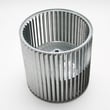
| Weak airflow, noisy blower | Blower wheel or mounting issue | Check blower wheel and mounts |
| Blower hums or struggles to start | Motor capacitor issue | Capacitor 12907 |
Why it matters
Ignition and safety shutdown errors are the furnace protecting your home. Fixing airflow first (filter, vents, blower condition) prevents repeat lockouts and reduces stress on components like the gas valve, ignitor, and control board.
Ordering the right part
We recommend matching by model number RGAA and comparing the part number on the old part when possible. You can order replacement parts from the parts list for this model, or search by model on Sears PartsDirect.
Last updated: February 2026
What is the average lifespan of a Rheem furnace?
A Rheem gas-fired highboy furnace like model RGAA typically lasts 15 to 20 years. Consistent maintenance (especially keeping airflow clean and burners properly adjusted) is what most often determines whether your furnace reaches the high end of that range.
Typical lifespan and what changes it
Most furnaces fail early due to heat stress, restricted airflow, or ignition and blower wear. These factors have the biggest impact:
- Filter and return-air cleanliness (dirty filters overheat the heat exchanger area)
- Blower performance (weak airflow from a failing motor or wheel raises operating temperatures)
- Ignition and gas delivery stability (delayed ignition and short cycling add wear)
- Duct sizing and static pressure (high static pressure strains the blower)
- Moisture and corrosion exposure (basements, crawlspaces, and humid areas can shorten life)
Maintenance checklist we recommend
Use this as a simple annual plan for a Rheem RGAA furnace:
- Replace or clean the air filter on schedule (often every 1 to 3 months)
- Keep supply and return vents open and unobstructed
- Vacuum dust around the blower compartment and burner area (power off first)
- Confirm the thermostat cycles normally (no rapid on and off)
- Have a qualified technician perform an annual inspection and combustion check
Parts that commonly affect “end of life” decisions
When a furnace is aging, repairs often involve airflow or ignition related components. If you are troubleshooting weak airflow or overheating symptoms, these parts are commonly involved:
| Symptom | Common area | Example part on this model page |
|---|---|---|
| Weak airflow, noisy blower | Blower assembly | Motor 45460 |
| Rattling, vibration | Blower wheel or mounting | (check blower wheel and motor mount options on the parts list) |
| Humming, hard starts | Motor run capacitor | Capacitor 12907 |
Why it matters
Knowing the 15 to 20 year lifespan helps you decide whether to repair or plan a replacement. On an older RGAA furnace, restoring proper airflow and stable ignition can improve comfort and efficiency, but repeated major repairs usually signal the unit is nearing the end of its service life.
You can order replacement parts for your Rheem RGAA from the parts list for this model, or search by model number on Sears PartsDirect.
Last updated: February 2026
How do I know if my furnace gas regulator is bad?
A bad gas regulator or gas valve on your Rheem RGAA gas-fired highboy furnace usually shows up as burner problems (no heat, delayed ignition, or unstable flames) or clear safety warnings like a gas odor. If you suspect a gas issue, shut the furnace off and have the gas train checked before running it again.
Common signs the gas regulator or gas valve is failing
- Gas smell near the furnace or gas piping
- No heat even though the inducer/blower runs
- Burners won’t light or they light and then drop out quickly
- Delayed ignition (a noticeable pause before burners light)
- Lazy yellow flames or flames that lift, flutter, or roll out
- Sooting around the burner area or inside the burner compartment
Quick checks that help narrow it down (safe, basic)
- Check the thermostat call for heat and confirm the furnace is actually trying to fire.
- Verify the manual gas shutoff valve is fully open (handle parallel to the pipe).
- Listen for ignition sequence: inducer starts, igniter heats/sparks, then gas valve should open and burners light.
- If the furnace repeatedly tries and fails to light, stop cycling power and move to professional diagnosis.
What a technician typically tests
These checks confirm whether the issue is the regulator/valve or something else (ignition, airflow, controls):
| Test | What it indicates | Typical outcome if bad |
|---|---|---|
| Manifold gas pressure check | Regulator performance under load | Pressure out of spec or unstable |
| Inlet gas pressure check | Supply issue vs. valve issue | Low inlet points to supply problem |
| Voltage to gas valve during ignition | Control board and safeties | Correct voltage but no opening suggests valve issue |
| Leak check at fittings | Safety and sealing | Bubbles or detector alarm indicates leak |
Why it matters
The gas regulator and gas valve control fuel flow to the burners. When they fail, you can get no-heat conditions, rough ignition, flame instability, or unsafe gas leakage. Addressing symptoms early helps protect the furnace and your home.
Parts that may be involved
If testing confirms the valve is the problem, the replacement is typically the gas valve listed for this model. Use the exact match for your RGAA configuration.
You can order replacement parts from the parts list for your Rheem RGAA, or search by model number on Sears PartsDirect.
Last updated: February 2026