Owner’s manual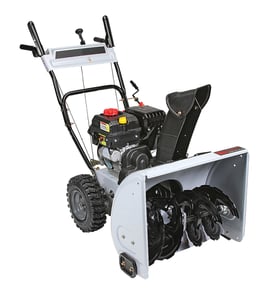



Is a 2 stage or 3 stage snowblower better?
A 2-stage snowblower is the best all-around choice for most driveways because it handles packed snow well and throws it efficiently. A 3-stage snowblower is better when you regularly face heavy, wet, or icy snowbanks because its extra accelerator helps pull in and process higher snow volume faster. For your MTD 31AH763G401, use the 31AH763G401 operator’s manual to confirm your unit’s drive and auger features.
Both designs use an auger to collect snow and an impeller to throw it, but 3-stage adds an accelerator (a fast-spinning center auger) to feed snow into the impeller more aggressively.
- 2-stage: auger gathers snow; impeller throws it
- 3-stage: auger gathers snow; accelerator speeds it inward; impeller throws it
- Best for: 2-stage for typical snowfall, 3-stage for frequent deep, dense, end-of-driveway plow piles
| Feature | 2-stage | 3-stage |
|---|---|---|
| Performance in wet, heavy snow | Very good | Excellent |
| Speed through deep snowbanks | Good | Faster |
| Complexity and maintenance | Lower | Higher |
| Typical cost | Lower | Higher |
Pick based on conditions you actually see, not just maximum specs.
- Choose 2-stage if you clear 2 to 10 inches most storms and want strong value
- Choose 3-stage if you often hit dense plow berms, heavy lake-effect snow, or refrozen piles
- If your machine struggles, check wear items first: skid shoes and shave plate set the housing height and scraping performance
- For uneven pavement or gravel, keep the front end slightly raised to avoid pulling stones
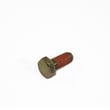
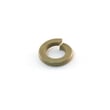
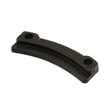
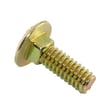
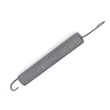
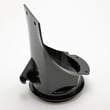
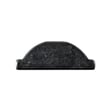
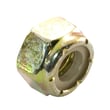
If scraping is poor or the housing rides too low, these common parts can make a big difference:
Matching the stage design to your snow type reduces clogging, improves throwing distance, and lowers strain on belts, shear bolts, and the auger/impeller system.
Last updated: January 2026
What happens if you don't drain gas from a snowblower?
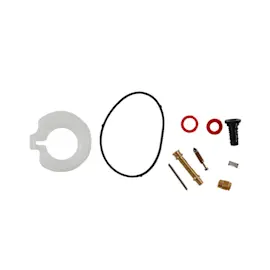
If you do not drain or properly stabilize fuel in your MTD 31AH763G401 gas snowthrower before storage, the gasoline can go stale and contaminate the fuel system. That often leads to hard starting, rough running, and clogged carburetor or fuel passages the next time you try to use it. For model-specific storage steps, follow the 31AH763G401 operator's manual.
Gasoline breaks down over time; as it ages, it can leave varnish-like deposits that restrict fuel flow. On a snowblower, that usually shows up as “starts then dies” or “won’t start” after sitting.
Common results include:
- Clogged carburetor jets and passages
- Blocked or restricted fuel line flow
- Water or dirt contamination settling in the fuel system
- Erratic engine operation (surging, hunting, stalling)
- No-start condition that looks like an ignition problem but is actually fuel-related
The troubleshooting guidance for this model points to stale fuel and blocked fuel flow as common causes of starting and running problems.
| Symptom | What it often indicates | What to do first |
|---|---|---|
| Engine fails to start | Empty tank or stale fuel | Drain old fuel; refill with fresh gasoline |
| Engine runs erratic | Stale fuel, water/dirt in fuel | Drain tank and carburetor; refill fresh fuel |
| Loss of power | Fuel cap vent blocked or fuel restriction | Clear vent; check for fuel flow |
We recommend these steps for most MTD gas snowblowers, including model 31AH763G401:
- Run the machine a few minutes to clear snow from the auger/impeller area before storing.
- Store fuel and the machine away from any open flame, spark, or pilot light.
- Dispose of old gas and oil according to local regulations.
- Use original equipment manufacturer parts when replacing fuel-system related components.
Old fuel is one of the most common reasons a snowblower needs service after storage. Preventing stale gas problems reduces carburetor cleaning, improves reliability in cold weather, and helps the engine start when you need it most.
Last updated: January 2026
What is the typical lifespan of a gas snowblower?
A gas snowblower like the MTD 31AH763G401 typically lasts 10 to 15 years with normal seasonal use and consistent maintenance. Lifespan is driven less by the engine alone and more by wear items (belts, skid shoes, shave plate) and how well the machine is stored and serviced per the 31AH763G401 operator’s manual.
- Maintenance frequency: oil checks/changes, fastener checks, and periodic adjustments
- Storage habits: clearing snow from the auger/impeller before storage and proper off-season storage
- Wear-part replacement: keeping drive and auger systems in spec instead of running worn parts
- Operating conditions: heavy, wet snow and gravel driveways increase wear
- Safety and OEM fit: using original-equipment-spec parts helps prevent premature failures
The manual calls out several components as normal wear items; replacing these on time is one of the biggest ways to reach the 10 to 15 year range.
| Wear item | What it does | Typical “replace when” sign |
|---|---|---|
| Skid shoes | Set scraper height and protect housing | Uneven wear, thin edges, poor glide |
| Shave plate | Scrapes snow at the front edge | Rounded edge, poor scraping, gouging |
| Belts | Transfer power to auger/drive | Slipping, squealing, glazing, cracking |
Model-matched examples for this snowblower include the skid shoe 784-5580 and shave plate 784-5582A.
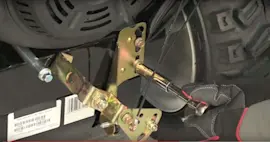
- Check clutch controls periodically and adjust if engagement feels weak
- Inspect belts and friction components regularly; replace at the first signs of cracking or heavy wear
- Before storing, run the machine a few minutes to clear snow and reduce freeze-up risk
- Store fuel and the machine away from ignition sources; follow off-season storage steps
A snowblower can “still run” but lose performance as wear parts thin out or controls drift out of adjustment. Keeping the auger/impeller system, drive system, and scraper setup in good condition helps the MTD 31AH763G401 throw snow farther, drive smoother, and avoid expensive secondary damage.
Last updated: January 2026