Owner’s manual



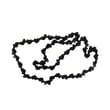
How thick of a tree can an electric chainsaw cut?
For the Remington RM1415U electric chainsaw, the practical limit is usually tied to guide bar length and power: a 12-inch bar typically handles wood up to about 10 inches in diameter when the chain is sharp and you use proper cutting technique. For safe felling steps and notch cuts, follow the RM1415U owner's manual.
What determines the maximum cut size
A chainsaw can cut larger wood than the bar length using multiple passes, but control and safety drop quickly as diameter increases.
- Guide bar length: sets how much wood you can reach in one pass.
- Chain sharpness: a dull chain cuts slowly and increases kickback risk.
- Wood type and condition: hardwoods and dirty bark cut slower.
- Technique and support: clamping or chocking the workpiece improves control.
- Power delivery: undersized extension cords can cause voltage drop and reduced cutting power.
Safe cutting guidance for larger diameters
If you are cutting near the saw’s practical limit, focus on stability and avoiding pinch.
- Keep the log off the ground so the chain does not contact dirt.
- Grip the saw firmly with both hands and keep your body clear of the chain path.
- Use clamps or chocks to secure the wood before cutting.
- Use the correct outdoor-rated extension cord and gauge for the cord length.
- Stop if the cut starts to pinch; reposition the wood rather than forcing the saw.
Quick reference: bar length vs. typical diameter
| Guide bar length | Typical practical diameter for clean cuts | Notes |
|---|---|---|
| 10-inch | Up to ~8 inches | Best for limbing and small logs |
| 12-inch (common for RM1415U setups) | Up to ~10 inches | Most efficient range |
| 14-inch | Up to ~12 inches | More reach, still needs sharp chain |
Why it matters
Staying within a realistic diameter range helps prevent chain pinch, overheating, and kickback. It also reduces strain on the drive system and helps the chain stay sharp longer.
Last updated: January 2026
What are the disadvantages of electric chainsaws?
Electric chainsaws like the Remington RM1415U trade all-day portability for convenience; the main disadvantages are cord management (or limited runtime on cordless models), reduced cutting power versus many gas saws, and the need to avoid wet conditions because of electric-shock risk. See the RM1415U owner's manual for safety and operating limits.
Common disadvantages (what you will notice first)
- Cord restrictions (corded models): You are limited by extension-cord length and you must keep the cord out of the cutting path.
- Less torque for heavy work: Many electric saws bog down faster in large hardwood, dirty wood, or long continuous cuts.
- Moisture sensitivity: Electric saws should not be used in rain or damp/wet areas.
- Power-source dependency: You need a working outlet, proper outdoor-rated extension cord, and stable power.
- Overheating on long sessions: Continuous cutting can heat the motor faster than a comparable gas saw.
Corded vs. cordless: quick comparison
| Feature | Corded electric | Cordless electric |
|---|---|---|
| Runtime | As long as power is available | Limited by battery capacity |
| Power consistency | Steady | Can drop as battery drains |
| Mobility | Limited by cord | Better mobility |
| Best use | Yard cleanup near outlets | Light trimming where cords are impractical |
Safety and maintenance downsides to plan for
Even though electric chainsaws are simpler to start, you still need to treat them like a high-risk cutting tool.
- Unplug before servicing, adjusting, or cleaning
- Keep your body clear of the moving chain and use a firm two-hand grip
- Keep bystanders and pets away from the work area and cord
- Keep the chain sharp to reduce motor strain and wear on the sprocket and guide bar
Why it matters
Knowing these disadvantages helps you match the RM1415U to the right jobs (limbing, small firewood, storm cleanup near home) and avoid common problems like tripped breakers, damaged cords, and premature wear from forcing a dull chain.
Last updated: January 2026
What happens if you run an electric chainsaw without bar oil?
Running the Remington RM1415U electric chainsaw without bar oil quickly overheats the chain and guide bar because they lose lubrication. That dry metal-on-metal contact accelerates wear, can damage the bar groove and drive components, and increases the chance of the chain binding or failing.
What you can damage (and what you may notice)
Without oil, friction and heat rise fast at the guide bar and chain. Common symptoms include:
- Chain looks dry and may discolor from heat
- Cutting slows down and you have to force the saw
- Smoke or a hot, “burnt wood” smell near the bar
- Chain tension changes quickly as parts heat up
- Excessive wear on the guide bar groove and oil slot
RM1415U oiling system basics (what to do before each cut)
This model uses an oil tank and a squeeze-bulb oiler. We recommend following the steps and oil type guidance in the RM1415U owner's manual.
- Check the oil level before you start
- Press the squeeze bulb at least once before each cut to feed oil to the bar and chain
- Recheck the oil level often during use
- Fill with the recommended oil weight for your temperature (SAE #30 is typical; lighter for cold, heavier for hot)
Quick comparison: with oil vs. without oil
| Condition | What happens | Result |
|---|---|---|
| Properly oiled chain and bar | Lubrication reduces friction and heat | Faster cutting, longer bar/chain life |
| No bar oil | Chain rubs dry on the guide bar | Rapid wear, overheating, higher failure risk |
If you already ran it dry
Stop using the saw and inspect the cutting system before running it again.
- Unplug the saw before inspecting
- Check the guide bar groove and oil slot for heavy wear or debris
- Inspect the chain for dull cutters, damaged links, or stiff movement
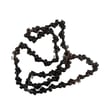
- If the chain is worn or damaged, replace it with the correct 12-inch chain such as chain, 12-in 713-04092
- If drive components are noisy or worn, inspect the sprocket and gear area; parts like ace chainsaw sprocket and drive gear assembly 717-04749 are common wear items
Why it matters
Bar oil is not fuel; it is the lubrication that protects the guide bar, chain, sprocket, and motor from heat and drag. Keeping the oil system working helps the RM1415U cut safer, smoother, and with less premature parts wear.
Last updated: January 2026
Is a 16 or 18 inch chainsaw better?
A 16-inch bar is better for control and reduced fatigue, while an 18-inch bar is better for reaching through thicker wood with fewer passes. For the Remington RM1415U electric chainsaw, use only the bar and chain sizes the manufacturer approves in the RM1415U owner's manual.
How to choose between 16-inch and 18-inch
- Choose 16-inch for limbing, pruning, and smaller firewood where maneuverability matters most.
- Choose 18-inch for larger limbs and thicker logs when you want fewer cuts per piece.
- Match bar length to the saw’s power; longer bars add load and can slow cutting if you push too hard.
- Keep chain tension and bar oiling correct; longer bars create more friction and heat.
- Use an outdoor-rated extension cord that is heavy enough for the saw’s current draw (the manual’s cord chart is the standard to follow).
Quick comparison
| What you care about | 16-inch bar | 18-inch bar |
|---|---|---|
| Best use | Limbing, pruning, general yard cleanup | Larger diameter cuts, fewer passes |
| Handling | Lighter feel, easier to control | Heavier feel, more leverage to manage |
| Cutting approach | More passes on thick wood | Fewer passes on thick wood |
| Load on motor | Lower | Higher |
Electric chainsaw tip: extension cords
Electric chainsaws like the RM1415U lose performance when voltage drops through a long or undersized cord. We follow the manufacturer’s extension-cord length and wire-gauge chart because it prevents overheating and keeps cutting power consistent.
Why it matters
The “better” bar length is the one that lets you cut without forcing the saw. Better control reduces kickback risk, helps the chain stay sharp longer, and makes it easier to maintain proper chain tension and lubrication.
Last updated: January 2026