
How to replace trimmer line bump feed?
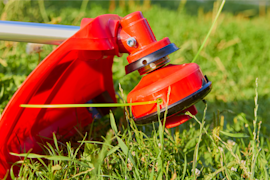
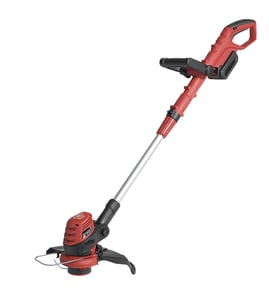
To replace bump-feed trimmer line on your Craftsman 315CR2007 19.2-V line trimmer, we cut the correct length of line, feed it through the trimmer head eyelets, center it evenly, then wind it onto the spool so it feeds smoothly when you bump the head.
Steps to reload bump-feed line
- Remove the battery pack before servicing the trimmer head.
- Clean grass and debris off the head so the spool can turn freely.
- Cut a fresh piece of trimmer line (most cordless trimmers use about 10 to 20 feet; use the same diameter line you were using before).
- Feed the line through the eyelets in the bump head until equal lengths extend from both sides.
- Wind the line onto the spool in the direction shown on the head (keep tension so it lays neatly, not crossed).
- Leave about 4 to 6 inches of line out on each side, then reassemble the cap if you removed it.
Quick checks if it will not feed after reloading
- Line is too thick: switch to the correct diameter for the head.
- Line is crossed or loose on the spool: rewind with steady tension.
- Debris jammed in the bump mechanism: clean the cap, spring area, and eyelets.
- Line ends are too short: pull a little more line out before trimming.
Typical line setup (what to aim for)
| Item | Typical range | What it affects |
|---|---|---|
| Line length to load | 10 to 20 ft | Run time between reloads |
| Line left outside head | 4 to 6 in per side | Clean cutting and easy start |
| Winding tension | Firm, even | Prevents tangles and feed jams |
Why it matters
A bump-feed head relies on a neatly wound spool and the correct line diameter. When the line is crossed, oversized, or packed with debris, the spool cannot release line consistently, so cutting performance drops and the head can jam.
For more DIY help with basic electrical testing and tool use during repairs, see how to use a multimeter to test electrical parts video.
Last updated: February 2026
Which is better, .080 or .095 trimmer line?
For a Craftsman 315CR2007 19.2-V line trimmer, .095 line is better for durability and cutting thicker weeds, while .080 line is better for lighter trimming and longer runtime. The “best” choice is the thickest line your trimmer head feeds smoothly without bogging down.
Quick comparison: .080 vs .095
| Feature | .080 trimmer line | .095 trimmer line |
|---|---|---|
| Best for | Light grass, edging, detail work | Heavier grass, weeds, rougher trimming |
| Durability | Lower | Higher |
| Cutting aggressiveness | Moderate | Higher |
| Load on motor/battery | Lower | Higher |
| Feed reliability | Usually easier to feed | Can be harder to feed in smaller heads |
How we recommend choosing for model 315CR2007
Use these practical rules to pick the right diameter:
- Choose .080 if you mostly edge sidewalks/driveways, trim around fences, or want smoother feeding.
- Choose .095 if you regularly hit thicker weeds, taller grass, or you break line often.
- If the trimmer stalls, vibrates more, or feeds poorly after switching to .095, step back to .080.
- If you are unsure what the head is designed to handle, match what was originally installed and only go up one size.
- For best performance, use fresh line; old line gets brittle and snaps more.
Why it matters
Line diameter changes how hard the trimmer works. A thicker line can cut faster and last longer, but it also increases drag, which can reduce runtime on a 19.2-V cordless trimmer and can make feeding less consistent.
Tips to get better results with either size
- Keep the line at the correct length; overly long line reduces power and runtime.
- Avoid “sawing” into thick stems; let the tip do the cutting.
- Store spare line sealed and out of heat to prevent brittleness.
For help confirming you have the correct model before ordering supplies, use how to find your appliance model number (and what it means for parts).
Last updated: February 2026
Can I use .095 trimmer line in a .080 trimmer?
Yes, you can usually run .095-inch trimmer line in a trimmer designed for .080-inch line, but on a battery model like the Craftsman 315CR2007 it adds load. Expect shorter runtime, slower spool-up, and a higher chance of feed issues if the head was designed around .080.
What changes when you go from .080 to .095
Thicker line is tougher and lasts longer, but it takes more torque to spin and more force to advance.
- More cutting power on thick weeds and edging
- More battery drain and heat buildup in the motor
- More vibration if the line is not wound evenly
- More feed resistance in bump-feed or auto-feed heads
- More stress on the spool, eyelets, and head housing
How to try it safely on the 315CR2007
We recommend testing in short sessions so you can confirm the head feeds correctly and the motor is not bogging down.
- Start with a shorter line length (do not over-extend past the guard)
- Wind the spool tight and even; loose wraps jam more easily with thicker line
- Cut mostly grass first, then move to heavier weeds
- If the head stops feeding, switch back to .080 rather than forcing the bump mechanism
- Let the trimmer cool if the head or motor area feels hot
Quick comparison
| Line size | Best for | Tradeoff on a 19.2 V trimmer |
|---|---|---|
| .080 in | Grass, light weeds | Best runtime and easiest feeding |
| .095 in | Heavy weeds, thicker stems | More drag; can reduce runtime and feeding reliability |
Why it matters
Line diameter affects how hard the motor works and how reliably the spool feeds. Using the thickest line the head can handle helps cutting performance, but using the correct size helps protect the trimmer head and keeps runtime consistent.
For help confirming you have the correct model number before buying line or parts, use how to find your appliance model number (and what it means for parts).
Last updated: February 2026
What is the lifespan of a line trimmer?
A line trimmer’s lifespan is best measured in hours of use. Most trimmers last about 300 to 600 hours with normal homeowner use and routine care; heavier-duty or commercial-grade units often reach 900 to 1,200 hours when maintained well. For the Craftsman 315CR2007 (19.2-V) line trimmer, consistent battery and cutting-head maintenance is what most directly extends service life.
Typical lifespan ranges (what to expect)
Use hours as the most reliable comparison, since “years” varies widely by yard size and trimming frequency.
- Light homeowner use: ~150 to 300 hours
- Typical homeowner use: ~300 to 600 hours
- Heavy use (frequent, tough weeds): ~600 to 900 hours
- Commercial-style expectations (with strong maintenance): ~900 to 1,200+ hours
| Usage pattern | What wears fastest | What extends life most |
|---|---|---|
| Light, occasional edging | Line spool and guard area | Cleaning after use, correct line size |
| Weekly trimming | Spool, bump/auto-feed parts, motor cooling paths | Avoiding overload, keeping vents clear |
| Heavy weeds, long sessions | Battery pack, feed system, motor | Shorter passes, cool-down breaks |
What shortens a trimmer’s life fastest
- Running the head continuously in thick weeds until the motor bogs down
- Letting grass wrap around the head and shaft (heat and drag increase)
- Using the wrong line diameter or poor-quality line that jams the feed
- Storing batteries fully discharged or in extreme heat/cold
- Skipping basic cleaning so debris blocks cooling airflow
Maintenance that adds the most hours
- Clean the cutting head, guard, and vents after each use
- Replace line before it gets too short to feed smoothly
- Keep the head straight and avoid “digging” into soil or rocks
- Let the trimmer cool during long jobs (especially in hot weather)
- Store the battery indoors, dry, and at a moderate temperature
Why it matters
Knowing the expected hour range helps you decide whether a performance issue is normal wear (line feed, head wear, battery decline) or a fixable problem like debris buildup, overheating, or a wiring/connection issue.
For safe DIY checks on electrical components, we recommend our how to use a multimeter to test electrical parts video.
Last updated: February 2026