Owner’s manual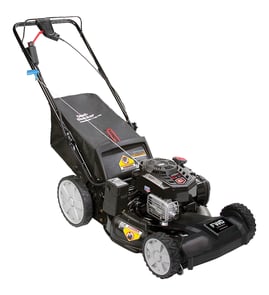
Should I use 87 or 89 gas for lawn mower?
For the Craftsman 247375590 self-propelled lawn mower, use clean, fresh unleaded gasoline; 87-octane regular is the right choice for normal operation. Higher octane (89) does not improve performance in typical small mower engines, but fresh fuel and proper storage practices do.
What the manual recommends for fuel
Our guidance for this model follows the fuel instructions in the 247375590 owner's manual:
- Use clean, fresh unleaded automotive gasoline
- Avoid stale fuel; gasoline older than about 30 days can cause starting and running problems
- Use a fuel stabilizer to extend fuel life
- For storage of 30 days or longer, run the engine until the fuel system is empty
87 vs 89: what changes and what does not
In most walk-behind mower engines, octane is mainly about preventing knock under high compression. If your mower is running normally, moving from 87 to 89 typically does not add power or make it “run cleaner.” Fuel freshness matters more than octane.
| Fuel choice | When it makes sense | What you should expect |
|---|---|---|
| 87 (regular) | Everyday mowing | Normal starting and performance |
| 89 (mid-grade) | Only if you are troubleshooting knock after confirming correct operation | Usually no noticeable change |
Quick fuel checklist (best results)
- Buy fuel in small quantities so it gets used quickly
- Keep the gas can sealed and clean (no rust, dirt, or water)
- Do not top off with old fuel; drain and refill with fresh if the mower sat
- If the mower will sit, treat fuel with stabilizer and follow the storage steps in the manual
Why it matters
Old or contaminated gasoline is one of the most common causes of “won’t start,” surging, and poor power on a gas walk-behind mower. Using 87-octane fresh fuel helps protect the carburetor and keeps the mower reliable through the season.
Last updated: February 2026
What is the best month to buy a lawn mower?
For a Craftsman walk-behind mower like model 247375590, the best time to buy is typically late summer through winter, with the deepest discounts most often showing up in September and October (end-of-season clearance) and January and February (closeouts on remaining inventory). Check the 247375590 owner's manual to confirm the exact features you want so you can compare models and avoid paying extra for options you will not use.
Best months (and why)
- September to October: retailers clear out current-season gas walk-behind mowers to make room for fall and winter inventory.
- January to February: final closeouts; prices can be very low, but selection is usually limited.
- November: holiday promotions can be strong, especially on remaining inventory.
- May to June: peak mowing season; selection is best, but prices are usually higher.
Quick timing guide
| When you buy | Typical price | Typical selection | Best for |
|---|---|---|---|
| Sep to Oct | Lowest | Medium | Best overall value |
| Jan to Feb | Very low | Low | Bargain hunters who are flexible |
| Spring (Apr to Jun) | Higher | Highest | Specific features, deck size, or brand preference |
How to shop smart for a gas walk-behind mower
- Decide whether you need self-propel drive, bagging, or mulching.
- Match the mower to your yard: slope, obstacles, and typical grass height.
- Budget for wear items and tune-up parts each season (blade, air filter, spark plug, oil).
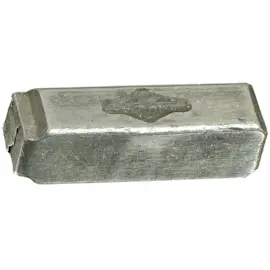
- If you already own model 247375590, consider refreshing key parts instead of replacing the whole mower; for example, a worn blade adapter can affect cut quality.
Why it matters
Buying at the right time can save money, but buying the right mower saves time every week. A mower that matches your yard and cutting habits (mulching vs bagging) delivers a cleaner cut and reduces clogging and vibration.
Last updated: February 2026
How to find Craftsman model number?
On the Craftsman walk-behind mower model 247375590, the model number is printed on the model plate; you can find it by looking down at the rear of the mower deck. Copy both the model number and serial number from that plate for parts lookup and service records.
Where to look on model 247375590
- Stand behind the mower on a flat surface.
- Look down at the rear of the deck for the model plate.
- Wipe off grass and dirt so the numbers are readable.
- Write down the model number and serial number exactly as shown.
- Keep the numbers with your paperwork or store them with your owner's manual.
What the model plate info is used for
| What you need | Why it matters | Example (yours will vary) |
|---|---|---|
| Model number | Ensures you get the correct diagrams and parts list | 247375590 |
| Serial number | Helps match production details and correct revisions | Letters and numbers |
Why it matters
Many Craftsman mower parts look similar across model families, but small differences in the deck, drive system, or handle hardware can change the exact part you need. Using the model plate number helps us match the correct parts list for your mower.
Last updated: February 2026
What are the common problems with Craftsman lawn mowers?
Common problems on the Craftsman 247375590 self-propelled lawn mower include no-start or hard-start conditions (often fuel, spark plug, air filter, or carburetor related), poor cutting or mulching (wet grass, dull or bent blade), and drive issues where the mower will not propel correctly. Our 247375590 owner's manual troubleshooting chart covers these symptoms and the fastest checks.
Most common symptoms and what usually causes them
- Engine will not start: blade control not engaged, spark plug wire loose, old fuel, restricted fuel flow, dirty air cleaner
- Starts then runs poorly (idle skip, hesitation): fouled or mis-gapped spark plug, dirty air cleaner, carburetor adjustment
- Overheating: low engine oil, restricted airflow around the engine shroud
- Excessive vibration: loose blade hardware, unbalanced blade, bent blade
- Won’t mulch or leaves clumps: engine speed too low, wet grass, grass too tall, dull blade
- Uneven cut: wheels set at different heights, dull blade
Quick checks we recommend first (in order)
- Safety and controls: confirm you are squeezing the blade control handle; then attach the spark plug wire securely.
- Fuel: drain stale gas and refill with clean, fresh gasoline; make sure the tank vent is clear.
- Air and spark: clean the air cleaner; check the spark plug condition and set the gap to 0.030 in.
- Cut quality: avoid cutting wet grass; raise cutting height if the deck is clogging.
- Vibration: inspect the blade and adapter area; tighten hardware and replace a bent blade.
Drive and self-propel problems (won’t move or weak pull)
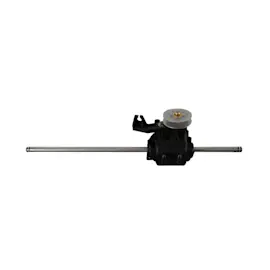
Self-propel issues are usually caused by a stretched drive cable, worn drive components, or a slipping pulley.
| Symptom | What to inspect | Typical fix |
|---|---|---|
| Mower won’t move | Drive cable, drive pulley, wheels | Adjust or replace worn parts |
| Moves slowly | Cable tension, debris in drive area | Clean and adjust |
| Jerky motion | Worn wheel components | Replace wheel/drive parts |
Model-matched parts that commonly relate to drive and handling include the drive cable 746-0960 and drive pulley 756-1146.
Why it matters
Most “common problems” trace back to basic maintenance. Fresh fuel, a clean air filter, correct spark plug gap, and a sharp blade prevent no-start complaints, overheating, and poor mulching, and they also reduce wear on the self-propel drive.
Last updated: February 2026
What is the most powerful walk-behind a mower?
There is no single “most powerful” walk-behind mower across all brands because power is measured in different ways (engine displacement, torque, blade tip speed, or battery watts). For your Craftsman 247375590 self-propelled mower, the best choice is the mower that safely delivers clean cutting and steady self-propelled drive for your yard size, using the operating limits in the 247375590 owner's manual.
How to compare “power” the right way
When shoppers say “most powerful,” they usually mean one of these. Compare mowers using the same metric.
- Gas engine size (cc): higher cc often means more load-handling in thick grass.
- Torque: helps keep blade speed from bogging down.
- Blade tip speed: affects cut quality and discharge performance.
- Drive system strength: matters for hills and self-propelled performance.
- Deck design and airflow: baffles and blade shape can matter as much as raw power.
Safety limits that matter more than maximum power
More power is only useful if you can control it safely.
- Keep children and bystanders at least 75 feet away while mowing.
- If you slip, release the blade control handle immediately; the blade should stop within about 3 seconds.
- Do not mow slopes steeper than 15 degrees; walk-behind mowers should be operated across the face of slopes, not up and down.
Quick comparison table: common “power” claims
| What you see advertised | What it really tells you | Best for |
|---|---|---|
| Engine cc (gas) | Potential load capacity | Tall, thick, or wet-prone lawns (avoid mowing wet grass) |
| Watts/volts (battery) | Electrical system capacity | Noise-sensitive areas, lighter routine mowing |
| “Commercial grade” | Build and duty cycle | Frequent mowing, larger properties |
| Self-propelled features | Traction and drive assist | Hills, uneven terrain |
If your Craftsman 247375590 feels underpowered
These issues often mimic “low power” even when the engine is fine.
- Clean grass buildup under the deck; packed clippings reduce airflow.
- Sharpen or replace the blade; a dull blade tears grass and loads the engine.
- Check the drive system adjustment if the mower struggles to move under load.
- Inspect the blade mounting hardware; a worn adapter can cause vibration and poor cutting.
Helpful parts commonly involved include the blade adapter 748-0411 and drive components like the drive cable 746-0960.
Why it matters
Choosing “most powerful” can push you into an oversized mower that is harder to control on slopes and around obstacles. Matching power to your grass type, terrain, and safe operating limits gives better cut quality and fewer breakdowns.
Last updated: February 2026