 Owner’s manual
 View engine
Are gas lawn mowers being phased out?
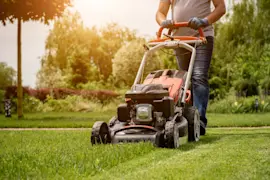
Gas walk-behind mowers like the Craftsman 917388400 are not being phased out everywhere at once, but the market is steadily shifting toward battery-electric models due to emissions rules in some areas and customer demand for quieter, lower-maintenance equipment. Gas mowers remain widely supported for parts and service.
What this means for Craftsman 917388400 owners
You can keep this rotary lawn mower running for years with routine maintenance and the right replacement parts. The owner documentation also emphasizes safe operation and basic upkeep, such as cleaning the deck and disconnecting the spark plug wire before service; see the 917388400 owner's manual.
Common ownership takeaways:
- You will still find core maintenance items (blades, blade adapters, belts, wheels, spark plugs, oil) for many seasons.
- Local rules may affect new gas mower sales more than existing mower ownership.
- Repairing a gas mower is often cost-effective when the deck and engine are in good shape.
- Proper storage (especially fuel care) helps prevent hard-start and carburetor issues.
Practical maintenance that keeps a gas mower viable
For a typical gas walk-behind mower, these habits do the most to extend service life:
- Clean grass buildup from the underside of the mower deck after use (avoid spraying water into the engine area).
- Change engine oil on schedule and keep the correct oil level.
- Replace or clean the air filter regularly.
- Inspect and sharpen the blade; replace it if bent or cracked.
- Use fresh fuel and stabilize fuel for off-season storage.
Helpful DIY reading:
Parts you may replace most often
These are common wear or damage items for this model family:
| Part | What it affects | Typical symptom when worn |
|---|---|---|
| Control cable 532168552 | Engine stop/start control | Engine will not keep running, control feels loose |
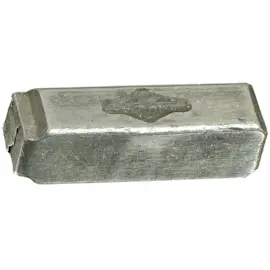
| Lawn mower blade adapter 581547901 | Blade mounting and drive | Vibration, blade loosens, uneven cut |
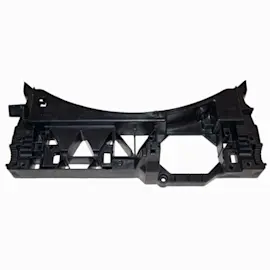
| Discharge guard 589482402 | Discharge safety and direction | Missing or damaged guard, unsafe discharge |
Why it matters
Even as electric mowers grow in popularity, a well-maintained gas mower like the Craftsman 917388400 stays dependable, easy to refuel, and straightforward to repair. Knowing which rules apply in your area helps you plan future purchases without abandoning a mower that still performs well.
Last updated: January 2026
Is it okay to pull a self-propelled mower backwards?
Yes, it’s generally okay to pull a self-propelled Craftsman mower like model 917388400 backward for repositioning. The key is safety: never mow by pulling the mower toward you, and keep the engine and blade stopped any time you’re clearing, inspecting, or adjusting the mower.
Safe way to back up a self-propelled mower
Use these habits to avoid injury and prevent drive system wear:
- Release the self-propel/drive control so the wheels can freewheel.
- Keep the mower behind you; do not pull it toward your body while cutting.
- Back up only far enough to reposition, then resume forward mowing.
- If you need to reach under the deck or clear debris: stop the engine, wait for all moving parts to stop, then disconnect the spark plug wire.
- Avoid backing up on slopes or uneven ground; maintain solid footing.
For model-specific operating and safety rules, follow the 917388400 owner's manual.
When backing up can cause problems
Pulling backward is fine for short moves, but these situations commonly lead to issues:
- Drive control still engaged (can make the mower harder to pull and stress the drive)
- Wet or thick grass buildup under the deck (adds drag and can affect self-propel performance)
- Abnormal vibration after hitting an object (stop and inspect before continuing)
- Damaged or missing discharge/mulch guarding (do not operate until corrected)
If your mower’s rear discharge area is damaged or not staying protected, check the discharge guard 589482402 and related hardware.
Quick do and don’t table
| Action | Recommended? | Why |
|---|---|---|
| Pull backward to reposition with drive released | Yes | Normal maneuvering |
| Pull backward while actively mowing toward you | No | Unsafe; manual warns against it |
| Clear clogs with engine running | No | Blade and moving parts hazard |
| Inspect after striking a foreign object | Yes | Prevents damage and vibration issues |
Why it matters
Self-propelled mowers are designed to cut while moving forward with you walking behind the handle. Backing up briefly is normal, but pulling the mower toward you while cutting increases the risk of contact with the blade area and debris discharge.
Last updated: January 2026
What's the average lifespan of a lawn mower?
A gas walk-behind mower like the Craftsman 917388400 typically lasts 8 to 15 years with normal homeowner use. Consistent maintenance (oil changes, cleaning the deck, and keeping the engine from overheating) is what most often determines whether you land closer to 8 years or 15.
What extends the life of a Craftsman 917388400 mower
Use the maintenance and storage steps in the 917388400 owner's manual as your baseline. The biggest life-extenders are simple, repeatable habits:
- Change engine oil every 25 hours of operation or at least once per year
- Check crankcase oil level before starting and after about 5 hours of continuous use
- Clean built-up grass and debris from the underside of the mower housing after each use
- Keep the engine area clear; a clogged engine runs hotter and shortens engine life
- Store the mower clean and dry if it will sit 30 days or more
Quick maintenance schedule (typical)
| Task | Typical interval | Why it matters |
|---|---|---|
| Check engine oil level | Before each mow | Prevents low-oil engine damage |
| Change engine oil | Every 25 hours or yearly | Reduces wear and heat |
| Clean underside of deck | After each use | Improves cut quality and airflow |
| Inspect fasteners and wear items | Monthly in season | Prevents vibration damage |
Parts that commonly wear out first
Most mowers reach end-of-life because a few wear items are ignored until they cause bigger problems. These are common on walk-behind mowers:
- Blade adapter (wear can cause vibration and poor cutting)
- Belts (if equipped with a drive system)
- Control cable (stretching or binding affects safe operation)
- Grass bag and discharge components (tears, cracking, or missing hardware)
If you are replacing a worn blade-mount component on this model, the lawn mower blade adapter 581547901 is a common related part.
Why it matters
A mower that is kept clean, properly lubricated, and stored correctly runs cooler and with less vibration. That directly reduces engine wear, deck corrosion, and premature failure of parts like belts, cables, and blade-mount hardware.
Last updated: January 2026