Owner’s manual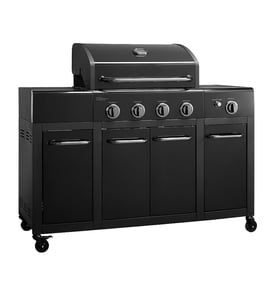


Is it worth fixing a gas grill?
Yes, it’s usually worth fixing a Char-Broil gas grill model 463225314 when the problem is limited to normal wear parts (burners, ignition, heat plates, grates) and the firebox and lid are still structurally solid. Repairs typically restore safe ignition and even heat for far less than replacing the entire grill.
We recommend repairing when the grill’s core structure is sound and the issue matches common service items.
- Burners are clogged, rusted through, or heating unevenly
- Ignition is clicking but not lighting, or not sparking at all
- Flames are uneven because the carryover path is blocked
- Heat is low due to airflow restrictions or dirty internals
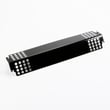
- Grates or heat plates are deteriorated but the cookbox is intact
Helpful reference: 463225314 owner's manual
If the grill body is failing, parts replacement will not solve the underlying safety and performance issues.
- Firebox is cracked, warped, or has severe rust-through
- Lid no longer seals or is badly deformed
- Grease management is compromised (tray/cup area damaged) and flare-ups are frequent
- You cannot keep the grill leak-free after tightening connections and testing
| What you see | What it usually means | Best next step |
|---|---|---|
| Yellow, lazy flames | Dirty burners or poor ventilation | Clean burners and firebox; recheck flame |
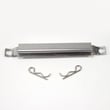
| One burner lights, others don’t | Carryover tube issue | Inspect/replace carryover tube |
| No spark at electrodes | Igniter/module/battery issue | Check battery, wiring, then replace ignition parts |
| Low heat on all burners | Regulator flow issue or tank/valve problem | Reset regulator, verify tank valve fully open |
These are typical high-impact replacements for this model when symptoms match.
- Char-broil gas grill main burner G517-7300-W1 for rusted or uneven flames
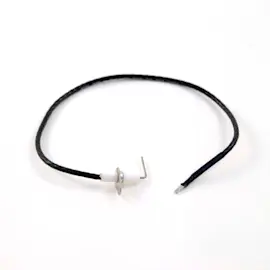
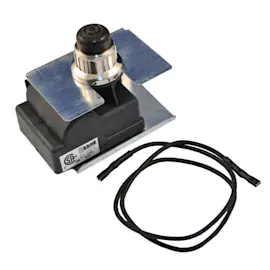
- Gas grill ignition module G515-0030-W2 for multi-burner ignition failures
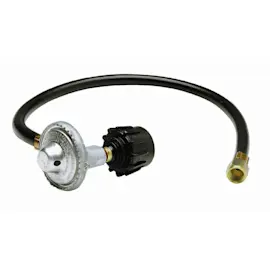
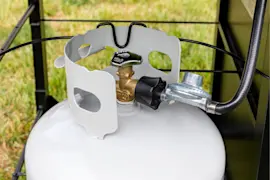
- Char-broil gas grill regulator and hose G519-R800-W1 when gas delivery is inconsistent (replace, do not modify)
A “cheap fix” is only worth it if the grill stays safe. The manual emphasizes keeping proper clearances (at least 3 ft from walls), never lighting with the lid closed, and performing leak checks; if bubbles grow during a leak test, the correct fix is replacing parts, not repairing or altering the hose/valve/regulator assembly.
Last updated: January 2026
What is the average lifespan of a gas grill?
A typical gas grill lasts 5 to 15 years with normal use and routine cleaning; higher-end grills can reach around 20 years when they are kept clean and key wear parts are replaced as needed. For model 463225314, following the safety and maintenance steps in the 463225314 owner's manual helps maximize service life.
- Heat and grease exposure: grease buildup accelerates corrosion and flare-ups.
- Burner condition: clogged or rusted burners cause uneven heat and hard starts.
- Regulator and hose health: worn or leaking fuel components shorten usable life.
- Storage and weather: rain, salt air, and winter storage drive rust.
- Cleaning frequency: cleaning after cookouts slows deterioration.
The manual emphasizes safe operation and regular inspection. These habits make the biggest difference:
- Check burner flames regularly and keep burner ports clear.
- Inspect hoses for cuts, kinks, or wear before each use.
- Perform a leak test when you reconnect the LP cylinder.
- Empty the grease tray or cup after each use (once fully cool).
- Clean the inside of the lid and firebox with detergent and water; avoid harsh cleaners on painted or plastic parts.
| Part type | Typical replacement frequency | What you notice first |
|---|---|---|
| Burners and carryover tube | Every few years | Uneven heat, weak flame, ignition trouble |
| Ignition parts | Every few years | Clicking but no spark, intermittent lighting |
| Regulator and hose | As needed | Low heat, gas smell, failed leak test |
| Lid and cabinet panels | Often last longer | Rust-through, warping, loose hardware |
A grill that is cleaned, leak-tested, and kept clear of grease runs hotter and more evenly, and it also reduces the chance of flare-ups and fuel-system problems. The manual also warns not to repair or modify the hose, valve, or regulator; replacing worn components is the safe way to keep the grill operating reliably.
Last updated: January 2026
How do I find the model number on my 463225314?
The model number is printed on the grill’s rating label; on Char-Broil model 463225314, it’s typically on the cart frame or inside the cabinet area. Match the full number on the label to the parts list and diagrams in the 463225314 owner's manual.
Check these common label locations first:
- Inside the cart cabinet, on a side panel near the LP tank area
- On the back of the cart frame or rear panel
- Under a side shelf or near the control panel support brackets
- Near the firebox support rails (around the grease tray area)
Use the exact characters from the label (not the name on the lid). You may see:
- Model number: 463225314
- A date code (example formats vary)
- A manual or document number (often printed near the model)
| Label item | What to use for parts lookup | Example |
|---|---|---|
| Model number | Use this first | 463225314 |
| Serial/date code | Helpful for age, not required for most parts | Varies |
| Document number | Helps confirm you have the right manual | Varies |
Parts like the main burner, igniter, and regulator and hose can look similar across grills, but mounting holes, tube lengths, and valve fittings vary by model. Using the exact model number helps ensure the replacement part fits and installs correctly.
Last updated: March 2026