
What is the most common part to fail on a furnace?
On a gas furnace like the Thermal Zone GM072K12B, the most common failure item is the hot surface igniter (also called an ignitor). It heats up every time the furnace starts to light the burners, and that repeated heating and cooling makes it one of the first parts to crack or burn out.
Why the igniter fails so often
The igniter is a wear item in the ignition system; it runs hot and is physically fragile.
Common causes include:
- Normal aging from repeated heat cycles
- Hairline cracks from vibration or handling
- Overheating from restricted airflow (dirty filter, closed registers)
- Electrical issues (loose connections, incorrect voltage)
- Contamination (dust, lint, or residue on the igniter surface)
Quick checks you can do before replacing parts
Turn off power to the furnace at the breaker before inspecting anything.
- Confirm the thermostat is calling for heat (set temperature higher than room temp)
- Check the furnace door switch is fully engaged (panel seated correctly)
- Look for a visible crack or white spot on the igniter
- Watch the startup sequence: inducer runs, then igniter should glow, then gas valve opens
- If you have a meter, test safely for power to the igniter during ignition
For electrical testing basics, we use these guides: how to use a multimeter to test electrical parts video and how to tell if a fuse is blown.
Common furnace parts that also fail (and what they do)
| Part | What it does | Typical symptom when it fails |
|---|---|---|
| Hot surface igniter | Lights the burners | No heat; burners never light |
| Flame sensor | Proves flame is present | Burners light briefly then shut off |
| Pressure switch | Confirms venting/inducer airflow | Furnace won’t ignite; short cycling |
| Control board | Manages the sequence of operation | Intermittent operation; no start |
| Blower motor/capacitor | Moves warm air through ducts | Weak airflow; overheating shutdown |
Why it matters
A failing igniter stops heat completely, and repeated failed ignition attempts can lead to nuisance lockouts. Catching the problem early helps protect the control board, gas valve operation, and overall heating reliability.
Last updated: February 2026
What is the most expensive part to fix on a furnace?
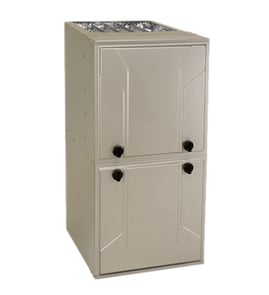
On a Thermal Zone gas furnace like model GM072K12B, the heat exchanger is typically the most expensive component to repair or replace because it is central to safe heat transfer and often requires significant labor. Other high-cost repairs commonly involve the blower system or the control board.
Most expensive furnace repairs (typical)
Costs vary by furnace size, accessibility, and labor rates, but these are the parts that most often drive the highest total repair bills:
- Heat exchanger (often the highest total cost)
- Blower motor or blower assembly
- Furnace control board (integrated furnace control)
- Gas valve
- Inducer motor (draft inducer)
Typical cost ranges by part
These are common ballpark ranges for parts plus labor on many residential gas furnaces:
| Part | Why it gets expensive | Typical total cost range |
|---|---|---|
| Heat exchanger | Major disassembly, safety-critical | $500 to $1,500+ |
| Blower motor | High labor, may require matching specs | $400 to $1,200 |
| Control board | Diagnostic time, electrical troubleshooting | $300 to $650 |
| Gas valve | Fuel-safety component, setup and testing | $200 to $1,000 |
| Inducer motor | Venting and pressure-switch verification | $300 to $900 |
How we recommend deciding: repair vs. replace
Use these practical checks before investing in a major repair:
- Age of the furnace: If it is 15 to 20 years old, major repairs often do not pay back.
- What failed: A control board or blower motor is usually more reasonable than a heat exchanger.
- Repeat breakdowns: Multiple failures in one season point to broader wear.
- Efficiency goals: Older furnaces may cost more to run even after repair.
- Parts identification: Always match parts by the exact model number GM072K12B.
Why it matters
The most expensive furnace repairs are usually expensive for two reasons: the part is critical to combustion safety (heat exchanger, gas valve) and the job requires extensive teardown and verification (airflow, venting, ignition, and controls). If you are troubleshooting electrical components, our how to use a multimeter to test electrical parts video helps you confirm power and continuity before replacing parts.
Last updated: February 2026
How to find furnace part number?
For your Thermal Zone gas furnace model GM072K12B, the fastest way to get the correct furnace part number is to first record the furnace model number and serial number from the rating plate, then use that information to match the exact part in the parts list for your unit.
Where to look on the furnace
On most upflow furnaces like the Thermal Zone GM072K12B, the rating plate is usually inside the cabinet. Check these common spots:
- Inside the blower compartment door (often on an inside wall)
- On the left or right interior cabinet wall near the burners
- Near the gas valve or burner box area (use a flashlight)
- On the back of the removable front panel
- Occasionally on the exterior side panel
What information to write down
When you find the label, copy the details exactly. This prevents ordering the wrong igniter, flame sensor, control board, or pressure switch.
- Model number (example: GM072K12B)
- Serial number
- Input rating (BTU) and fuel type (natural gas or LP)
- Electrical rating (typically 115V)
Quick checklist (before you search parts)
- Turn off power at the furnace switch or breaker
- Remove the access panel carefully
- Take a clear photo of the rating plate
- Take a photo of the failed part and its sticker (if present)
How part numbers usually appear
Furnace parts can be labeled in a few different ways. Use the most specific identifier you see.
| What you see on the part | What it means | What to do |
|---|---|---|
| Manufacturer part number | Best match for ordering | Search using that number first |
| Control board number | Board-specific identifier | Match by model and board number |
| Generic description only | Not enough to order | Use model number to look up the correct part |
Why it matters
Many furnace parts look similar but differ by voltage, connector style, or pressure rating. Matching by GM072K12B plus the part label helps ensure correct fit and safe operation.
For help confirming you have the right model number format before searching, use how to find your appliance model number (and what it means for parts).
Last updated: February 2026
Is it worth fixing a 20 year old furnace?
For a Thermal Zone gas furnace like model GM072K12B, a 20-year-old unit is typically not worth putting significant money into; at that age, repairs tend to stack up and efficiency is usually well below newer furnaces. Small, low-cost fixes can make sense if the heat exchanger is sound and the furnace is otherwise safe.
How we decide: repair vs. replace
Use these practical checkpoints to decide whether a repair is worth it:
- Repair cost vs. replacement: if a single repair is a large expense, replacement usually wins.
- Frequency of breakdowns: repeated no-heat calls in one season point to end-of-life.
- Safety-related symptoms: soot, strong gas odor, or repeated rollout or limit trips mean stop and have it checked.
- Comfort issues: uneven heat, long run times, or short cycling often indicate declining performance.
- Parts availability: older furnaces can be harder to match with exact controls, sensors, or inducer components.
What repairs are usually “worth it” on an older furnace
These are common, contained repairs that can restore heat without turning into a major rebuild:
| Repair type | Typical scope | When it makes sense |
|---|---|---|
| Ignition system service | Clean/replace igniter or flame sensor, verify grounding | Furnace lights inconsistently but otherwise runs normally |
| Airflow maintenance | Replace filter, clear return/supply restrictions, clean blower area | Overheating, limit trips, weak airflow |
| Electrical diagnosis | Tighten connections, test switches, verify low-voltage circuit | Intermittent operation, no response to thermostat |
| Minor control/safety part replacement | Pressure switch, limit switch, door switch (as applicable) | A single failed safety is confirmed by testing |
For safe testing practices, we use a meter and follow basic electrical checks like in how to use a multimeter to test electrical parts video.
What usually is not worth it at 20 years
These repairs often signal you are near replacement time:
- Heat exchanger concerns (cracks, corrosion, or confirmed leakage)
- Multiple major components failing in the same season (inducer motor, blower motor, control board)
- Chronic overheating that returns after airflow fixes
- Rust or water damage inside the burner or blower compartments
Why it matters
A furnace this old can still run, but the risk is paying for repeated repairs while getting lower efficiency and less reliable heat. Putting money into targeted, verified fixes is smart; investing heavily into a 20-year-old platform usually is not.
Last updated: February 2026