 Owner’s manual




What is the average lifespan of a Goodman AC unit?
A Goodman central AC outdoor unit like model CKL36-1H typically lasts 12 to 15 years. With correct installation, clean airflow, and yearly maintenance, many systems reach 15 to 20 years before major repairs (like a condenser fan motor or contactor) become more common.
Typical lifespan ranges (what to expect)
Most split-system outdoor units fall into these ranges:
| Condition | Typical lifespan | What you usually see |
|---|---|---|
| Average use and basic maintenance | 12 to 15 years | Normal wear, occasional electrical or fan issues |
| Good installation and annual service | 15 to 20 years | Fewer breakdowns, better efficiency retention |
| Harsh conditions (coastal air, heavy runtime, dirty coils) | 8 to 12 years | Corrosion, overheating, frequent part failures |
What shortens or extends AC life
These factors have the biggest impact on how long a Goodman AC lasts:
- Outdoor coil cleanliness: dirty coils raise head pressure and heat, stressing the compressor.
- Airflow and filtration: restricted indoor airflow can cause longer run times and higher load.
- Electrical health: pitted contacts, loose wiring, and weak capacitors increase wear.
- Fan performance: a failing fan motor or damaged blade can cause overheating and shutdowns.
- Refrigerant charge and leaks: low charge reduces cooling and can damage the compressor.
Parts that commonly need replacement as the unit ages
On an older outdoor unit, these repairs are among the most common:
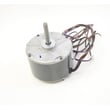
- Condenser fan motor: if the fan won’t start, runs slow, or overheats, check the condenser fan motor B13400251S.
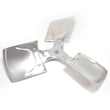
- Condenser fan blade: if the blade is bent, cracked, or wobbling, replace the condenser fan blade B1086771S.
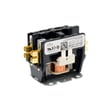
- Contactor: if the outdoor unit won’t pull in reliably or chatters, the contactor CONT2P025024VS is a frequent fix.
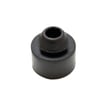
- Grommets and vibration isolators: worn mounts can increase noise and vibration; see the grommet B1339530.
Why it matters
Once an AC reaches the 12 to 15 year mark, efficiency and reliability usually drop. Proactive maintenance and timely replacement of wear parts (fan components and electrical controls) helps prevent overheating, nuisance shutdowns, and expensive compressor damage.
Where to confirm maintenance and service details
For model-specific service notes, wiring references, and component identification, use the owner's manual.
Last updated: February 2026
What are the 5 main parts of AC?
The 5 main parts of an air conditioner are the compressor, condenser coil, expansion device, evaporator coil, and the air-moving fan system. On a Goodman CKL36-1H split-system outdoor unit, the compressor and condenser-side airflow parts are in the outdoor cabinet; the evaporator coil is typically in the indoor section. See the system overview and wiring diagrams in the CKL36-1H owner's manual.
The 5 main AC parts (what each one does)
- Compressor: Pumps refrigerant through the system and raises pressure and temperature.
- Condenser coil: Releases heat outdoors as refrigerant condenses back to a liquid.
- Expansion device (TXV or fixed orifice): Drops refrigerant pressure so it can absorb heat indoors.
- Evaporator coil: Absorbs heat from indoor air as refrigerant evaporates.
- Fan system (air movers): Moves air across coils; includes the indoor blower and the outdoor condenser fan.
Parts you will commonly replace on the outdoor unit
If your Goodman CKL36-1H is not cooling well, is noisy, or will not start, these outdoor-unit parts are common suspects:
- Central air conditioner contactor CONT2P025024VS (switches high voltage to the compressor and fan)
- Central air conditioner condenser fan motor B13400251S (spins the outdoor fan)
- Central air conditioner condenser fan blade B1086771S (moves air through the condenser coil)
- Grommet B1339530 (helps isolate vibration and protect wiring or tubing where it passes through metal)
Quick symptom-to-part guide
| Symptom | Most likely area | Common outdoor-unit part to check |
|---|---|---|
| Outdoor unit will not start | Electrical control | Contactor |
| Loud humming, fan not spinning | Condenser airflow | Fan motor, fan blade |
| Rattling or vibration noise | Mounting and isolation | Grommet, fan blade |
| Runs but cools poorly | Heat rejection | Condenser coil cleanliness, fan motor/blade |
Why it matters
These five components work as a loop; if airflow is weak (fan motor/blade) or switching is unreliable (contactor), the compressor and coils cannot move heat efficiently. That can lead to poor cooling, higher energy use, and nuisance shutdowns.
Last updated: February 2026
What are the common problems with Goodman AC units?
Common problems we see with Goodman split-system outdoor units like model CKL36-1H include not cooling well, the outdoor fan not running, frequent breaker trips, buzzing or clicking at the condenser, and reduced airflow from the home’s vents. Many issues trace back to dirty coils, electrical wear parts, or a failing fan motor.
Most common symptoms and what they usually mean
- Not cooling or weak cooling: dirty condenser coil, low refrigerant (leak), restricted airflow, or a failing compressor
- Outdoor unit hums but fan does not spin: failing fan motor or a mechanical obstruction
- Clicking or chattering from the outdoor unit: worn contactor points or low-voltage control issues
- Breaker or disconnect trips: shorted wiring, failing motor, or a failing electrical component
- Rattling or vibration: loose panels, debris in the fan area, or a damaged fan blade
Quick checks you can do safely
Turn power off at the disconnect before inspecting the outdoor unit.
- Confirm the thermostat is calling for cooling and set to COOL
- Replace or clean the indoor air filter (restricted airflow can mimic an outdoor problem)
- Clear leaves and debris from around the condenser; keep at least 24 inches of clearance
- Look for obvious damage: burnt wires, loose spade connectors, oil stains near refrigerant lines
- If the fan blade is bent or wobbling, stop using the unit to prevent motor damage
Parts that commonly cause “no cool” or “fan not running”
If your CKL36-1H has power but the outdoor section will not start or the fan will not run, these model-listed parts are common suspects:
| Symptom | Likely part area | Example part for this model |
|---|---|---|
| Outdoor fan not spinning | Fan motor or blade | Central air conditioner condenser fan motor B13400251S or central air conditioner condenser fan blade B1086771S |
| Outdoor unit will not pull in | Control switching | Central air conditioner contactor CONT2P025024VS |
| Vibration, rubbing, wire chafe | Mounting/isolation | Grommet B1339530 |
Why it matters
Running an outdoor unit with a failing fan motor, damaged fan blade, or arcing contactor can quickly turn a small repair into a larger failure (overheating, repeated trips, or compressor stress). Addressing airflow and electrical wear parts early helps protect the condenser and keep cooling consistent.
Where to confirm wiring and specs
For model-specific wiring diagrams, component locations, and service notes, use the CKL36-1H owner's manual.
Last updated: February 2026
Can I replace AC spare parts myself?
Yes, you can replace some parts on your Goodman CKL36-1H split-system outdoor unit yourself, but we only recommend DIY work that stays outside the sealed refrigerant system and high-voltage controls. Use the wiring diagram and procedures in the owner's manual before you remove panels or disconnect any wires.
What you can usually do yourself (DIY-friendly)
These tasks are common for homeowners who are comfortable using basic hand tools and following a wiring diagram:
- Replace the condenser fan blade if it is bent, cracked, or wobbling (see condenser fan blade B1086771S)
- Replace a worn grommet that is letting tubing or wiring rub on metal edges (see grommet B1339530)
- Clean debris from the outdoor coil and straighten lightly bent fins (gentle fin comb only)
- Tighten obvious loose cabinet screws and re-secure wire routing clips (no splices unless you know the method)
What we consider technician-level work
These repairs involve higher risk, specialized tools, or refrigerant handling:
- Replacing the contactor or diagnosing line-voltage control issues (see contactor CONT2P025024VS)
- Replacing the condenser fan motor and setting correct rotation, mounting, and wiring (see condenser fan motor B13400251S)
- Any sealed-system or refrigerant work (leak repair, evacuation, charging)
- Diagnosing compressor start components and electrical load issues under operation
Quick decision guide
| Job type | Typical DIY? | Why |
|---|---|---|
| Mechanical swap (blade, grommet) | Often yes | Low complexity, no refrigerant handling |
| Electrical control parts (contactor, motor wiring) | Sometimes | Shock risk, miswiring risk |
| Refrigerant circuit work | No | Requires specialized equipment and procedures |
Safety and prep checklist (before you start)
- Turn off power at the disconnect and the breaker; confirm power is off with a meter
- Take clear photos of every wire connection before removing anything
- Label wires one at a time; move one wire at a time to the new part
- Inspect for burnt terminals, melted insulation, or damaged connectors before reassembly
- Restore panels and fan guard before powering back on
Why it matters
On an outdoor condenser like the CKL36-1H, a small mistake (wrong wiring, loose fan blade, missing grommet) can cause repeated shutdowns, blown fuses, or damage to the condenser fan motor and contactor. Doing only the right level of DIY work protects the unit and keeps troubleshooting straightforward.
Last updated: February 2026