Error Codes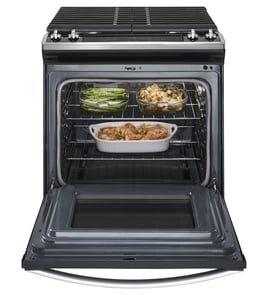




How long do KitchenAid gas ranges last?
KitchenAid gas ranges like model KFGG504KPS3 typically last 13 to 15 years with normal household use. Consistent cleaning, proper burner ignition, and fixing small issues early (like weak oven lighting or uneven flames) helps you reach the high end of that range.
Typical lifespan and what affects it
Most gas ranges wear out from heat stress, grease buildup, and ignition system fatigue more than from the gas burners themselves.
- Heavy daily cooking shortens lifespan compared to light use
- Spills and boil-overs that get under burner caps speed up corrosion
- Repeated delayed ignition strains igniters and gas valves
- Poor leveling can cause uneven cooking and extra door wear
- Overheating the control area can shorten electronic component life
Quick “keep it running longer” checklist
These habits prevent the most common failures we see on gas ranges.
- Wipe the cooktop and burner bases after cooking (once cool)
- Keep burner ports clear (use a soft brush, not a toothpick that can break off)
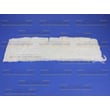
- If the oven takes longer to light, test and replace the igniter early (for example, the range oven igniter WPW10324262)
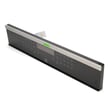
- If burners keep clicking or won’t spark reliably, inspect the spark system (a common replacement is the spark module (red) WPW10475149)
- Confirm the range is stable and level; replace worn legs such as the range leveling leg WPW10058460
What “end of life” usually looks like
| Symptom | Most common cause | Typical fix |
|---|---|---|
| Oven won’t heat or heats slowly | Weak bake igniter | Replace igniter |
| Burners click constantly | Moisture, dirty igniters, failing spark module | Dry/clean, then replace module if needed |
| Gas smell when off | Gas valve/regulator issue | Professional service recommended |
| Door won’t close evenly | Hinge wear | Replace hinge |
Why it matters
A gas range can keep operating for years with basic maintenance, but ignition and control issues can turn into no-heat problems or unreliable burner lighting. Replacing wear parts early often costs less than waiting for a bigger failure.
Last updated: February 2026
How to replace igniter on KitchenAid gas range?
On the KitchenAid KFGG504KPS3 gas range, replacing an oven igniter typically means accessing the bake or broil burner, removing the igniter mounting screws, transferring the wire connection, and reassembling. Use the correct replacement igniter for your symptom, then verify the burner lights quickly and heats evenly.
Before you start (safety and prep)
- Turn off power at the breaker; the igniter circuit is 120V.
- Shut off the gas supply valve to the range.
- Let the oven cool completely.
- Protect the oven bottom with cardboard or a towel to prevent scratches.
- Take a photo of the wire routing and connector location before disconnecting.
Which igniter do you need?
Most “no heat” or “slow to light” oven problems on gas ranges are caused by a weak igniter. For KFGG504KPS3, common igniter-related parts include:
| Symptom | Most likely area | Part to consider |
|---|---|---|
| Bake will not light or takes 60 to 90+ seconds to light | Bake burner | Range oven igniter WPW10324262 |
| Burner lights inconsistently, delayed ignition, or uneven flame at the oven burner | Oven burner ignition circuit | Range oven burner igniter WPW10333842 |
Basic replacement steps (typical for bake or broil igniters)
- Disconnect power and shut off gas.
- Remove oven racks; remove the oven bottom panel (and flame spreader if present).
- Locate the igniter mounted to the burner tube.
- Remove the igniter mounting screws (a 1/4-inch or 5/16-inch nut driver is commonly used).
- Disconnect the igniter wire connector (do not cut wires unless your replacement requires splicing).
- Install the new igniter, route wires away from hot surfaces, and reassemble panels.
- Restore gas and power; test bake and broil.
Why it matters
A weak igniter can glow but still fail to draw enough current to open the gas valve, causing no heat or long preheat times. Replacing the igniter restores reliable ignition and normal oven temperatures.
Last updated: February 2026
Why is my KitchenAid gas range not heating up?
If your KitchenAid gas range KFGG504KPS3 is not heating, the most common cause is an oven ignition failure: the bake igniter may not glow, or it may glow but be too weak to open the gas valve and light the burner. Checking the igniter circuit and burner ignition is the fastest path to a fix.
Quick checks we recommend first
- Confirm the oven is set to Bake (not Delay Start or Sabbath mode, if equipped).
- Make sure the range has power (display on, clock set, no tripped breaker).
- Try Broil: if broil heats but bake does not, the bake ignition parts are the likely issue.
- Watch the oven start: you should typically hear a faint gas flow and see ignition activity within about a minute.
- If you smell gas without ignition, stop the cycle, ventilate the area, and do not keep retrying.
Most likely causes (and what to do)
| Symptom | Most likely cause | What we do next |
|---|---|---|
| No heat; no glow from igniter | Failed igniter or no power to igniter | Check wiring connections; test igniter continuity; replace igniter if open |
| Igniter glows but burner never lights (or lights slowly) | Weak igniter | Replace the igniter; weak igniters often still glow but cannot pull enough current |
| Neither bake nor broil heats | Gas supply issue, gas valve issue, or control problem | Verify gas supply; then diagnose valve and control circuits |
| Cooktop works but oven does not | Oven ignition components | Focus on igniter, burner, and related wiring |
Parts that commonly fix “no oven heat”
- Range oven igniter WPW10324262 (common bake ignition failure)
- Range oven burner igniter WPW10333842 (ignition component used in the oven burner circuit)
- Gas valve W11233561 (if the valve is not opening when ignition is correct)
How we test the igniter (safe, practical approach)
- Disconnect power to the range.
- Access the igniter area (typically under the oven floor panel).
- Inspect for cracked igniter, burned connectors, or damaged wiring.
- Use a meter to check continuity of the igniter and verify wiring is secure.
If the igniter is open (no continuity) or it glows but ignition is delayed or inconsistent, replacement is the standard repair.
Why it matters
A weak or failed igniter prevents the oven burner from lighting, so the oven never reaches temperature even though the control is calling for heat. Fixing ignition restores safe, reliable heating and prevents repeated gas-odor events.
Last updated: February 2026
How good are KitchenAid gas ranges?
KitchenAid gas ranges like model KFGG504KPS3 are a strong choice for everyday cooking because they typically deliver steady burner performance, reliable oven heat, and durable controls and finishes. Overall quality stays high when the burners ignite consistently and the oven maintains even temperatures.
What “good” looks like in real use
We judge a gas range by how well it lights, holds temperature, and stands up to daily wear.
- Burners ignite quickly and don’t keep clicking after lighting
- Flames are mostly blue and stable (not lifting or yellowing)
- Oven preheats normally and bakes evenly across racks
- Knobs feel solid and don’t wobble or slip
- Door closes squarely and seals well to hold heat
Common issues that affect performance (and the parts that fix them)
If your experience is “not so good,” it’s usually tied to ignition or gas flow.
| Symptom | Most common cause | Example part for KFGG504KPS3 |
|---|---|---|
| Oven won’t heat or heats slowly | Weak bake ignition | Range oven igniter WPW10324262 |
| Burners keep sparking/clicking | Spark module or switch circuit issue | Spark module (red) WPW10475149 |
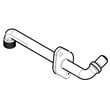
| Flames are uneven across burners | Gas supply/regulator or manifold issue | Manifold asm W11347746 |
| Range rocks or won’t sit level | Leveling leg out of adjustment or damaged | Range leveling leg WPW10058460 |
Why it matters
A “good” gas range is really about control and consistency. When ignition is strong and gas flow is correct, you get faster preheat, more even baking, and fewer nuisance problems like constant clicking or temperature swings.
Quick checks we recommend before replacing parts
- Confirm the range is level; an unlevel range can affect cooking results.
- Watch the oven start-up: you should see the igniter glow and then the burner light.
- Listen for constant clicking after a burner lights; that points to an ignition circuit issue.
- If you smell gas, shut off the gas supply and have the range checked before using it again.
Last updated: February 2026