Owner’s manual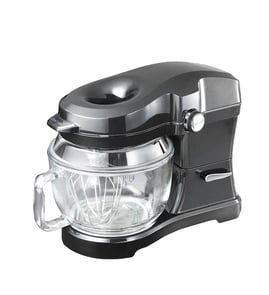



What is the #1 rated stand mixer?
There is no single “#1 rated” stand mixer for everyone; the best choice depends on batch size, dough frequency, and attachments. For many home bakers, KitchenAid tilt-head mixers are top all-around picks, while heavy dough users often prefer a bowl-lift design like the KitchenAid KV25G0XMC5.
We recommend matching the mixer style to what you actually make most often.
- Bowl-lift vs. tilt-head: bowl-lift models handle heavier loads more steadily; tilt-head models are convenient for everyday mixing
- Bread and pizza dough: choose a mixer designed for frequent kneading and follow the correct kneading speed guidance
- Attachments you will use: pasta maker, grain mill, and other add-ons can change what “best” means
- Capacity: pick a bowl size that fits your typical batch (cookies vs. double bread batches)
- Service and parts support: long-term ownership is easier when common wear parts are available
Your KitchenAid KV25G0XMC5 is a bowl-lift stand mixer, which is typically the better fit for heavier mixtures and repeated kneading.
The manual guidance for yeast dough is simple: use the proper low speed for kneading to reduce strain on gears and the motor. See the KV25G0XMC5 owner’s manual for the recommended speed chart and mixing tips.
| If you mostly make… | Best fit | Why it matters |
|---|---|---|
| Cookies, cakes, frosting | Tilt-head style | Faster access to bowl, easy add-ins |
| Frequent bread dough, large batches | Bowl-lift style (like KV25G0XMC5) | Better stability under load |
| Lots of specialty attachments | Either, but check load guidance | Some attachments create heavier loads |
“Top rated” usually reflects general satisfaction, not your specific workload. Choosing the right style helps prevent overheating, reduces gear wear, and keeps mixing performance consistent over time.
Last updated: January 2026
What does KSM mean in KitchenAid?
KSM is KitchenAid’s model-series prefix for a KitchenAid stand mixer. For your KitchenAid KV25G0XMC5 stand mixer, you may still see KSM used in manuals, parts references, and accessory listings to identify stand mixer products and compatible attachments.
“KSM” is most commonly used as a shorthand identifier when you’re matching accessories, attachments, and service information to the correct mixer family.
- Helps identify the product type as a stand mixer
- Often appears in older model naming and documentation
- Can show up in parts diagrams, service references, and accessory packaging
- Useful when comparing bowl-lift vs tilt-head compatibility
- Helps avoid ordering the wrong attachment or bowl size
The safest way to confirm what fits your exact mixer is to use the model-specific documentation and then match parts by model number.
| What you’re matching | Best way to verify | What to look for |
|---|---|---|
| Attachments (hub-driven) | KV25G0XMC5 owner’s manual | Hub socket style, attachment instructions, speed guidance |
| Bowl-lift accessories | Model number match | “KV” and “bowl-lift” references, quart size notes |
| Internal repair parts | Part ID match | Exact part ID and description for KV25G0XMC5 |
KitchenAid uses several prefixes; they help group mixers by design and capacity.
- KSM: stand mixer series identifier
- KV: commonly associated with bowl-lift mixer families (like KV25G0XMC5)
- Accessory model numbers (example: pouring shield models) may be listed separately in documentation
KitchenAid attachments and accessories are designed around specific hub, bowl, and lift designs. Knowing that “KSM” points to stand mixers helps you start in the right category, but your KV25G0XMC5 model number is what locks in the correct fit.
Last updated: January 2026
What is the holy grail of KitchenAid mixers?
There is no single official “holy grail” KitchenAid mixer; it is a community nickname for older, heavy-duty models that are especially durable and serviceable. For KitchenAid stand mixers like model KV25G0XMC5, the best choice is the one that matches your bowl-lift needs, attachments, and typical recipes.
When customers use this phrase, they are typically talking about a mixer that:
- Has a strong motor and gear train for frequent kneading
- Holds up well over many years of use
- Has widely available replacement parts and accessories
- Handles heavy mixtures without overheating
- Uses common attachments (flat beater, whip, dough hook)
KV25G0XMC5 is a bowl-lift style KitchenAid mixer, which is generally preferred for heavier doughs and larger batches. The most important “holy grail” test is whether it performs well for what you actually make.
| If you mostly make | What to prioritize | What to check |
|---|---|---|
| Bread and pizza dough | Bowl-lift stability, dough hook use | Speed guidance and kneading time in the KV25G0XMC5 owner’s manual |
| Cakes and cookies | Speed control, mixing time | Recipe time adjustments (KitchenAid mixers often mix faster) |
| Whipped cream and egg whites | Proper whip clearance | Beater-to-bowl clearance procedure |
The “holy grail” label is less important than correct speed use and setup. Using the right speed and attachment helps prevent overbeating, reduces strain on the drive system, and improves results.
If you are evaluating an older mixer or keeping KV25G0XMC5 running smoothly, these are common wear-related areas:
- Gearcase sealing (look for grease leaks); the gasket WP9709511 is one example of a sealing component
- Bearings and shafts (noise, wobble, rough operation)
- Motor performance (stalling under load)
- Planetary movement (excess play or clicking)
Last updated: January 2026
What is the life expectancy of a KitchenAid stand mixer?
A KitchenAid stand mixer like model KV25G0XMC5 typically lasts 10 to 15 years with normal household use and basic maintenance. The included warranty is 1 year from the purchase date, but real-world lifespan is usually much longer when the mixer is kept clean and not overloaded; see the KV25G0XMC5 owner's manual.
A stand mixer’s life expectancy is mainly about load, heat, and lubrication. These factors have the biggest impact:
- Batch size and dough type: heavy bread dough and large batches shorten life faster than cake batter
- Run time: long continuous mixing sessions build heat in the motor and gear case
- Speed selection: using high speed with heavy mixtures increases strain
- Maintenance: keeping the mixer clean and addressing leaks/noise early prevents bigger failures
- Storage and handling: drops and impacts can damage housings, bearings, and alignment
Use this list to judge whether your KV25G0XMC5 is aging normally or needs attention:
- Motor runs smoothly without a burning smell
- Planetary action stays steady (no wobble or grinding)
- No grease leaking into the bowl area
- Speed control changes are consistent (no surging)
- Attachments fit securely and do not scrape the bowl
Some parts are normal wear items; others point to a bigger repair.
| Symptom | Most likely category | What we recommend |
|---|---|---|
| Light rattling under load | Normal wear or adjustment | Check usage habits; review care steps in the manual |
| Grease leak, loud grinding | Gear case or bearing issue | Plan a teardown inspection; replace worn seals/bearings |
| Won’t start or stalls easily | Electrical or motor issue | Test power and internal wiring; consider motor replacement |
If you’re chasing a grinding noise or wobble, a worn bearing is a common root cause; the bearing WPW10170080 is one example of a service part used in this mixer family.
Knowing the typical 10 to 15 year lifespan helps you decide whether to maintain, repair, or replace. If your mixer is within the first year of ownership, the warranty coverage described in the manual can also guide your next step.
Last updated: January 2026