


What is the most expensive part to fix on a furnace?
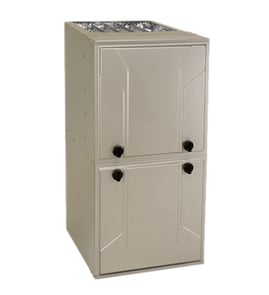
On an Icp NUGI100DF03 upflow gas furnace, the most expensive repair is typically a major sealed-combustion or core component replacement, especially the heat exchanger. Among common serviceable parts, a blower motor assembly is often one of the priciest because the part cost is high and labor is more involved.
Most expensive furnace repairs (typical)
These are the repairs that usually drive the highest total bill (parts plus labor):
- Heat exchanger: commonly the costliest single component to replace
- Blower motor assembly: high part cost and moderate-to-high labor
- Control board: expensive electronics and diagnostic time
- Inducer motor: can be costly and may require venting and pressure-switch checks
- Gas valve: part cost plus combustion setup and safety checks
What that means for the NUGI100DF03 parts you see here
For this model page, the highest-priced listed component is the blower motor. If your furnace is noisy, not moving air, or the blower will not start, the motor and its capacitor are common suspects.
- High-cost listed part: furnace blower fan motor 613209
- Common companion part to test/replace with a weak motor: capacitor 12907
Quick cost comparison (parts only)
Actual totals vary by diagnosis and labor, but this shows why some repairs feel “expensive” fast.
| Repair area | Why it gets expensive | Typical impact |
|---|---|---|
| Heat exchanger | Major disassembly, safety-critical checks | Highest total cost |
| Blower motor | High part price, setup time | High total cost |
| Control board | Electronics plus troubleshooting | Medium-to-high |
| Gas valve | Combustion verification | Medium-to-high |
Why it matters
When a furnace repair involves a core component (like the heat exchanger) or a high-dollar drive component (like the blower motor), the total cost rises quickly because diagnosis, disassembly, and post-repair safety checks take time.
Before you replace an expensive part
We recommend these basic checks first to avoid replacing the wrong component:
- Confirm the thermostat is calling for heat and the furnace has power
- Check the air filter and return vents for airflow restrictions
- Note any blinking fault code on the control board door panel
- Inspect wiring connections for looseness or heat damage
- If the blower will not run, test the run capacitor and motor windings
Last updated: February 2026
What is the most common part to fail on a furnace?
The most common furnace failure is a dirty air filter causing restricted airflow; that overheats the furnace and trips a safety limit, making the heat shut off. On an Icp NUGI100DF03 upflow gas furnace, other frequent failures include the flame sensor, limit switch, and blower components.
Most common failures (in order we see most often)
- Air filter (maintenance item): Clogged filter restricts airflow and triggers overheating.
- Flame sensing: A dirty or failing flame sensor can cause short cycling or no heat.
- High-limit safety: A weak or tripping limit switch shuts the burners down to prevent overheating.
- Blower system: A failing blower motor, weak run capacitor, or damaged blower wheel reduces airflow.
- Electrical issues: Loose connections, blown fuse, or a tripped breaker can stop operation.
Quick checks you can do safely
- Replace the air filter and make sure supply and return vents are open.
- Confirm the thermostat is set to heat and has good batteries (if applicable).
- Listen for the blower; if it hums but will not start, the run capacitor is a common suspect.
- If the furnace lights then shuts off quickly, the flame sensor is a common cause.
- If the furnace runs briefly then stops and restarts, overheating from airflow problems or a limit switch issue is common.
Parts that commonly solve these symptoms on NUGI100DF03
| Symptom | Commonly involved part | Example part on this model |
|---|---|---|
| Blower hums, slow start, or no start | Run capacitor | Capacitor 12907 or capacitor 12908 |
| Burners light then shut off in seconds | Flame sensing | Flame sensor 1149944 |
| Heat shuts off, blower keeps running | High-limit safety | Limit switch 1013102 or furnace temperature limit switch 1004304 |
| Weak airflow, rattling, vibration | Blower wheel | Furnace blower fan wheel 600587 or furnace blower fan wheel 600586 |
Why it matters
Most “failed furnace” calls are really safety shutdowns caused by airflow or flame-proving problems. Fixing the root cause (filter, blower airflow, flame sensing) prevents repeat shutdowns and protects the heat exchanger and controls.
Last updated: February 2026
What are the parts of the furnace?
An Icp NUGI100DF03 upflow gas furnace is built from a heat-making section (burners and heat exchanger), an air-moving section (blower assembly), and safety/controls (sensors and switches). Together, these parts ignite gas safely, transfer heat to air, and circulate warm air through your home.
Main furnace parts and what they do
- Burners: Mix gas and air and create the flame.
- Heat exchanger: Separates combustion gases from household air while transferring heat.
- Blower assembly: Moves heated air through ductwork; includes the blower motor and blower wheel.
- Ignition system: Lights the burners (hot surface igniter or spark system, depending on design).
- Flame sensing: Confirms flame is present so gas can stay on (often a flame sensor).
- Safety switches: Shut the furnace down if temperatures or conditions are unsafe.
- Control board: Coordinates ignition, blower timing, and safety lockouts.
- Venting/inducer (if equipped): Pulls combustion gases through the heat exchanger and out the flue.
Parts you can shop for on this model
These are common service parts listed for NUGI100DF03:
| Part | What it affects | Common symptom when failing |
|---|---|---|
| Furnace blower fan motor 613209 | Airflow through vents | Weak or no airflow, overheating shutdown |
| Furnace temperature limit switch 1013102 | Overheat protection | Furnace starts then shuts off, short cycling |
| Flame sensor 1149944 | Flame proving | Burners light then go out after a few seconds |
| Capacitor 12907 | Motor starting/running | Humming motor, slow start, intermittent blower |
Why it matters
Knowing which section is failing helps you troubleshoot faster. For example, a dirty flame sensor can cause “lights then quits,” while a weak blower motor or bad capacitor can reduce airflow and trigger a limit switch shutdown.
Quick safety and troubleshooting checks
- Turn off electrical power before opening panels.
- Replace the air filter and make sure supply and return vents are open.
- If burners shut off quickly, inspect and clean the flame sensor (light oxidation is common).
- If the furnace overheats, check airflow first (filter, blower wheel, duct restrictions).
- If the blower hums but does not spin, test the run capacitor and motor.
Last updated: February 2026
What are the most common furnace repairs?
For the Icp NUGI100DF03 upflow gas furnace, the most common repairs are airflow problems (dirty filter or blocked vents), ignition and flame-sensing issues, and blower problems that cause no heat, short cycling, or weak airflow. Electrical failures like a bad capacitor or limit switch are also frequent.
Most common repairs (and what you usually notice)
- Dirty air filter or restricted return air: weak airflow, overheating, frequent cycling
- Flame sensor problems: burners light then shut off after a few seconds (retries, then lockout)
- Ignition issues (hot surface igniter or pilot/ignition circuit): no flame, repeated clicking/tries
- Blower motor or blower wheel issues: no air movement, loud humming, squealing, vibration
- Overheat/limit switch trips: furnace shuts down mid-cycle, then restarts after cooling
- Electrical problems (loose/burned wires, failed capacitor): blower will not start or runs inconsistently
Parts that commonly fix these symptoms on NUGI100DF03
If troubleshooting points to a failed component, these are common replacement categories we see for this model:
| Symptom | Common suspect | Example part on this model page |
|---|---|---|
| Blower hums but struggles to start | Run capacitor | Capacitor 12907 or capacitor 12908 |
| Furnace overheats or shuts off mid-cycle | Temperature limit switch | Limit switch 1013102 or furnace temperature limit switch 1004304 |
| Burners light then quickly shut off | Flame sensing circuit | Flame sensor 1149944 |
| Weak airflow or rattling | Blower wheel | Furnace blower fan wheel 600587 or furnace blower fan wheel 600586 |
| No/poor airflow even though burners run | Blower motor | Furnace blower fan motor 613209 |
Quick checks we recommend before replacing parts
- Set thermostat to HEAT and raise setpoint 3 to 5 degrees; confirm the furnace starts a heat call.
- Replace the air filter and make sure supply registers and return grilles are open.
- Listen for the sequence: inducer (if equipped), ignition, burners, then blower; note where it stops.
- Inspect wiring for loose spade connectors or heat damage; use our how to repair broken or damaged wires video if needed.
- If you have a meter, test safely using our how to use a multimeter to test electrical parts video.
Why it matters
Many “furnace failures” are actually safety shutdowns caused by restricted airflow or a weak flame-sensing signal. Fixing the root cause helps prevent repeat lockouts, nuisance cycling, and premature wear on the blower motor and controls.
Last updated: February 2026