


Are all 24 inch wall ovens the same size?
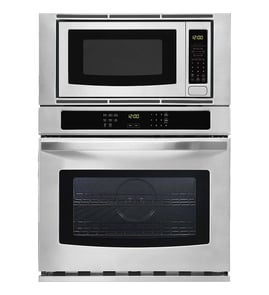
No. A “24-inch wall oven” describes the approximate cabinet width class, not a universal, identical size. For GE wall oven/microwave combo models like JKP62G, the actual outside dimensions and the required cabinet cutout can vary by model and by trim style, so measuring your opening is always required.
What “24-inch” usually means
Most 24-inch wall ovens are designed to fit a 24-inch-wide cabinet, but the cutout width, cutout height, and cutout depth can differ enough to prevent a proper fit.
Common differences you’ll see:
- Overall width vs. cutout width (they are not the same)
- Height differences (single oven vs. combo units)
- Depth differences (especially with door clearance)
- Trim overlap (how much the front frame covers the cabinet opening)
- Electrical requirements and junction box location
Quick size reality check (typical ranges)
These are typical ranges for 24-inch class wall ovens; always confirm with measurements before ordering or installing.
| Measurement | Typical 24-inch class range | Why it varies |
|---|---|---|
| Cutout width | ~22 1/2 to 23 1/2 in. | Cabinet standards and trim overlap |
| Cutout height | ~27 to 28 in. (single) | Single vs. combo configurations |
| Cutout depth | ~22 to 24 in. | Chassis depth and wiring clearance |
How we recommend measuring before you buy
Use a tape measure and record all three cutout dimensions. We recommend:
- Measure cutout width at the top, middle, and bottom
- Measure cutout height on both left and right sides
- Measure cutout depth from the front cabinet face to the back wall
- Check for door swing clearance and nearby drawers/doors
- Confirm power supply location and slack in the wiring
Why it matters
A wall oven that is “24-inch” can still be the wrong fit if the cutout is even slightly off. Correct sizing prevents gaps, pinched wiring, poor ventilation, and installation headaches.
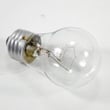
If you’re repairing your existing unit instead of replacing it, you can keep it performing safely and consistently with model-matched parts such as the range oven light bulb 40A15.
Last updated: February 2026
Can you replace the microwave on a wall oven microwave combo?
On a GE wall oven/microwave combo like model JKP62G, the microwave is built into the combo frame and controls, so it is not designed to be swapped out as a separate “microwave-only” unit. In practice, you either repair the microwave section or replace the entire combo assembly.
What you can do instead
- Repair the microwave section when the failure is in a serviceable component (common examples include high-voltage parts or door-related issues).
- Troubleshoot by error code if the display is showing a fault; start with GE combination wall oven and microwave error codes.
- Replace the full combo unit when the microwave cavity, frame, or integrated electronics make repair impractical.
Parts that are commonly involved in microwave-side repairs
These are examples of microwave-related parts that may apply to this model’s parts list:
- Diode WB27X1160 (high-voltage circuit component)
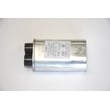
- Capacitor WB27X10073 (high-voltage capacitor used in the microwave circuit)
Safety note
Microwave high-voltage components can retain a dangerous charge even when unplugged. If you are not trained to safely discharge and test these components, we recommend using a qualified technician.
Quick decision guide
| Situation | Best next step | Why it matters |
|---|---|---|
| Error code on display | Use GE combination wall oven and microwave error codes | Codes narrow the problem to a circuit or sensor faster |
| No heat but runs | Diagnose high-voltage circuit (diode/capacitor) | Often repairable without replacing the whole unit |
| Physical damage to microwave cavity or frame | Replace the combo unit | Cavity and structure are not practical to rebuild |
Why it matters
Combo units share cabinetry fit, wiring, and controls between the oven and microwave. That integration is why the microwave portion typically is not a standalone, drop-in replacement like a countertop microwave.
Last updated: February 2026
What's the average lifespan of a GE microwave?
A GE microwave typically lasts 9 years. For a built-in unit in a GE wall oven/microwave combo like model JKP62G, lifespan is driven most by daily run time, ventilation, and keeping the cavity and door seals clean.
Typical lifespan and what changes it
Most microwaves fall into a fairly tight range, but real-world life depends on how hard the magnetron and high-voltage system work.
- Light use (reheat/defrost only): often 10 to 12 years
- Average use (daily cooking): about 8 to 10 years
- Heavy use (multiple long cycles daily): about 5 to 8 years
- Poor airflow or frequent overheating: shortens life quickly
- Running empty or using metal: can cause immediate damage
Signs it is nearing end of life
If you see these symptoms, focus on safe diagnosis and parts inspection rather than repeated resets.
- Food takes noticeably longer to heat (weak heating)
- Loud humming, buzzing, or arcing sounds
- Burning smell, smoke, or visible sparks
- Intermittent operation (starts then stops)
- Door not closing firmly or latch feels loose
Parts that commonly affect heating and reliability
In a combo unit, heating problems often trace back to the high-voltage circuit. If you are troubleshooting a “runs but won’t heat” symptom, these parts are common suspects.
| Symptom | Common area to check | Example part on this model page |
|---|---|---|
| Runs but won’t heat | High-voltage diode/capacitor | Diode WB27X1160, capacitor WB27X10073 |
| Interior light out | Lamp | Range oven light bulb 40A15 |
Why it matters
A microwave that is slow to heat or intermittently stops usually draws longer run times, which increases stress on the magnetron and high-voltage components. Catching airflow issues and early heating symptoms helps prevent cascading failures.
For code-based troubleshooting on GE combo units, use our GE combination wall oven and microwave error codes guide.
Last updated: February 2026
When was the General Electric JKP62G oven made?
GE made the JKP62G wall oven/microwave combo over a production run that varied by revision and serial number; the exact build date is identified from the model and serial tag on your specific unit. Once you have that tag information, we can match you to the correct parts and diagrams for your exact configuration.
Where to find the date information
Look for the rating plate (model and serial tag) in one of these common spots:
- On the oven frame behind the lower oven door (open the door and check the front frame)
- Along the side trim area visible when the door is open
- On the microwave frame behind the microwave door
- On the inside edge of the control panel area (varies by revision)
What to write down before you decode it
Having the full tag details prevents ordering the wrong GE parts for the JKP62G series.
- Full model number exactly as printed (including any suffix letters)
- Full serial number
- Any revision code on the tag
- Fuel type and electrical rating (helps confirm the correct configuration)
Quick guide: what you can determine from the tag
| Tag item | What it tells you | Why it matters |
|---|---|---|
| Model number (JKP62G) | Product family | Confirms you are in the right parts list |
| Suffix/revision | Exact version | Prevents mismatched controls, doors, and trim |
| Serial number | Build date code | Identifies when your unit was made |
Why it matters
GE used running changes across long-lived wall oven/microwave combo platforms; two JKP62G units can take different door hardware, hinges, or electrical components depending on the revision and build date. For example, if you are servicing door issues, matching the correct oven hinge WB2X7729 to your exact revision helps the door close and seal properly.
Last updated: February 2026