Owner’s manual
 View engine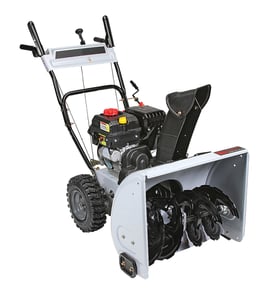




How do I find out what year my Craftsman snowblower is?
For Craftsman snow thrower model 536.881550, the most reliable way to determine the year is to use the model and serial number from the product ID label on the machine, then match that information to the identification details and parts information in the 536881550 owner's manual.
Where to find the model and serial number
Look for a product identification sticker or stamped tag in one of these common spots:
- On the frame near the engine
- Under or behind the engine area
- On the rear of the housing near the handles
- Near the auger housing or belt cover area
Write down both numbers exactly as shown. For this unit, the model is typically shown as 536.881550 (sometimes printed without the dot as 536881550).
How to use the serial number to get the year
Once you have the serial number, use this approach (common on many Craftsman-built machines):
- Check the first few characters for a date code
- Look for a two-digit year embedded in the code
- Confirm the result by comparing the machine’s configuration to the illustrated parts lists in the manual
Quick decoding guide (typical format)
| What you see in the serial number | What it usually means |
|---|---|
| First 2 digits | Month |
| Next 2 digits | Day |
| Next 2 digits | Year |
Why it matters
Knowing the build year helps us match the correct parts and service procedures, especially for wear items like belts, shear pins, and control cables that can vary by production run.
If you are ordering common wear parts for this model, the manual’s parts lists also help confirm you are selecting the right component (for example, the snowblower drive belt 1733324SM and snowblower gas belt 585416MA).
Last updated: February 2026
How many HP is a 243cc snow blower?
A 243cc snowblower engine typically lands in the 7 to 9 HP range (varies by engine design and RPM rating). For the Craftsman 536881550, our 536881550 owner's manual lists the engine at 6 HP with 206 cc displacement, so it is a smaller engine than 243cc.
Quick way to estimate HP from cc
Small-engine horsepower is not a fixed conversion from displacement; it depends on torque curve, governed RPM, and how the manufacturer rates power. As a practical rule, 243cc is commonly marketed and used like a mid-size 2-stage snowblower engine, which is why you often see it described around 7 to 9 HP.
What changes the number most:
- Rated RPM and governor setting
- Engine design (OHV vs older designs)
- Torque tuning for snow load
- Altitude and temperature during use
- How the brand reports power (some use “series” names that look like HP)
Model comparison (what you have vs 243cc)
| Engine size | Typical marketed HP range | What it means in use |
|---|---|---|
| 206 cc (Craftsman 536881550) | 6 HP (manual-rated) | Solid for a 24-inch class machine in average snow |
| 243 cc (common 2-stage size) | ~7 to 9 HP | More reserve power in deep, wet, end-of-driveway snow |
Why it matters
HP is only part of performance. For snow throwers, auger/impeller design, belt condition, and traction often decide how well the machine clears. A worn belt can make a strong engine feel weak.
If your snowblower feels underpowered
- Check for a slipping auger or drive belt
- Confirm the auger engages fully and does not stall easily
- Inspect shear pins and auger movement
- Verify fresh fuel and correct oil level
- Check the spark plug condition and gap
If you need common wear items for drive performance, match parts to your model, such as the snowblower drive belt 1733324SM or snowblower gas belt 585416MA.
Last updated: February 2026
How to find Craftsman snowblower model number?
On a Craftsman snow thrower like model 536881550, the model number is printed on the product identification label (nameplate). We typically see that label on the rear of the unit between the wheels or on the side of the frame near the auger housing; match the full number exactly when ordering parts.
Where to look on model 536881550
Check these common label locations first:
- Rear of the snowblower between the wheels (most common)
- Side of the frame near the auger/impeller housing
- Near the handle support area or control panel area
- Under the belt cover area (after the unit is cool and off)
What the label looks like and what to write down
The label usually includes a few different identifiers. Use this quick guide:
| Label item | What it’s used for | Example for this unit |
|---|---|---|
| Model number | Correct parts lookup and diagrams | 536881550 |
| Product name/series | General identification | Craftsman 24" 6HP snow thrower |
| Decals/part lists | Assembly reference | Listed in the parts breakdown |
Tips to avoid ordering the wrong parts
- Copy the model number exactly, including all digits
- If the label shows a format with a dot (example: 536.881550), treat it as the same model family and still match the full digits when searching
- Use the exploded views and parts lists in the 536881550 owner's manual to confirm the part location before ordering
Why it matters
Craftsman snowblower parts (belts, cables, shear bolts, chute components) vary by model and even by production run. Using the exact model number ensures the diagrams and part numbers match your drive system, auger setup, and handle controls.
Last updated: February 2026
Is a 2 stage or 3 stage snowblower better?
A 2-stage snowblower is the better choice for most homeowners because it balances throwing power, cost, and maintenance; a 3-stage is better when you regularly face deep, heavy, icy snow and want faster intake and longer throw. For Craftsman model 536881550, match the stage to your typical snow conditions and safe operating needs in the 536881550 owner's manual.
Quick comparison: 2-stage vs 3-stage
| Feature | 2-stage snowblower | 3-stage snowblower |
|---|---|---|
| Snow handling | Great for most storms and plow berms | Best for deep, dense, icy snow and tall drifts |
| Clearing speed | Fast | Faster (higher intake rate) |
| Complexity | Moderate | Higher (more moving parts) |
| Cost to own | Lower | Higher |
| Best fit | Typical driveways and sidewalks | Frequent heavy snow, large areas, time-sensitive clearing |
How we recommend choosing
- Average snowfall and snow type: light and moderate snow favors 2-stage; wet, heavy, packed snow favors 3-stage.
- Area size: larger driveways and long runs benefit from the faster intake of 3-stage.
- Surface type: gravel drives need careful setup and slower speeds to avoid throwing stones.
- Storage and maneuvering: 2-stage units are often easier to handle in tight spaces.
- Maintenance comfort: 3-stage designs typically mean more adjustments and wear items over time.
Why it matters for real-world use
Using the right machine reduces clogging, improves throw distance consistency, and helps you avoid overloading the snowblower. Our manual guidance also matters for safety: keep hands and feet away from rotating parts, stop the engine before clearing clogs, and maintain control when operating in reverse or on slippery surfaces (all covered in the 536881550 owner's manual).
Operating tips that apply to either stage
- Select a ground speed that matches conditions (slower for wet, heavy snow).
- Never clear steep slopes; change direction carefully on inclines.
- Stop the engine and disconnect the spark plug wire before servicing or unclogging.
- Keep the discharge chute aimed away from people, pets, and windows.
If your current unit struggles to move or throw snow, a worn belt is a common cause; for this model, the snowblower drive belt 1733324SM and snowblower gas belt 585416MA are frequent wear items.
Last updated: February 2026
Is it worth fixing a snowblower?
Yes, it’s usually worth fixing a Craftsman snow thrower model 536881550 when the problem is a normal wear item (belt, shear pin, cable) and the machine is otherwise solid; these repairs are typically far less than replacing the whole unit.
Quick way to decide (cost vs. condition)
Use this checklist before you buy parts:
- Repair cost target: keep the total repair under about 50% of the cost of a comparable new snowblower.
- Type of failure: wear items (belts, shear pins, cables) are good repair candidates.
- Overall condition: no major rust-through, cracked housing, or badly worn auger/impeller.
- Maintenance history: machines that were lubricated and tuned up regularly are better bets.
- Safety and controls: drive and auger controls must operate smoothly and return properly.
Typical “worth fixing” repairs for this model
| Symptom | Common cause | Typical fix type |
|---|---|---|
| Won’t move or slips under load | Worn ground drive belt | Belt replacement |
| Auger/impeller stops when it hits packed snow | Broken shear pin | Shear pin replacement |
| Auger won’t engage consistently | Stretched/misadjusted cable | Cable adjustment or replacement |
Parts that often make a repair economical
On the 536881550, these are common, straightforward fixes:
- Snowblower drive belt 1733324SM (ground drive)
- Snowblower gas belt 585416MA (auger drive)
- Kit shearbol 1501227MA (shear pin set)
- Cable, aug c 761872MA (auger drive cable)
Why it matters
A snowblower that’s maintained per the 536881550 owner’s manual is designed to have replaceable wear items. The manual also notes that parts like spark plugs, drive belts, and shear pins wear during normal use, so fixing those issues is part of normal ownership, not a sign the machine is “done.”
If you decide to repair: do these basics first
- Stop the engine and disconnect the spark plug wire before servicing.
- After clearing snow, run the machine briefly to help prevent auger/impeller freeze-up.
- For storage longer than about 30 days, follow the manual’s fuel and storage steps.
Last updated: February 2026
Should I use 87 or 91 for snowblower?
For Craftsman snow thrower model 536881550, we recommend using 87 octane regular unleaded as your default. The key is fuel quality: use fresh, clean gasoline and avoid higher-than-necessary octane; the manual allows regular or premium but calls for a minimum of 85 octane (and no lead). See the 536881550 owner's manual.
What the manual says (and what it means)
The 536881550 manual specifies fresh, clean, unleaded regular, unleaded premium, or reformulated automotive gasoline with a minimum of 85 octane, and it warns against leaded gasoline.
In practice:
- 87 octane meets the requirement and is the best value for most conditions.
- 91 octane is fine, but it is not required for normal operation.
- Fuel freshness and ethanol content matter more than octane in small engines.
Best fuel choice checklist
- Use 87 octane (or any unleaded fuel 85+ octane).
- Buy fuel you will use up quickly; fresh fuel prevents hard starting.
- If available, choose ethanol-free; otherwise use E10 or less.
- Store fuel in a clean, sealed, approved gas can.
- For storage longer than 30 days, run the engine until the tank is empty or treat fuel with stabilizer per the manual.
87 vs 91: quick comparison
| Fuel | When to use it | What you gain |
|---|---|---|
| 87 octane (regular) | Everyday snow clearing | Meets spec; best cost/value |
| 91 octane (premium) | If it is the freshest fuel available or ethanol-free in your area | No required performance benefit; can reduce ethanol-related issues if ethanol-free |
Why it matters
Using the right gasoline helps prevent carburetor varnish, fuel system corrosion, and starting problems, especially when the snowblower sits between storms or over the off-season. The manual specifically notes that alcohol-blended fuels can attract moisture and form acids during storage, which can damage the fuel system.
Last updated: February 2026
What are common Craftsman snowblower problems?
Common problems on the Craftsman snow thrower model 536881550 include no-start or rough running, the auger not turning or not throwing snow, and the drive system not pulling well. Most issues trace back to fuel and ignition maintenance, worn belts, or shear pins that have broken to protect the auger.
Most common symptoms and likely causes
- Engine will not start: old fuel, dirty carburetor, fouled spark plug, incorrect choke or throttle setting
- Engine runs rough or surges: partially clogged carburetor, stale fuel, restricted fuel flow
- Auger does not turn: broken shear pins, loose or worn auger belt, auger control cable out of adjustment
- Poor snow throwing or chute clogs: packed snow/ice in chute, worn auger components, low engine speed
- Unit will not drive or slips: worn drive belt, traction/drive adjustment needed, friction drive wear
- Excess vibration or noise: loose fasteners, damaged auger/impeller components, foreign object in housing
Quick checks we recommend (in order)
- Safety first: shut off the engine, remove the key (if equipped), and wait for moving parts to stop.
- Check shear pins: if the auger stopped suddenly after hitting something, inspect and replace the shear pins as needed.
- Inspect belts: look for glazing, cracking, or slack; a worn belt commonly causes slipping or no movement.
- Verify cable engagement: confirm the auger and drive controls fully engage and return smoothly.
- Fuel and spark: drain old fuel, use fresh fuel, and inspect the spark plug condition and gap.
Parts that commonly fix these problems
| Problem | Common fix | Example part for this model |
|---|---|---|
| Wheels do not drive or slip | Replace ground drive belt | Snowblower drive belt 1733324SM |
| Auger will not turn | Replace auger belt | Snowblower gas belt 585416MA |
| Auger stops after impact | Replace shear pins | Kit shearbol 1501227MA |
Why it matters
Many “major” snowblower failures are actually built-in protection or normal wear items. For example, shear pins are designed to break to protect the gearbox and auger; belts wear over time and start slipping. Keeping bolts tight and following the maintenance schedule helps prevent repeat problems.
For model-specific maintenance intervals, adjustments, and storage steps, follow the 536881550 owner’s manual.
Last updated: February 2026