
What are the most common furnace repairs?
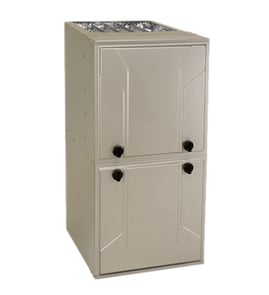
For a Thermal Zone gas furnace like model GM120K16B, the most common repairs involve ignition and flame sensing, airflow problems (filters, blower, or capacitor), and safety controls that stop heat when the furnace overheats or can’t prove flame. Many fixes start with basic checks before replacing parts.
Most common repairs we see
- Replace a dirty air filter and clear blocked return or supply vents.
- Clean the flame sensor (a common cause of short cycling and “starts then stops”).
- Replace a weak run capacitor that prevents the blower motor from starting or running smoothly.
- Replace a failed igniter or service the pilot/ignition system (depending on furnace design).
- Clear a clogged condensate drain (on high-efficiency condensing furnaces).
- Diagnose a tripped limit switch or rollout switch caused by overheating or venting issues.
Quick symptom-to-repair guide
| What you notice | Common cause | Typical repair |
|---|---|---|
| Blower hums but won’t start | Weak capacitor | Replace capacitor 12908 |
| Burner lights then shuts off quickly | Dirty flame sensor | Clean flame sensor, check grounding |
| Furnace runs but little airflow | Dirty filter, blocked duct, blower issue | Replace filter, check blower wheel and motor |
| No heat, no ignition | Ignition component or control issue | Check power, door switch, igniter, control board |
Why it matters
Furnaces shut down on purpose when they detect unsafe conditions (no proven flame, overheating, blocked venting). Fixing the root cause protects the heat exchanger, improves comfort, and helps prevent repeat shutdowns.
Before you replace parts (safe, high-value checks)
- Turn off power at the furnace switch or breaker before opening panels.
- Confirm the thermostat is calling for heat and the furnace door switch is engaged.
- Check and replace the air filter; verify vents are open.
- Look for a blinking diagnostic light on the control board and note the pattern.
- If you’re testing electrical parts, use a meter correctly; see how to use a multimeter to test electrical parts video.
Last updated: February 2026
What is the most expensive part to fix on a furnace?
In most gas furnaces, the heat exchanger is the most expensive component to replace because it requires the most disassembly and labor. On the Thermal Zone GM120K16B, the highest total repair cost still comes from major assemblies (heat exchanger, blower motor, inducer, or control board), not small electrical parts.
Most expensive furnace repairs (typical)
These repairs usually create the highest total bill (parts plus labor):
- Heat exchanger replacement
- Blower motor replacement (especially variable-speed/ECM styles)
- Inducer motor assembly replacement
- Furnace control board replacement
- Gas valve replacement
What makes a repair “expensive”
| Item | Parts cost | Labor time | Why it adds up |
|---|---|---|---|
| Heat exchanger | Medium to high | Highest | Major teardown and reassembly |
| Motors (blower/inducer) | Medium to high | Medium | Setup, wiring, airflow or venting checks |
| Control board | Medium to high | Low to medium | Diagnosis time, multiple failure look-alikes |
| Gas valve | Medium | Medium | Combustion and safety verification |
Check these lower-cost items first
Many “big repair” symptoms are caused by simpler issues. We recommend checking:
- Dirty air filter or blocked return air causing overheating
- Loose, burnt, or corroded wiring connections
- Tripped breaker or blown furnace fuse
- Furnace door switch not fully engaged
- Weak motor run capacitor (can prevent a motor from starting)
If your GM120K16B uses a run capacitor in a motor circuit, the model-specific part listed for this furnace is the capacitor 12908.
Why it matters
Replacing a small, correct part first (like a capacitor) can restore operation and prevent unnecessary replacement of a motor or control board.
Last updated: February 2026
What spare parts should I have for my furnace?
For your Thermal Zone gas furnace model GM120K16B, the best spare parts to keep on hand are the ones that commonly fail and can stop heat immediately, plus a few electrical items that are easy to test and replace. If you only stock one model-listed item, start with the capacitor 12908.
Recommended spare parts to keep on hand
These are the most practical “down heat” spares for a typical gas furnace like the GM120K16B:
- Hot surface ignitor (or spark ignitor, depending on your ignition style)
- Flame sensor (cleaning often fixes issues, but replacement is a common need)
- Furnace fuse(s) (typically a small automotive-style blade fuse on the control board)
- Control board (more expensive, but a frequent no-heat culprit)
- Pressure switch (proves draft; failures can lock out ignition)
- Limit switch (safety device; can fail open and stop burners)
- Blower motor run capacitor (supports the blower motor start/run)
What we can stock from this model’s parts list
Only one specific spare part is currently listed in the available parts for this model page:
- Capacitor 12908 (part number 621435)
Quick “what it does” guide
| Spare part | What it affects | Common symptom when it fails |
|---|---|---|
| Ignitor | Burner ignition | No flame, repeated ignition attempts |
| Flame sensor | Flame proving | Burner lights then shuts off quickly |
| Fuse | Low-voltage power | Furnace appears dead, no response |
| Control board | Furnace control logic | No heat cycle, erratic operation |
| Capacitor | Blower motor performance | Hums, slow start, overheats, trips limit |
How to choose the right spares
Use these checks so you buy parts that match your exact furnace configuration:
- Match by model number GM120K16B and the part’s ID/part number
- Compare the old part’s label ratings (especially capacitor microfarads (µF) and voltage)
- Take a clear photo of wire locations before removing any electrical part
- Keep spares sealed and dry; corrosion and bent terminals cause problems
Why it matters
A small set of spares can turn a “no-heat” situation into a same-day fix, especially for ignition and airflow safety parts that commonly stop the furnace from running.
Last updated: February 2026