Error Codes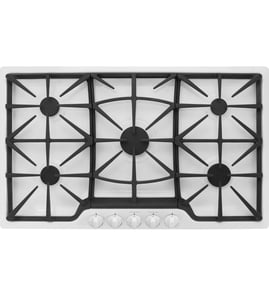





How do you measure for a gas cooktop replacement?
To replace a gas cooktop like the GE JGP328BEC2BB, we measure the countertop cutout (opening) size first, then confirm clearances to the back wall and front edge so the new cooktop fits and the gas and power connections can be reached safely.
What to measure (in order)
- Cutout width: left-to-right inside the countertop opening.
- Cutout depth: front-to-back inside the opening.
- Back clearance: distance from the cutout’s back edge to the backsplash or wall.
- Front clearance: distance from the cutout’s front edge to the front of the countertop.
- Cabinet space below: check for drawers, braces, or a shelf that could block the cooktop body.
Quick checklist before you buy
- Confirm the replacement is gas (not electric or induction).
- Match the fuel type (natural gas vs LP). If converting, you may need different orifices.
- Verify you have a nearby electrical outlet for ignition (many gas cooktops use a cord).
- Plan for the gas shutoff valve location and flexible connector routing.
Typical fit rules (helpful guidelines)
These are common industry expectations; always compare to the new cooktop’s spec sheet.
| Measurement | What you want | Why |
|---|---|---|
| Cutout width/depth | Equal to the new unit’s cutout requirement | Prevents gaps or a cooktop that will not drop in |
| Back clearance | Enough space for the cooktop flange and wall protection | Avoids interference and heat damage |
| Below-counter clearance | No obstructions under the burner box/manifold area | Prevents installation conflicts |
Why it matters
A cooktop is designed to clamp to a specific cutout size. Measuring the opening and clearances prevents returns, avoids countertop modifications, and helps ensure safe routing for the gas line and the ignition power cord.
Related repair and care help
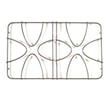
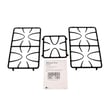
If you are also refreshing parts while swapping or reinstalling, common wear items include grates/feet and ignition components. Our DIY content can help with cleaning and burner performance checks: how to clean grates and burners on a gas cooktop video.
Last updated: January 2026
How to clean a GE Profile gas cooktop?
For a GE gas cooktop like model JGP328BEC2BB, we clean it by removing the grates and burner parts, washing them with mild soap and warm water, then drying completely before reassembling. Keeping burner ports clear helps prevent weak flames and ignition clicking.
Safe cleaning steps (daily or weekly)
- Turn all knobs off and let the cooktop cool completely.
- Lift off grates; set them aside.
- Remove burner caps and burner heads; note their positions so they go back the same way.
- Wash grates, caps, and heads in warm water with a few drops of dish soap; use a soft brush for stuck-on food.
- Wipe the cooktop surface with a soft cloth or non-scratch sponge and soapy water; rinse and dry.
- Dry every part fully, then reassemble and test each burner.
Clear clogged burner ports (for uneven or weak flame)
Food spills often clog the tiny burner openings.
- Use a soft toothbrush to scrub the burner head.
- Use a wooden toothpick to gently clear ports (avoid enlarging holes).
- If the burner head is damaged or won’t clean up, replace it with the correct part for your cooktop, such as the burner head WB16T10029 when it matches your burner position.
What to avoid (prevents damage)
- Abrasive pads or powders that can scratch finishes.
- Soaking or flooding igniters; moisture can cause clicking or delayed ignition.
- Spraying cleaner directly into burner openings.
- Reassembling parts while damp.
Quick troubleshooting after cleaning
| Symptom after cleaning | Most common cause | What to do |
|---|---|---|
| Burner clicks but won’t light | Wet igniter area or misaligned cap/head | Dry thoroughly; reseat cap and head |
| Flame is yellow or uneven | Clogged ports or cap not seated | Clean ports; reinstall correctly |
| One burner won’t adjust well | Debris in burner head or valve area | Clean burner parts; if persistent, service may be needed |
Why it matters
Regular cleaning keeps the GE burner head, igniter, and gas flow working together correctly. That means steadier flames, fewer ignition problems, and less chance of boil-overs baking onto the cooktop.
For more step-by-step visuals and best practices, use our how to clean grates and burners on a gas cooktop video.
Last updated: January 2026
What is the average cost to install a gas cooktop?
For a GE gas cooktop like model JGP328BEC2BB, the typical installed cost is about $500 to $1,000, with many homeowners landing near $650 when basic electrical or minor cabinet adjustments are needed.
What’s usually included in that price
Installation pricing varies by home setup, but it commonly covers:
- Removing the old cooktop (if one is already installed)
- Setting and securing the new cooktop in the countertop cutout
- Connecting the gas supply and checking for leaks
- Connecting power (most gas cooktops still need electricity for ignition)
- Basic burner test and flame check
What can make installation cost more
These are the most common add-ons that push the total above the average:
- New gas shutoff valve or gas line changes
- Converting fuel type (natural gas to LP or LP to natural gas) and changing orifices
- Countertop or cabinet modifications to fit the cutout
- Replacing a worn or incorrect regulator (for example, a pressure regulator WB19T10078)
- Permit or inspection requirements in your area
Quick cost breakdown (typical ranges)
| Item | Typical cost range | Notes |
|---|---|---|
| Basic install (swap-in) | $300 to $600 | Existing gas and power are already correct |
| Install with minor modifications | $500 to $1,000 | Common “average” scenario |
| Complex install | $1,000+ | Gas line reroute, major carpentry, or conversion work |
Why it matters
A gas cooktop install is a safety-critical job. Correct gas pressure regulation, leak testing, and proper burner flame characteristics help prevent ignition problems, poor cooking performance, and gas odors.
Helpful DIY reference
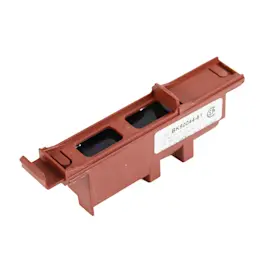
If your install involves ignition or spark issues after hookup, our how to replace a spark module on a gas cooktop guide helps you understand the ignition system components and symptoms.
Last updated: January 2026