Owner’s manual
 Error Codes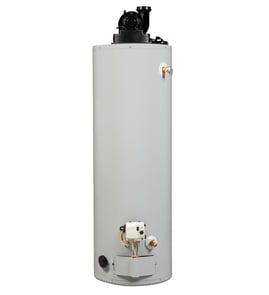



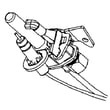
How do I read my water heater model number?
On your Kenmore gas water heater model 153331670, the model number is printed on the rating plate (data sticker) attached to the tank. Use that full model number exactly as shown when ordering parts or looking up service information in the 153331670 owner's manual.
Where to find the model number (rating plate)
The rating plate is typically on the outside of the tank near the gas control valve/thermostat area. It lists key identifiers used for parts and support.
- Look for a rectangular sticker labeled rating plate
- Write down the model number and serial number exactly
- Keep the information legible; take a clear photo for reference
- Use the model number when matching parts like a thermocouple, pilot assembly, or gas valve
- If the label is dirty, wipe gently with a damp cloth (do not use solvents)
What the model number tells us (and what to ignore)
The model number identifies the exact Kenmore water heater design so we can match the correct burner, pilot, and controls.
| Rating plate item | What it’s used for | When you need it |
|---|---|---|
| Model number (153331670) | Correct parts diagrams and part compatibility | Always |
| Serial number | Manufacturing date tracking and service reference | Often |
| Gas type | Confirms natural gas vs. other fuel | Before lighting or converting |
| BTU and other specs | Performance and installation reference | Occasionally |
Why it matters
Using the exact model number prevents ordering the wrong gas control valve/thermostat, burner parts, or safety components. The manual also notes to check the rating plate for the correct gas type before lighting the pilot.
Quick safety reminders while checking the label
- Do not remove covers or open the burner area just to find the rating plate
- If you smell gas, stop and follow the safety instructions on the water heater label
- Follow the lighting and safety instructions in the 153331670 owner's manual
Last updated: January 2026
What is the life expectancy of a Kenmore water heater?
Most Kenmore gas water heaters, including model 153331670, typically last 8 to 12 years with normal use and routine maintenance. Your actual lifespan depends most on water quality, how hot you run the thermostat, and whether key wear items (like the anode rod) are maintained.
Typical lifespan and what affects it
- Water hardness and sediment: hard water and heavy sediment shorten tank life.
- Temperature setting: higher settings increase stress on the tank and components.
- Maintenance history: periodic draining and anode rod checks extend service life.
- Installation quality: correct venting and gas setup help prevent nuisance shutdowns.
- Usage level: larger households cycle the burner more often.
Maintenance that helps you reach the high end of the range
Use the steps and intervals in the 153331670 owner's manual. In general, these actions help most:
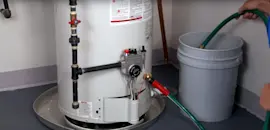
- Flush a few gallons from the drain valve periodically to reduce sediment.
- Test the temperature and pressure relief valve for proper operation.
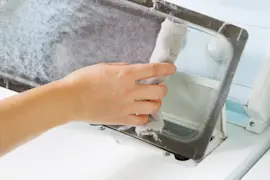
- Inspect the burner area for dust and lint buildup.
- Check venting and draft hood condition.
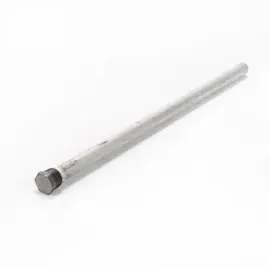
- Inspect and replace the anode rod when it is significantly depleted.
Quick guide: repair vs. replace
| What you’re seeing | What it usually means | Typical next step |
|---|---|---|
| No hot water or pilot won’t stay lit | Ignition or safety circuit issue | Diagnose pilot, thermocouple, gas valve |
| Rumbling or popping | Sediment buildup | Flush tank, evaluate performance |
| Water around the heater | Plumbing connection leak or tank leak | Confirm source; replace valve/fitting or replace heater |
| Fluctuating temperature | Control or combustion issue | Check gas control settings and burner condition |
Why it matters
A water heater near the end of its expected life is more likely to develop leaks and efficiency problems. Planning maintenance and watching for early symptoms helps you avoid unexpected downtime and protects nearby flooring and walls.
Last updated: January 2026
How long should a thermocouple last on a water heater?
On the Kenmore 153331670 gas water heater, a thermocouple typically lasts 5 to 10 years, and it can last the full life of the water heater (about 10 to 15 years) when the pilot flame is clean and stable. Heat, soot, and weak pilot flame conditions shorten its life.
What affects thermocouple life
A thermocouple sits in the pilot flame and takes constant heat cycling, so lifespan depends heavily on combustion and airflow.
- Pilot flame quality: a weak or dirty pilot may not heat the sensor consistently
- Dirty burner or pilot assembly: soot and debris reduce flame heat at the sensor
- Airflow restrictions: a clogged intake or flame arrestor can cause poor combustion
- Loose wiring connections: poor connections can mimic a “bad thermocouple” symptom
- Frequent pilot outages: repeated relighting cycles add wear
Signs the thermocouple is failing
Common symptoms look like a pilot problem because the gas valve will not stay open if the sensor signal is weak.
| Symptom | What it often points to | What to check first |
|---|---|---|
| Pilot will not stay lit after releasing the knob | Weak thermocouple signal | Pilot flame strength and sensor positioning |
| Status light behavior indicates pilot lit but low output | Sensor not producing enough voltage | Wiring tightness, weak pilot, sensor condition |
| Pilot goes out intermittently | Combustion or airflow issue | Intake screen, burner/pilot cleanliness |
What we recommend (safe, practical steps)
Use the lighting and diagnostic steps in the 153331670 owner’s manual before replacing parts.
- Turn the gas control to OFF and wait the recommended cooldown time before relighting
- Verify the pilot flame is steady and contacting the sensor tip
- Check that wiring connections at the gas valve are tight and clean
- Inspect and clean airflow areas (intake screen and flame arrestor area) as directed
- If replacement is needed, match the exact part for this model, such as the water heater thermocouple 100112327
Why it matters
A healthy thermocouple is a primary safety device; it helps the gas valve shut off gas if the pilot flame goes out. Replacing a weak thermocouple can restore reliable ignition and prevent nuisance shutdowns.
Last updated: January 2026
What is the most common problem with a gas hot water heater?
The most common gas water heater problem is loss of heat because the burner will not stay lit. On Kenmore model 153331670, this is usually tied to pilot ignition issues, restricted combustion air (lint or dust), or a safety shutdown related to temperature control settings. See the 153331670 owner's manual for the exact checks and safety steps.
Most common causes (and what you typically notice)
- Pilot will not stay lit: no hot water, burner never fires, repeated relighting.
- Weak or dirty flame due to restricted air: slow hot water recovery, lazy yellow flame, soot.
- Sediment buildup in the tank: popping or rumbling noises, reduced efficiency, longer recovery.
- Gas control/thermostat issues: water too hot, not hot enough, or temperature swings.
- Venting problems or condensation: moisture around the draft hood area, pilot may go out.
Quick checks we recommend (safe, homeowner-level)
- Confirm the temperature dial is set reasonably; a common starting point is about 120°F (the manual notes temperatures are approximate and can vary at the tap).
- If recovery is slow, check for blocked combustion air (lint and dust) around the base and intake areas.
- If you see moisture, allow 1 to 2 hours after startup for the tank to warm; early condensation can look like a leak.
- If overheating occurs or gas does not shut off, turn off the manual gas control valve and have service performed.
Parts that commonly solve “won’t stay lit” symptoms
| Symptom | Likely area | Example part for model 153331670 |
|---|---|---|
| Pilot goes out repeatedly | Pilot safety sensing | Water heater thermocouple 100112327 |
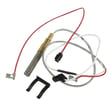
| Pilot will not light or is unstable | Pilot burner/assembly | Pilot assembly 100093983 |
| Burner lights poorly, weak flame | Main burner | Water heater burner 100111320 |
Why it matters
Pilot and combustion-air problems can stop heating completely, while an overly high temperature setting increases scald risk. The manual also notes water temperature at the point of use can vary, so stable settings and proper airflow help keep performance consistent.
Last updated: January 2026