Error Codes





How much should a 40 gallon gas hot water heater cost?
A 40-gallon gas water heater like the Rheem 21V40-7 typically runs about $500 to $1,200+ for the tank (depending on efficiency and warranty), and about $1,500 to $3,000+ installed when you include labor, venting, and code-related materials.
Typical cost ranges (what most homeowners see)
- Tank only (standard efficiency): $500 to $800
- Tank only (higher efficiency or longer warranty): $800 to $1,200+
- Professional installation (labor + common materials): $1,000 to $2,500
- Total project cost (tank + install): $1,500 to $3,000+
What drives the price up or down
- Efficiency level: higher-efficiency models cost more up front but can reduce fuel use
- Warranty length: longer warranties often correlate with higher price
- Venting needs: chimney, B-vent, or power-vent changes can add significant labor and parts
- Gas line and shutoff updates: may require new fittings or a sediment trap
- Water piping changes: replacing old valves, adding unions, or updating connectors
- Local code requirements: items like expansion tanks, drain pans, or seismic strapping (where required)
Quick comparison table
| Scenario | Tank cost | Install cost | Typical total |
|---|---|---|---|
| Basic replacement, like-for-like | $500 to $800 | $1,000 to $1,800 | $1,500 to $2,600 |
| Higher efficiency or premium warranty | $800 to $1,200+ | $1,200 to $2,500 | $2,000 to $3,700+ |
Why it matters
A water heater quote is not just the tank price. Installation details (venting, gas, plumbing, and code updates) often determine whether your total lands closer to $1,500 or pushes past $3,000.
Parts that can affect service costs on this model
If you are budgeting because of a leak, poor hot water delivery, or maintenance needs on the Rheem 21V40-7, these common service parts can matter:
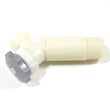
- Drain valve 100108605 (used for draining the tank during maintenance)
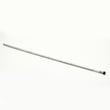
- Dip tube SP11248R (helps direct incoming cold water to the bottom of the tank)
Last updated: January 2026
What is the average labor cost to install a 40 gallon gas water heater?
For a Rheem 21V40-7 40-gallon gas water heater, average labor to install a like-for-like replacement is typically $400 to $1,000 in the U.S.; straightforward swaps can run $200 to $600, while code upgrades, venting changes, or tight access can push labor above $1,000.
What changes the labor price most
Labor varies because installers price the time, risk, and code-related work around gas, venting, and water connections.
- Swap vs. new install: replacing an existing 40-gallon gas unit is usually cheaper than a first-time install
- Venting: reworking a draft hood, flue, or vent connector adds time
- Gas piping: adding a sediment trap, resizing pipe, or moving the shutoff increases labor
- Water piping: corroded shutoffs, rigid piping, or rework for unions/flex lines adds time
- Code items: expansion tank, pan/drain, seismic strapping (where required), or combustion air changes
- Location and access: attic, crawlspace, or tight closet installs cost more
Typical labor ranges (labor only)
These are common labor-only ranges we see for 40-gallon atmospheric-vent gas water heaters like the Rheem 21V40-7.
| Job type | Typical labor range | What it usually includes |
|---|---|---|
| Basic replacement | $200 to $600 | Remove old unit, set new unit, reconnect water and gas, leak check, light and test |
| Standard replacement | $400 to $1,000 | Basic replacement plus minor piping/vent adjustments and disposal |
| Complex replacement | $1,000+ | Venting changes, significant gas/water re-pipe, access challenges, multiple code upgrades |
Parts that can affect install time on this model
If the installer finds a leaking drain valve or a damaged dip tube during replacement, addressing it can add labor (and sometimes avoids a callback).
- Drain valve 100108605 (tank draining and service connection)
- Dip tube SP11248R (directs incoming cold water to the bottom of the tank)
- New shutoff valve or flex connectors (often replaced if corroded or undersized)
- Vent connector components (replaced if rusted or improperly sized)
Why it matters
A gas water heater install is not just “set it and hook it up”; correct venting, gas leak testing, and water connection integrity directly affect safety, performance, and whether the job passes inspection.
Last updated: January 2026
What is the life expectancy of a 40 gallon gas water heater?
A 40-gallon gas water heater like the Rheem 21V40-7 typically lasts 8 to 12 years. With consistent maintenance and good water quality, it can reach about 15 years; with heavy sediment buildup or corrosive water conditions, failures can happen closer to 6 to 8 years.
Typical lifespan range (what to expect)
Here’s a practical way to think about service life for a 40-gallon gas tank water heater:
| Condition | Typical lifespan | What’s usually happening |
|---|---|---|
| Well maintained | 12 to 15 years | Less sediment, steadier burner performance |
| Average use | 8 to 12 years | Normal wear on tank lining and controls |
| Poor conditions | 6 to 8 years | Heavy sediment, corrosion, overheating, leaks |
What shortens or extends water heater life
The biggest factors are water quality, temperature settings, and how much sediment collects in the tank.
- Hard water and sediment buildup can overheat the tank bottom and stress the burner system
- High temperature settings increase scaling and corrosion rates
- Frequent “running out of hot water” can mean heavy demand and more cycling
- A dripping temperature and pressure relief valve or plumbing leaks can accelerate corrosion
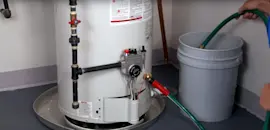
- Regular draining and flushing reduces sediment and helps maintain efficiency
Maintenance that helps you reach the high end of the range
If you want your Rheem 21V40-7 to last closer to 12 to 15 years, these steps matter most:
- Drain a few gallons periodically to remove sediment; a sticking or leaking drain can be replaced with the drain valve 100108605
- If hot water runs out quickly or you notice lukewarm water, inspect the dip tube SP11248R because a damaged dip tube can reduce usable hot water
- Keep the area around the burner and air intake clean and unobstructed
- Watch for rust-colored water, popping/rumbling sounds, or moisture at the base of the tank
Why it matters
A water heater near the end of its lifespan is more likely to lose efficiency, deliver inconsistent hot water, and develop tank leaks. Planning replacement before a leak helps avoid water damage and unexpected downtime.
Last updated: January 2026
What is the most common problem with gas water heaters?
The most common issue we see on a Rheem 21V40-7 gas water heater is pilot or burner ignition trouble, often tied to a weak thermocouple/flame-sensing problem or restricted combustion air. A close second is sediment buildup in the tank, which reduces hot water output and efficiency.
Most common symptoms and what they usually point to
- Pilot will not stay lit: thermocouple issue, dirty pilot/burner, or venting/airflow problem
- Not enough hot water: sediment in tank, dip tube problem, or thermostat/gas control issue
- Rumbling or popping noises: heavy sediment layer overheating at the bottom of the tank
- Water too hot or too cool: thermostat or gas control valve regulation problem
- Water around the heater: leaking connections, temperature and pressure relief valve discharge, or tank leak
Quick checks you can do safely
- Confirm the gas shutoff valve is fully open.
- Make sure the pilot flame is steady and blue (not weak or yellow).
- Check for blocked air intake and keep the area around the heater clear.
- If you have rumbling, plan a tank flush using the drain valve 100108605.
- If hot water runs out fast, inspect the dip tube function; a failed tube can cause rapid mixing of cold and hot water (see dip tube SP11248R).
Common problems vs. likely fixes (at a glance)
| Symptom | Most likely cause | Typical next step |
|---|---|---|
| Pilot keeps going out | Thermocouple/flame sensing, dirty pilot, airflow/venting | Clean burner area; test/replace ignition safety parts as needed |
| Rumbling/popping | Sediment buildup | Flush tank; verify drain flow |
| Short hot water duration | Dip tube issue or sediment | Inspect/replace dip tube; flush tank |
| Drips at drain outlet | Worn drain valve | Replace drain valve |
Why it matters
Pilot/ignition problems can leave you with no hot water, while sediment buildup can overheat the tank bottom, waste fuel, and shorten the life of key components. Addressing these early helps your 40-gallon Rheem heater run quieter and more efficiently.
Last updated: January 2026