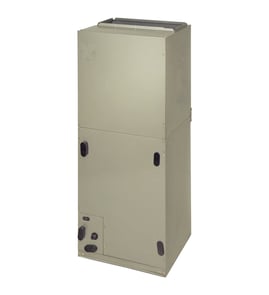



How do I find the model number on my FA4CNF048000AAAA?
Your Carrier air handler’s model number is printed on the unit’s rating plate (data tag). On the FA4CNF048000AAAA, you will typically find that label on the inside of the blower compartment door or on the cabinet side panel near the electrical/control area.
Where to look on the air handler
Check these common rating-plate locations:
- Inside the front access panel (blower compartment)
- On the inside edge of the access door
- On an exterior cabinet side panel
- Near the control board or transformer area (electrical compartment)
- Near the refrigerant line entry point (where the copper lines enter the cabinet)
What the label looks like and what to copy
The rating plate usually includes several identifiers. For parts lookup, we recommend copying:
- Model number (FA4CNF048000AAAA)
- Serial number (helps confirm production run)
- Electrical ratings (voltage and phase)
- Accessory or kit numbers (if an electric heat kit is installed)
Quick checklist before you start
Turn power off at the breaker before removing panels; air handlers contain high-voltage wiring.
- Switch the HVAC breaker OFF
- Remove the access panel screws
- Use a flashlight to read the tag
- Take a clear photo for reference
Why it matters
Carrier air handler parts can vary by revision; using the exact model number helps match the correct control board, transformer, motor, or heater components.
| If you need to identify | It helps you choose |
|---|---|
| Model number | Correct parts list and diagrams |
| Serial number | Correct revision/production range |
| Voltage/phase | Correct electrical components |
If you are matching an electrical component, compare the tag info to the part you are replacing, such as the central air conditioner air handler transformer HT01CN241.
Last updated: March 2026
What are the most common issues with FA4CNF048000AAAA?
The most common problems we see with the Carrier FA4CNF048000AAAA air handler involve low airflow, no blower operation, water around the unit, and electric heat not working (if equipped). Many issues trace back to filters, drain/condensate problems, or electrical control components.
Most common symptoms and likely causes
- Weak or no airflow: clogged filter, blocked return, dirty blower wheel, failing motor
- Blower will not run: failed control board, failed transformer, loose wiring, bad thermostat signal
- Water leaking or overflow: clogged condensate drain, cracked drain pan, improper trap/slope
- Burning smell or heat issues: electric heat element problem, airflow restriction, wiring issue
- Intermittent operation: loose connections, failing board, overheating from restricted airflow
Quick checks we recommend first (power off when opening panels)
- Replace or clean the air filter; confirm correct size and orientation
- Verify supply and return vents are open and not blocked
- Inspect the condensate drain line for clogs and confirm steady drainage
- Look for loose, overheated, or discolored wire connections
- Listen for motor hum or repeated start attempts
Parts commonly involved
When basic airflow and drain checks do not resolve the issue, these parts are frequently involved:
| Issue | Part often involved | What it does |
|---|---|---|
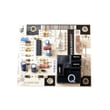
| No blower command | Central air conditioner air handler fan control board HK61EA006 | Controls blower operation |
| No 24V control power | Central air conditioner air handler transformer HT01CN241 | Supplies low-voltage power |
| Blower runs poorly or not at all | Motor HC45AQ230 | Drives the blower wheel |
| No heat (if electric heat installed) | Element L99H008 | Provides electric heat |
Why it matters
Air handlers are high-voltage appliances; a simple airflow restriction can cause overheating and repeated shutdowns, while a drain clog can lead to water damage. Addressing the root cause protects the blower, controls, and heater components.
Last updated: March 2026
What is the average lifespan of FA4CNF048000AAAA?
The average lifespan of a Carrier FA4CNF048000AAAA air handler is 15 to 20 years with normal use, correct airflow, and routine maintenance (filter changes, coil care, and condensate drainage). The blower motor and control components are the most common wear items over time.
What affects air handler lifespan most
These factors have the biggest impact on service life:
- Dirty filters or restricted returns that overheat the blower and reduce airflow
- Moisture and drain issues that cause corrosion or water damage
- Duct leakage that makes the blower run harder and longer
- Electrical stress (loose connections, power surges) that damages boards and transformers
- Improperly sized equipment that short-cycles or runs continuously
Parts that commonly determine “end of life”
If the cabinet and coil are in good shape, replacing a few parts can extend useful life:
- Blower motor
- Fan control board
- Transformer
- Electric heat components (if equipped)
For example, a failed blower control can often be addressed by replacing the central air conditioner air handler fan control board HK61EA006.
Typical lifespan by component (rule of thumb)
| Component | Typical service life | Common symptom |
|---|---|---|
| Blower motor | 10 to 15 years | Humming, overheating, weak airflow |
| Control board | 10 to 15 years | No blower command, intermittent operation |
| Transformer | 10 to 20 years | No 24V control power |
| Cabinet/coil | 15 to 20 years | Corrosion, persistent leaks |
Why it matters
Knowing the expected lifespan helps you decide whether a repair makes sense. On a 15+ year old air handler, a major motor or control repair is often weighed against overall system condition and efficiency.
Last updated: March 2026
