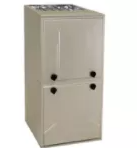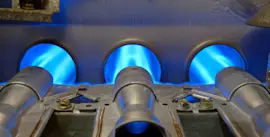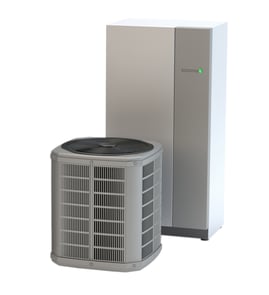

What is the drawback of package units?
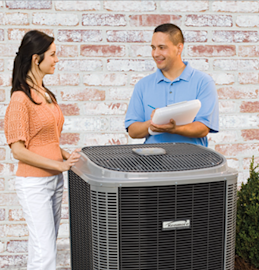
A key drawback of package units (like the Rheem RRKA-A060 gas/electric package unit) is that most components sit outdoors in one cabinet, so they are more exposed to weather, debris, and pests. That exposure commonly leads to more corrosion risk and more cabinet-related wear over time.
Common drawbacks to expect
- Outdoor exposure: rain, snow, salt air, lawn chemicals, and UV can accelerate cabinet and component wear.
- Corrosion and rust risk: especially in humid or coastal climates.
- Pests and debris: insects, rodents, and nesting material can block airflow or damage wiring.
- Harder access for some repairs: everything is packed into one cabinet, so service space can be tighter.
- More noticeable outdoor noise: the blower and compressor are outside near the home.
What you can do to reduce the downside
- Keep the area around the unit clear (leaves, grass clippings, mulch, and stored items).
- Inspect the cabinet and base pan seasonally for rust, gaps, and pest entry points.
- Replace failed safety parts promptly; for example, a tripping high-limit can point to airflow or heat issues (see limit switch 470015).
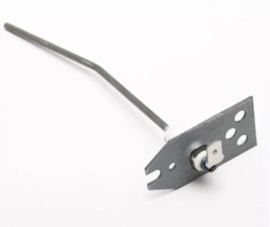
- If you suspect intermittent heat, check flame sensing and burner operation; a dirty or failing sensor can cause nuisance shutdowns (see furnace burner flame sensor 62-23543-02).
- Use safe electrical testing practices when diagnosing controls and wiring (see how to use a multimeter to test electrical parts video).
Quick comparison: package unit vs. split system
| Feature | Package unit | Split system |
|---|---|---|
| Component location | Mostly outdoors in one cabinet | Indoor air handler plus outdoor condenser |
| Weather exposure | Higher | Lower for indoor components |
| Service access | Can be tighter | Often easier at indoor air handler |
| Corrosion risk | Typically higher | Typically lower |
Why it matters
Because the RRKA-A060 combines heating and cooling in one outdoor cabinet, anything that restricts airflow (debris) or affects combustion safety (burner and flame sensing) can impact comfort, efficiency, and reliability faster than in systems with more indoor-protected components.
Last updated: February 2026
Can a heat pump do both heating and cooling?
Yes. A heat pump can provide both heating and cooling by reversing the direction of refrigerant flow: it moves heat into your home in winter and moves heat out of your home in summer. Many Rheem package units like model RRKA-A060 are designed for year-round comfort.
How it works (in plain terms)
A heat pump does not “make” heat the way a furnace does; it transfers heat.
- In cooling mode, it works like an air conditioner, removing heat from indoor air.
- In heating mode, it pulls heat from outdoor air and brings it indoors (even when it feels cold outside).
- A reversing valve switches the system between heating and cooling.
- Most systems also use electric heat strips or a gas furnace section as backup heat when needed.
What to expect from a gas/electric package unit like RRKA-A060
RRKA-A060 is a Rheem gas/electric package unit, so heating and cooling can be handled by different sections of the same cabinet.
| Mode | Primary section doing the work | Common components involved |
|---|---|---|
| Cooling | Refrigeration (AC) section | Compressor, outdoor coil, indoor coil, blower |
| Heating | Gas furnace section (and sometimes electric backup) | Burners, flame sensor, limit switch, blower |
Parts that matter when heating is not working
If your unit cools normally but will not heat (or short-cycles on heat), these model-related parts are common suspects:
- Limit switch 470015 (can open if the furnace overheats)
- Furnace burner flame sensor (helps prove flame so the gas valve stays open)
- Burner (part of the gas ignition and flame system)
Why it matters
Knowing whether you have a true heat pump, a straight cool AC with gas heat, or a dual-fuel setup changes the troubleshooting path. For example, a heating issue on a gas section often points to flame sensing, airflow, or safety switches, not the refrigeration circuit.
Last updated: February 2026
How to tell if a heat pump is two-stage?
A two-stage heat pump runs at two capacity levels (low and high) instead of only one. On a Rheem RRKA-A060 gas/electric package unit, the quickest way to tell is to check the thermostat wiring and setup for a second-stage call (Y2) and confirm the unit’s control board has a matching second-stage input.
Fast checks you can do at the thermostat
- Remove the thermostat faceplate and look for terminals labeled Y1 and Y2 (or Y and Y2). Two-stage systems typically use both.
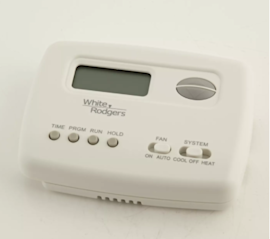
- In thermostat installer settings, look for equipment type such as “2-stage heat pump” or “2 compressor stages.”
- If you only see Y/Y1 (no Y2) and the thermostat is configured for 1 stage, the system is usually single-stage.
- If you recently replaced the thermostat, confirm it is actually configured for 2 stages (some default to 1 stage even when wired).
What to look for at the outdoor/packaged unit
Turn off power at the disconnect before opening panels.
- Check the wiring diagram inside the access panel for Y1/Y2 (or stage 1/stage 2) callouts.
- Look for a control board terminal strip labeled Y1 and Y2.
- If the compressor section uses an inverter/variable-speed drive, it may not be “two-stage” in the traditional Y1/Y2 sense.
Quick comparison
| What you see | Most likely | What it means |
|---|---|---|
| Thermostat has Y1 only | Single-stage | One compressor capacity |
| Thermostat has Y1 and Y2 | Two-stage | Low and high compressor capacity |
| Thermostat has Y1/Y2 but unit has no Y2 input | Set up mismatch | Thermostat may be misconfigured or over-capable |
Why it matters
Correct staging improves comfort and efficiency. If a two-stage system is set up as single-stage, you can get short cycling, uneven temperatures, and higher energy use.
If you’re troubleshooting heating performance too
If the unit is failing to heat reliably, a flame-sensing issue can mimic “staging” problems. For this model, a common service item is the furnace burner flame sensor 62-23543-02.
Last updated: February 2026
What is a combo heater and AC unit called?
A combo heater and AC unit is most commonly called a packaged unit (also called a package HVAC unit). Your Rheem RRKA-A060 is a gas/electric package unit that combines heating and air conditioning components in one outdoor cabinet.
Common names you will hear
- Packaged unit (package unit)
- Packaged HVAC system
- Gas/electric package unit (when heat is gas and cooling is electric)
- Packaged heat pump (when it uses a heat pump for heating and cooling)
- All-in-one HVAC unit (informal term)
How to tell which “packaged” type you have
Packaged systems come in a few common configurations. Here is a quick way to identify yours.
| Packaged system type | Heat source | Cooling method | Typical clues |
|---|---|---|---|
| Gas/electric package unit | Gas burners | A/C compressor and coil | Burner section, flame sensor, limit switch |
| Packaged heat pump | Heat pump | Heat pump | Reversing valve, defrost controls |
| Electric/electric package unit | Electric heat strips | A/C compressor and coil | No gas burners |
For RRKA-A060, the “gas/electric package unit” description matches the parts commonly used in a gas furnace section.
Why the name matters (parts and troubleshooting)
Using the right term helps you match the correct parts and diagnostics for your unit, especially for ignition and safety circuits.
- Heating problems often point to burner and flame-sensing components
- Short-cycling heat can involve safety controls such as a limit switch
- Correct naming helps ensure you order parts that fit RRKA-A060
Parts that commonly relate to the heating side
If your question is coming from a “no heat” or “heat shuts off” symptom, these RRKA-A060 parts are often involved:
Last updated: February 2026