


What is the life expectancy of a York furnace?
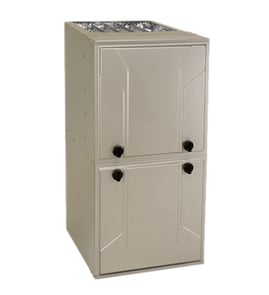
A York gas furnace like model P3URB10N05501C typically lasts 15 to 20 years. With consistent maintenance (filter changes, safe venting, and annual service), many furnaces reach the high end of that range, and some run longer before major repairs become frequent.
Typical lifespan ranges
Most upflow natural gas furnaces fall into these real-world ranges:
- 15 to 20 years: common service life for a gas furnace
- 10 to 15 years: when neglected maintenance or harsh conditions accelerate wear
- 20+ years: when installation, airflow, and yearly service are consistently solid
| What you see | What it usually means | What we recommend |
|---|---|---|
| Rising repair frequency | Wear in ignition, blower, or controls | Plan for repair vs. replace decisions based on total cost |
| Short cycling or weak airflow | Airflow restriction, blower issues, or duct problems | Replace filter; check vents and returns |
| Hard starts or no-starts | Ignition or electrical component wear | Have a technician test safeties and ignition sequence |
What affects how long your furnace lasts
These factors have the biggest impact on life expectancy:
- Filter maintenance (restricted airflow overheats the heat exchanger area and stresses the blower)
- Correct blower performance (weak start or poor run can point to a failing run capacitor)
- Clean combustion and venting (stable draft and clean burners reduce stress on ignition)
- Proper sizing and ductwork (oversizing often causes short cycling)
- Annual inspection and tune-up (catches small issues before they become expensive)
A quick part-related check that often matters
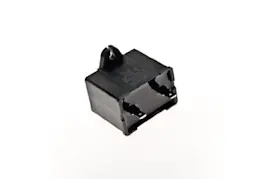
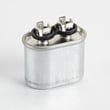
If your blower motor struggles to start, hums, or runs inconsistently, a failing run capacitor is a common cause on many furnaces. For this model, we list a compatible capacitor 12907.
Why it matters
Once a furnace gets into the later part of its lifespan, small airflow or electrical issues can snowball into overheating, nuisance shutdowns, and higher energy use. Keeping airflow and the blower system healthy is one of the best ways to protect the furnace’s remaining years.
Last updated: February 2026
What is the most expensive part to fix on a furnace?
For a York P3URB10N05501C upflow natural gas furnace, the most expensive repair is typically the heat exchanger because it is a major sealed combustion component and replacement labor is extensive. Other high-cost repairs often involve the blower motor assembly, control board, inducer motor, or gas valve.
Typical “most expensive” furnace repairs (what usually tops the list)
- Heat exchanger: commonly the highest total cost due to labor intensity and critical safety checks
- Blower motor or blower assembly: high part cost plus setup and airflow verification
- Control board (furnace control): expensive electronics; diagnosis time can add up
- Draft inducer motor: moderate-to-high part cost; venting and pressure switch operation must be verified
- Gas valve: part cost plus combustion setup checks
Cost comparison (typical ranges)
Actual pricing varies by region, furnace size, and labor rates, but these ranges reflect what we see most often for major furnace components.
| Component | Why it gets expensive | Typical total repair range (parts + labor) |
|---|---|---|
| Heat exchanger | Major disassembly; combustion safety verification | $1,000 to $3,500+ |
| Blower motor/assembly | High part cost; airflow setup | $400 to $1,500+ |
| Control board | Costly electronics; diagnostic time | $300 to $1,500+ |
| Inducer motor | Venting and pressure checks | $300 to $1,200+ |
| Gas valve | Combustion-related checks | $200 to $1,000+ |
What you can check first (before assuming a major part failed)
These quick checks often prevent unnecessary parts replacement.
- Replace the furnace filter and confirm return vents are open
- Verify the thermostat is calling for heat and has fresh batteries (if applicable)
- Check the breaker and furnace service switch
- Look for a tripped rollout switch or open door interlock (if equipped)
- If the blower will not start or hums, a weak run capacitor is a common cause
A common, lower-cost fix on this model page
If your symptom points to a blower motor that struggles to start, runs hot, or hums, the motor run capacitor is a frequent wear item. For this model, we list a capacitor 12907 that may apply depending on your furnace’s motor configuration.
Why it matters
High-cost furnace repairs usually involve combustion, airflow, or control components. Correct diagnosis protects comfort, efficiency, and safe operation, and it helps you avoid replacing expensive parts that are not actually failed.
Last updated: February 2026
What is the most common part to fail on a furnace?
The most common “failure” we see on furnaces is actually restricted airflow from a dirty air filter, which overheats the furnace and trips a safety limit so it shuts down. On a York P3URB10N05501C upflow natural gas furnace, the most commonly replaced parts are ignition and flame-sensing components, plus blower-related electrical parts like a run capacitor.
Most common furnace problems (in order)
- Clogged air filter or blocked return vents (causes overheating and safety shutdown)
- Flame sensor dirty (burners light, then shut off after a few seconds)
- Igniter wear (no ignition, repeated tries)
- Run capacitor weak (blower hums, starts slowly, or won’t start)
- Thermostat or low-voltage wiring issue (no call for heat)
- Blown fuse or tripped breaker (no power to controls)
Quick checks you can do safely
- Replace the air filter; confirm supply and return vents are open.
- Set thermostat to HEAT and raise setpoint 3 to 5 degrees.
- Watch the start-up sequence: inducer runs, igniter glows, burners light, blower starts.
- If burners light then stop quickly, clean the flame sensor (lightly) and retry.
- If the blower struggles to start, test the run capacitor with a meter and replace if out of spec.
Common symptoms and what they usually point to
| Symptom | Most likely cause | Typical next step |
|---|---|---|
| Furnace starts then shuts off | Airflow restriction or limit switch trip | Replace filter; check vents and blower wheel |
| Burners light then go out in seconds | Dirty flame sensor | Clean flame sensor; check grounding |
| Humming from blower, no airflow | Weak run capacitor | Test and replace capacitor |
| Nothing happens at all | Power, fuse, or thermostat issue | Check breaker, door switch, control fuse |
Part that often fixes blower-start issues
If your blower motor is slow to start, only starts sometimes, or just hums, a weak run capacitor is a common cause. For this model, we list a compatible capacitor 12907.
Why it matters
Most furnace “breakdowns” are safety shutdowns caused by airflow or flame-proving problems. Fixing the root cause (filter, flame sensor, capacitor) restores heat and helps prevent repeated cycling that stresses the control board and blower motor.
Last updated: February 2026
What are signs of a failing furnace part?
Common signs of a failing part in your York P3URB10N05501C upflow natural gas furnace include hard starts, weak or no airflow, short cycling, repeated breaker trips, and new noises or odors. These symptoms usually point to a specific component (blower, ignition, controls, or wiring) that needs testing.
Quick symptoms and what they often mean
- Furnace will not start: thermostat signal issue, safety switch open, control problem, or power interruption
- Runs but no heat: ignition or gas/air proving issue (often shows up as repeated attempts to light)
- Blower not running or weak airflow: blower motor, capacitor, or airflow restriction
- Keeps tripping the breaker: shorted wire, failing motor, or failing electrical component
- Thermostat says heat on but furnace is not running: control board not responding, safety lockout, or open limit switch
- Loud buzzing/humming: electrical component strain (commonly a capacitor or motor)
- Burning or “electrical” smell: overheating wiring, motor, or control component (shut the system off and inspect)
A simple check sequence we recommend
- Turn the thermostat to HEAT and raise the setpoint 3 to 5 degrees.
- Confirm the furnace has power (service switch on; breaker not tripped).
- Listen for the normal order of operation: inducer starts, ignition, burner lights, then blower.
- Check the air filter and supply/return vents for blockage.
- If the blower hums but does not spin, test the run capacitor and motor.
Part that commonly causes blower symptoms
If your blower motor struggles to start, runs intermittently, or only hums, a weak run capacitor is a common cause. For this model, we list the capacitor 12907 (part number 024-20045-700) as an in-stock replacement option.
| Symptom | Most likely area | Typical next step |
|---|---|---|
| Hums, blower will not start | Capacitor or motor | Test capacitor; inspect motor wiring |
| Breaker trips on heat call | Motor or shorted wiring | Inspect wiring; test motor amp draw |
| Starts then shuts off quickly | Airflow or safety limit | Replace filter; check vents and blower |
Why it matters
Catching a failing furnace part early helps prevent no-heat situations, nuisance lockouts, and electrical damage to controls or wiring. It also keeps airflow and heat output stable, which reduces wear on the blower and ignition system.
Last updated: February 2026