Owner’s manual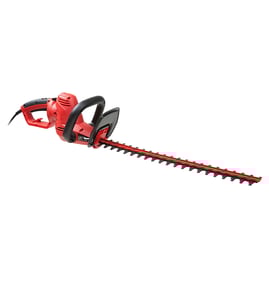
What are the common problems with hedge trimmers?
Common hedge trimmer problems include blades binding from sap or debris, poor cutting from dull blades, and the motor stalling when the cutter bar jams. On your Craftsman 172797760 hedge trimmer, routine inspection, cleaning, and blade lubrication before and after each use prevent most of these issues (see the owner's manual).
Most common issues we see
- Blade binding/jamming: twigs, thick stems, or built-up sap can stop the blades.
- Dull blades: causes tearing, uneven cuts, and more frequent stalling.
- Overheating or frequent stopping: often tied to heavy cutting load or poor blade maintenance.
- Electrical cord problems (corded models): damaged extension cords, cut cords, or poor connections.
- Hidden obstructions: landscape wire, fencing, or other objects can jam or damage the cutting bar.
Quick checks and fixes (safe, practical steps)
- Turn the switch off and keep hands away from the cutter bar before clearing a jam.
- Inspect the hedge line for hidden wires/obstructions before trimming.
- Clean the blades, then lubricate before and after each use to reduce binding and corrosion.
- Keep cutting edges sharp and clean so the tool is less likely to bind.
- If you use an extension cord, inspect it periodically and replace it if damaged.
Symptoms and likely causes
| Symptom | Most likely cause | What to do first |
|---|---|---|
| Blades stop mid-cut | Debris jam, cutting too thick | Power off; clear jam; cut smaller branches |
| Ragged cuts | Dull/dirty blades | Clean; sharpen; lubricate |
| Tool feels hard to control | Binding blades, one-hand use | Use both hands; clean and lubricate |
| Concern about shock risk | Blade contacts hidden wiring/cord | Stop immediately; follow manual safety steps |
Why it matters
Binding blades and stalled motors are more than an inconvenience; they increase kickback risk, reduce cut quality, and shorten blade life. Regular lubrication and checking for hidden wires or obstructions keeps your Craftsman hedge trimmer cutting smoothly and safely.
Last updated: February 2026
Is a 400W hedge trimmer good?
A 400W hedge trimmer is a solid choice for light to medium trimming, but what matters most is the cutting capacity and blade design. For the Craftsman 172797760 hedge trimmer, the motor is rated at 4.5 amps and is designed to cut branches up to 3/4 inch, which is more meaningful than watts alone (see the owner's manual).
How to judge whether 400W is “good”
Use these practical checks to match power to your yard work:
- Branch thickness: If you routinely cut thicker stems, prioritize a higher cutting capacity.
- Blade length: Longer blades reach farther but can feel harder to control.
- Strokes per minute (SPM): Higher SPM generally cuts faster in dense growth.
- Corded vs. cordless: Corded models deliver steady power; cordless depends on battery voltage and amp-hours.
- Ergonomics: A wrap handle and rotating rear handle reduce fatigue on longer jobs.
What we know about Craftsman 172797760 performance
Based on the model’s documented features, this trimmer is built for typical homeowner hedge work.
| Spec or feature | What it means for you |
|---|---|
| 4.5 amp motor | Strong, steady power for routine trimming |
| Up to 3/4-inch cutting capacity | Handles many common hedge stems and small branches |
| 1800 SPM (no-load) | Faster cutting action on most hedge growth |
| 22-inch steel cutting blade | Good reach for shaping and leveling hedges |
| Dual cutting action | Helps reduce vibration and improves cut quality |
Safety and setup tips that affect results
Power is only part of “good”; safe setup and technique help you cut cleaner and avoid stalls.
- Plug into a 120V, 60Hz AC household outlet.
- Use a GFCI-protected outlet for outdoor work.
- Use the cord retainer so the extension cord does not pull loose.
- Wear ANSI Z87.1 eye protection.
- Disconnect power before cleaning, oiling blades, or making adjustments.
Why it matters
If the trimmer is underpowered for your hedge type, you will see more snagging, slower progress, and more motor heat. Matching cutting capacity, SPM, and blade length to your hedge thickness gives better cuts and longer tool life.
Last updated: February 2026
Can you spray WD-40 on hedge trimmer blades?
Yes, you can spray WD-40 on the blades of your Craftsman 172797760 hedge trimmer for quick cleaning and short-term rust protection, but we treat it as a cleaner and moisture displacer, not your primary blade lubricant. For best cutting and blade life, lubricate the blades before and after each use as described in the owner's manual.
Best practice for cleaning and lubricating blades
Before you do anything, unplug the hedge trimmer; the manual warns it should never be connected to power when cleaning or oiling.
- Disconnect from the power source and wait for the blades to fully stop coasting.
- Brush off debris from the cutting blade and air intakes (a soft brush works well).
- Wipe the tool with a soft, dry cloth.
- Apply a light oil so it runs between the two blades (oil along the blade edge).
- During long trimming sessions, stop occasionally, unplug, and re-oil.
When WD-40 helps (and when it does not)
WD-40 is useful when you need to loosen sticky sap, displace moisture, and reduce surface rust after use. It is not a long-lasting lubricant for the cutting action, so follow up with a proper light oil for hedge trimmer blades.
| Task | WD-40 | Light blade oil |
|---|---|---|
| Remove sap and grime | Good | Fair |
| Short-term corrosion protection | Good | Good |
| Long-term lubrication between blades | Limited | Best |
| Dust and clipping buildup risk | Higher if overapplied | Lower when applied lightly |
Why it matters
This model’s manual calls out blade lubrication before and after each use; skipping lubrication shortens blade life and can make cutting harder (more binding and poorer control). Keeping blades clean and oiled also helps prevent corrosion during storage.
Safety reminders we follow
- Keep hands away from the blade; contact can cause serious injury.
- Unplug before clearing jams, making adjustments, cleaning, or oiling.
- Inspect the hedge area for hidden wires or obstructions before trimming.
Last updated: February 2026
What is the best brand for hedge trimmers?
The best hedge trimmer brand is the one that matches your cutting needs (power type, blade length, and cut capacity) and feels safe and comfortable in your hands. Craftsman model 172797760 is a solid corded-electric choice for steady power and straightforward care; follow the 172797760 owner's manual for safe operation and maintenance.
How we recommend choosing a “best” brand
Focus on performance and fit, not just the name:
- Pick power type: corded electric for consistent power, battery for mobility, gas for heavy-duty work
- Match cut capacity to what you actually cut (don’t force thick branches)
- Choose blade length for your hedge size and control
- Prioritize low vibration and ergonomics (grip comfort, balance, handle design)
- Confirm safety controls (lock-off and trigger safety)
- Plan for maintenance (easy cleaning and blade lubrication)
What Craftsman 172797760 is built to do
From the manual, this model is designed for typical residential trimming.
| Spec or feature | Craftsman 172797760 | Why it matters |
|---|---|---|
| Power | 120V corded electric | Steady cutting power for long sessions |
| Motor | 4.5 amp | Good for routine hedge and shrub work |
| Blade | 22-inch steel blade | Covers more hedge per pass |
| Cut capacity | Up to 3/4-inch branches | Helps prevent stalling and overheating |
Maintenance that makes any brand “better”
Good upkeep is what keeps cutting fast and clean:
- Disconnect from power before cleaning or oiling
- Wipe plastic surfaces with a soft, dry cloth (no water)
- Lubricate blades before and after each use
- Inspect for worn or damaged parts before storage
Why it matters
When the trimmer matches your hedge thickness and you keep the blades lubricated, you get cleaner cuts, less strain on the motor, and longer tool life.
Last updated: February 2026
What is the difference between a hedge trimmer and a hedge cutter?
A hedge trimmer is the common name for a powered tool with reciprocating blades used to shape and maintain hedges; “hedge cutter” is often used as a generic term and usually implies heavier cutting on thicker, woodier growth. The Craftsman 172797760 is an electric hedge trimmer intended for controlled, two-handed trimming.
Quick comparison
| Feature | Hedge trimmer (like Craftsman 172797760) | “Hedge cutter” (common usage) |
|---|---|---|
| Typical job | Shaping, routine hedge maintenance | Cutting back overgrown hedges, thicker stems |
| Blade action | Reciprocating (back-and-forth) | Often the same; term varies by region/brand |
| Power | Corded electric or battery | Often higher-power electric/battery or gas |
| Best for | Cleaner lines and lighter cuts | More aggressive cutback work |
What we know about Craftsman 172797760
The manual for this model describes it as an electric hedge trimmer with features such as a 4.5-amp motor and a 22-inch steel cutting blade, plus two-handed handling features (wrap assist handle and rotating rear handle). For the exact operating limits and safety instructions, use the 172797760 owner's manual.
How to choose the right tool for the job
- Use a hedge trimmer for routine shaping and trimming green, flexible growth.
- Use a heavier-duty “cutter” style tool when you regularly face thick, woody stems.
- Cut in passes; don’t force the blades through material that stalls the motor.
- Keep the cord behind you and away from the cutting path on corded models.
- Clear jams only with the switch off and the tool unplugged.
Why it matters
Matching the tool to the thickness and density of the hedge prevents jams, ragged cuts, and premature wear. It also reduces safety risk; this model’s manual stresses two-handed operation and keeping hands and the power cord away from the blades.
Last updated: February 2026