


How much should a central air conditioner cost?
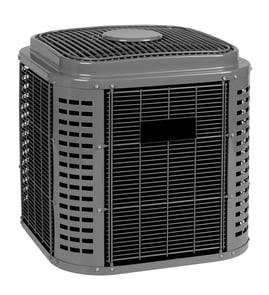
A central air conditioner system typically costs about $4,000 to $12,000 installed, with price driven mostly by tonnage (capacity), efficiency rating, ductwork condition, and installation complexity. For Icp model CA5024VKA1 (a cooling condenser), the outdoor unit is only one part of the total system cost.
- Capacity (tons/BTU): Larger homes need larger condensers and coils.
- Efficiency (SEER/SEER2): Higher efficiency usually costs more up front.
- Ductwork: Repairs, sealing, or replacement can add significant cost.
- Electrical and pad work: Disconnect, whip, breaker sizing, and condenser pad condition.
- Refrigerant line set: Reuse vs. replace, length, and accessibility.
- Labor and permitting: Varies by region and job complexity.
| What you’re paying for | Typical range | Notes |
|---|---|---|
| Outdoor condenser + indoor coil (matched) | $3,500 to $9,000 | Most common replacement scope |
| Full system replacement (add furnace/air handler) | $6,000 to $12,000+ | Higher when equipment and ductwork change |
| Ductwork repair or replacement (if needed) | $1,500 to $6,000+ | Depends on home size and access |
If your CA5024VKA1 is not cooling well, a targeted repair is often the best first step when the unit is otherwise in good shape.
Common, cost-effective repairs on this model include:
- Replacing a weak run capacitor such as the capacitor 12986
- Replacing a failing condenser fan motor such as the central air conditioner condenser fan motor, 1/3-hp 1050703
- Replacing a pitted contactor (a frequent no-cool cause)
Sizing and installation quality affect comfort, humidity control, energy use, and compressor life. Getting the right capacity and fixing airflow or electrical issues first can prevent paying for equipment you do not need.
Last updated: February 2026
What is the average lifespan of a central air conditioning unit?
Most central air conditioning units last 15 to 20 years with normal use and regular maintenance. For an Icp cooling condenser like model CA5024VKA1, keeping airflow strong and electrical parts healthy is what most often determines whether you reach the high end of that range.
- 15 to 20 years: common for properly sized, well-maintained central AC systems
- 10 to 15 years: common when maintenance is inconsistent or the unit runs long hours in extreme heat
- Under 10 years: usually tied to chronic airflow issues, electrical failures, or corrosive environments
| Condition | What you’ll typically see | Lifespan impact |
|---|---|---|
| Regular coil cleaning and correct airflow | Lower run time, steadier cooling | Extends life |
| Weak airflow or dirty outdoor coil | Higher pressures, hotter compressor | Shortens life |
| Electrical wear (pitted contacts, weak capacitor) | Hard starts, intermittent cooling | Shortens life |
- Dirty condenser coil or blocked airflow around the outdoor unit
- Frequent short cycling (often tied to sizing, airflow, or control issues)
- Loose, overheated, or damaged wiring connections
- Worn electrical start/run components (contactor, capacitor)
- Fan problems that reduce heat rejection (fan motor, fan blade, motor mount)
- Keep at least 2 feet of clearance around the outdoor unit; remove leaves and debris
- Rinse the outdoor coil gently (power off first); keep fins straight
- Replace/clean indoor air filters on schedule to protect airflow
- Have refrigerant charge and electrical connections checked periodically
- If you notice hard starting or buzzing, test the capacitor and contactor before they damage other components
A central AC system is a chain; when one link (like the condenser fan motor or capacitor) weakens, the compressor runs hotter and longer. Fixing small issues early often prevents the expensive failures that end a unit’s life.
If you’re troubleshooting a no-cool or no-start condition on CA5024VKA1, common replacement items include the capacitor 12986 and central air conditioner condenser fan motor, 1/3-hp 1050703.
Last updated: February 2026
How do you know when your central air conditioner needs to be replaced?
If your Icp central air conditioner condenser model CA5024VKA1 is around 10 to 15 years old, needs frequent repairs, cools unevenly, or your energy bills keep rising, replacement is typically the better long-term fix than continuing to replace major components.
- You have multiple repairs in a single season (especially electrical and motor-related)
- The system struggles to keep set temperature on normal summer days
- You hear loud buzzing, grinding, or repeated hard starts
- The outdoor unit short-cycles (starts and stops frequently)
- You see burnt wiring or pitted contacts in the electrical compartment
- The condenser fan runs poorly or stops, even after cleaning and basic checks
A good rule is: if a repair is expensive and the unit is already older, replacement usually wins on reliability and efficiency.
| What you’re seeing | Most common meaning | Typical next step |
|---|---|---|
| Frequent no-cool calls | Multiple aging components | Price replacement vs. another repair |
| Fan not running or overheating | Fan motor or capacitor issues | Repair if unit is newer; replace if recurring |
| Clicking/humming, then no start | Contactor/capacitor or compressor start issue | Diagnose electrical parts first |
| Rising electric bills with same usage | Efficiency loss, airflow or refrigerant issues | Full system evaluation; consider replacement |
On older condensers, repeated failures in these areas are a strong replacement signal because they can stack up quickly.
- Electrical switching: a worn contactor can cause intermittent starts (see central air conditioner condenser fan motor, 1/3-hp 1050703 for related fan-side symptoms when starts are weak)
- Start/run components: a weak capacitor can cause hard starting and overheating (see capacitor 12986)
- Air movement: a failing fan motor or damaged blade can raise head pressure and shorten compressor life (see fan blade 1087331)
Replacing at the right time prevents repeated breakdowns during peak heat, reduces the risk of secondary damage (like overheated wiring or compressor stress), and typically lowers operating cost compared with an aging, inefficient condenser.
Last updated: February 2026
Can I replace AC spare parts myself?
Yes, you can replace some parts on your Icp central air conditioner condenser model CA5024VKA1 yourself, but only if the job is electrical-only and you can safely shut off power. Anything that opens the sealed refrigerant system should be handled by a qualified HVAC technician.
These are common DIY replacements on a condenser because they do not require opening refrigerant lines:
- Run capacitor or dual capacitor (if the fan or compressor will not start)
- Contactor (if the outdoor unit will not pull in when cooling is called)
- Condenser fan motor (if the fan blade is not spinning or is noisy)
- Fan blade (if bent, cracked, or wobbling)
- Fan motor mount (if the motor is loose or vibrating)
Helpful parts for this model include the capacitor 12986, central air conditioner condenser fan motor, 1/3-hp 1050703, and fan blade 1087331.
If the repair involves refrigerant, brazing, evacuation, or charging, it is not a DIY task.
- Replacing a service valve
- Fixing refrigerant leaks
- Replacing the compressor
- Any repair requiring gauges, vacuum pump, or refrigerant handling
Working inside a condenser exposes you to high voltage and stored electrical energy.
- Turn off power at the outdoor disconnect and the breaker
- Confirm power is off with a meter (capacitors can still hold a charge)
- Take a photo of wiring before removing anything
- Label wires and move one wire at a time
- Replace parts with matching electrical ratings (voltage, microfarads, coil voltage)
For electrical testing basics, use our how to use a multimeter to test electrical parts video.
| Task | Typical DIY difficulty | Common symptom |
|---|---|---|
| Replace capacitor | Medium | Hums, hard start, fan not spinning |
| Replace contactor | Medium | No click, outdoor unit not engaging |
| Replace fan motor | Medium to high | Fan stops, overheats, loud grinding |
| Refrigerant-side repair | Not DIY | Icing, low cooling, leak signs |
A wrong capacitor rating, miswired contactor, or unsafe power handling can damage the condenser fan motor, trip breakers, or create a shock hazard. Doing only the electrical-only repairs you can complete confidently keeps the CA5024VKA1 reliable and avoids repeat failures.
Last updated: February 2026
What is the most expensive part to replace on an AC unit?
On an Icp CA5024VKA1 central air conditioner (outdoor condenser), the most expensive single component to replace is typically the compressor. Compressor replacement is labor-intensive because it involves sealed refrigerant-system work, and it often includes additional diagnosis to prevent repeat failure.
- It is a sealed refrigeration component; replacement requires refrigerant recovery, evacuation, and recharge.
- Labor time is higher than most electrical repairs.
- A failed compressor can be caused by overheating, airflow problems, or electrical damage that also needs correction.
- On older systems, compressor replacement can approach the cost of replacing the condenser.
These repairs can also be expensive depending on what failed and how long the system ran with the problem:
- Condenser fan motor replacement
- Refrigerant leak repair (locate leak, repair, evacuate, recharge)
- Condenser coil replacement
- Electrical wiring and connection repairs (burnt terminals, damaged conductors)
These parts often fix “won’t start” or “no cooling” symptoms at a much lower cost than a compressor repair:
- Capacitor 12986 (run/start capacitor)
- Capcitor 12871 (capacitor)
- Central air conditioner condenser fan motor, 1/3-hp 1050703
| Repair item | Typical cost impact | What you usually notice |
|---|---|---|
| Compressor | Highest | Breaker trips, hard-start symptoms, no cooling |
| Condenser fan motor | Medium to high | Fan not spinning, unit overheats and shuts off |
| Capacitor | Low to medium | Clicking/humming, fan or compressor struggles to start |
Knowing the “big ticket” part helps you prioritize diagnosis. We recommend confirming the failure with electrical tests and a full system check before purchasing major components.
Last updated: February 2026