Error Codes




Are all washing machines 85cm high?
No. Many full-size washers are around 85 cm (about 33.5 inches) tall, but not all washing machines are exactly 85 cm high. For the GE GFW850SPN5RS washer, the exact height depends on the cabinet design and whether the leveling legs are adjusted.
Typical washer size ranges (what we see most often)
Most washers fall into a few common size bands, especially in laundry closets and under-counter installs:
- Full-size front-load washers: often around 85 to 99 cm (33.5 to 39 inches) tall
- Compact or “slim” washers: often around 67 to 85 cm (26 to 33.5 inches) tall
- Depth: commonly 55 to 60 cm (about 22 to 24 inches) for standard units; slim models are often 45 to 50 cm (about 18 to 20 inches)
- Width: commonly 60 to 69 cm (about 24 to 27 inches)
How to measure your washer correctly
Use a tape measure and check these points so you do not get surprised during installation:
- Measure floor to top of the cabinet (not the control panel angle)
- Include any top overhangs or raised rear sections
- Check height with the washer leveled (legs adjusted)
- Measure depth including the door if you need clearance for a hallway or closet door
- Leave space for fill hoses and the drain hose behind the unit
Quick conversion guide
| Measurement | Centimeters | Inches (approx.) |
|---|---|---|
| Common “standard” height | 85 cm | 33.5 in |
| Taller front-load height range | 90 to 99 cm | 35.5 to 39 in |
| Slim depth range | 45 to 50 cm | 18 to 20 in |
| Standard depth range | 55 to 60 cm | 22 to 24 in |
Why it matters
Washer height is not just a spec; it affects whether the unit fits under shelving, aligns with a dryer pedestal, and clears closet doors. Leveling-leg adjustment can also change the final installed height slightly.
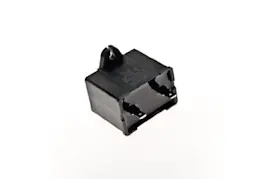
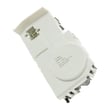
If you are troubleshooting fitment after a move or install, we also recommend checking for shipping or vibration-related issues that can show up after repositioning; the accelerometer WH03X37841 is one of the components involved in out-of-balance sensing on this model.
Last updated: February 2026
How to force GE washer to drain and spin?
On the GE GFW850SPN5RS washer, the quickest way to force a drain and spin is to cancel the current cycle, then run Drain + Spin. If the washer will not drain, we treat it as a drain system problem (clog, hose issue, or drain pump not running).
Fast steps to drain and spin
- Press Power to wake the control.
- Press Start/Pause once to pause.
- Hold Start/Pause (or Cancel) to end the cycle (if your panel shows Cancel, use it).
- Select Drain + Spin.
- Press Start/Pause to start.
If it still will not drain
Unplug the washer for safety, then check the most common causes in this order:
- Verify the standpipe or sink drain is not backing up.
- Check the drain hose for kinks, crushing, or a clogged end.
- Listen for the drain pump: a steady hum with no water movement often points to a blockage.
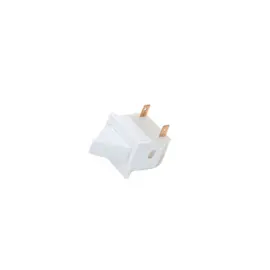
- If the door will not lock, the washer may refuse to spin; inspect the GE washer door lock WH01X29528.
- If the pump is silent or intermittent, suspect the GE washer drain pump assembly WH11X39237.
Quick symptom guide
| What you notice | Most likely cause | What we check first |
|---|---|---|
| Water stays in tub, pump hums | Coin/sock blockage | Drain hose and pump inlet |
| No pump sound at all | Pump or control issue | Pump wiring, then pump |
| Drains but will not spin | Door lock or balance sensing | Door lock, load size |
| Stops mid-drain with code | Fault detected | GE gfw front load washer error codes |
Why it matters
A front-load washer like the GE GFW850SPN5RS will not spin at high speed until it confirms the door is locked and water is draining correctly. Running Drain + Spin is the safest way to clear water before troubleshooting parts like the drain pump, door lock, or control.
Last updated: February 2026
What is the life expectancy of a GE washing machine?
Most GE front-load washers like model GFW850SPN5RS typically last 10 to 14 years. Real-world lifespan depends most on load size, detergent use (especially HE detergent), installation leveling, and how quickly you address issues such as draining or door-lock problems.
What affects lifespan the most
- Overloading strains the drive system, tub, and suspension.
- Too much detergent causes oversudsing and residue that can stress the drain system.
- Poor leveling increases vibration and wear on suspension components.
- Moisture left in the door boot promotes odor and buildup that can shorten seal life.
- Ignoring early symptoms (slow drain, door not locking, error codes) often leads to bigger repairs.
Quick maintenance habits that add years
- Leave the door slightly open between loads to help the tub and gasket dry.
- Run a monthly cleaning cycle (or hot cycle) with washer cleaner.
- Use the correct amount of HE detergent; reduce for soft water.
- Check pockets to prevent coins, screws, and debris from damaging the pump.
- Re-level the washer if it starts walking or vibrating more than normal.
Common wear items vs. “big” repairs
| What you notice | Often involved | Typical impact |
|---|---|---|
| Door won’t lock or unlock | GE washer door lock WH01X29528 | Can stop cycles from starting or finishing |
| Won’t drain, water left in tub | GE washer drain pump assembly WH11X39237 | Can cause shutdowns and odor issues |
| Loud vibration or banging | Suspension spring WH03X29511 | Accelerates wear on tub and bearings |
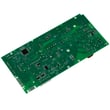
| Random stopping or no power | GE washer electronic control board WH22X37840 | Can prevent operation entirely |
Why it matters
A front-load washer’s most expensive failures are usually tied to the tub, motor, or electronics. Catching early symptoms and replacing a worn part (like a door lock or drain pump) often keeps a GE washer like GFW850SPN5RS running closer to the 14-year end of the typical range.
Last updated: February 2026
How do I tell what model my GE washer is?
To identify your GE washer model, look for the model and serial tag on the cabinet. On the GE GFW850SPN5RS front-load washer, the label is most often found behind the door (on the door opening or door jamb) or on the cabinet near the bottom edge.
Where to look on a front-load GE washer
Check these common label locations in this order:
- Behind the door on the door opening (door jamb area)
- Along the inside edge of the door opening near the hinge side
- On the main cabinet side panel near the bottom front
- On the back of the washer cabinet
- Under the top edge of the control panel area (less common on front-loaders)
What to write down (and why)
Record the information exactly as printed so we can match the correct washer parts and diagrams.
| What you see on the tag | Example | Why it matters |
|---|---|---|
| Model number | GFW850SPN5RS | Ensures exact-fit parts for your washer |
| Serial number | (varies) | Helps confirm production version and compatible revisions |
| Brand | GE | Confirms the correct parts catalog family |
Tips if the tag is hard to read
- Wipe the label gently with a damp cloth; avoid harsh cleaners
- Use your phone camera and zoom in; try a flashlight from the side
- Copy letters and numbers exactly; model numbers are case-sensitive
- If you only need parts for a door not latching, match by model first, then consider the GE washer door lock WH01X29528
Why it matters
GE washers can look similar across multiple model families, but parts like the door lock, control board, and water inlet valve can vary by revision. Using the exact model number prevents ordering the wrong part and saves repair time.
Last updated: February 2026
What voids a GE washer warranty?
For a GE washer like model GFW850SPN5RS, the warranty is typically voided by damage caused by misuse or improper installation, unauthorized modifications, or lack of reasonable care and maintenance. In practice, that means GE can deny coverage when the failure is caused by something other than a defect in materials or workmanship.
Common things that void (or can void) warranty coverage
- Misuse, abuse, or accidents (overloading, repeated out-of-balance operation, impact damage)
- Alterations or unauthorized repairs (non-factory modifications, bypassing safety devices)
- Improper installation or incorrect electrical supply (wrong voltage, poor grounding, incorrect hookups)
- Lack of proper care and routine maintenance (neglect that leads to preventable failures)
- Damage from external events (flood, fire, lightning, wind, or similar conditions)
Quick examples (what is covered vs. not covered)
| Situation | Typical outcome |
|---|---|
| Control fails under normal use | Usually covered (defect-related) |
| Board damaged by power surge or incorrect voltage | Usually not covered |
| Door won’t lock because latch was forced | Usually not covered |
| Leak caused by a cracked hose from age or installation issue | Usually not covered |
If you are troubleshooting a failure first
Before assuming it is warranty-related, we recommend checking for a clear, correctable cause. These are common on front-load GE washers:
- If the washer won’t start or won’t respond, check the door lock and latch alignment; a failed GE washer door lock WH01X29528 can prevent operation.
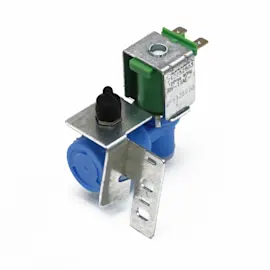
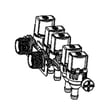
- If the unit won’t fill or fills slowly, confirm both supply valves are fully open and screens are clear; a failing GE washer water inlet valve WH23X29553 can also cause fill problems.
- If the washer is dead or acting erratically after a storm or outage, inspect for signs of electrical damage; the main control is the GE washer electronic control board WH22X37840.
Why it matters
Warranty decisions often come down to cause: if the root cause is installation, environment, or user-related damage, coverage is commonly denied. If the root cause is a manufacturing defect under normal use, coverage is commonly approved.
Last updated: February 2026