Installation guide
 Owner’s manual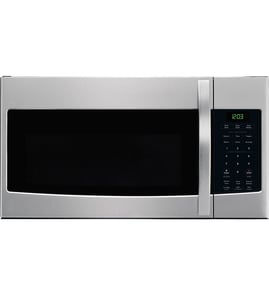



Is a Frigidaire microwave a good microwave?
Yes. Frigidaire microwaves are a solid, dependable choice for everyday cooking, and your Frigidaire FMV156DCC microwave/hood combo is designed for normal home heating, cooking, and defrosting when it’s used and installed as directed in the FMV156DCC owner's manual.
A microwave is “good” when it heats evenly, runs reliably, and stays safe in daily use. For this model, that comes down to correct use, ventilation, and keeping the door and safety interlocks in proper condition.
- Use the microwave only for cooking and reheating food (not for chemicals or non-food uses).
- Never run it empty; always have food inside to absorb microwave energy.
- Do not defeat or tamper with the door safety interlocks.
- Keep the door sealing surfaces clean and free of residue.
- Expect normal behaviors like condensation and the magnetron cycling at lower power levels.
Use this checklist to judge performance before assuming a failure.
| What you notice | What it usually means | What to do next |
|---|---|---|
| Food heats slowly or unevenly | Power level, load size, or cookware issue | Try a microwave-safe container and 100% power; follow cooking guidance in the manual |
| Loud buzzing only while heating | Normal magnetron/transformer sound or a developing component issue | Stop if it’s new or extreme; inspect for arcing and review safe-use guidance |
| Runs but does not heat | Common heating-circuit problem (not a simple setting) | Use our troubleshooting steps in why is my microwave not heating |
| Door feels loose or won’t latch cleanly | Latch or interlock alignment issue | Stop using it until the door closes firmly; check latch parts and alignment |
If the door does not close and latch smoothly, or the unit acts “dead” when the door moves, these parts are common suspects on over-the-range microwaves.
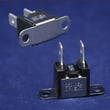
- Microwave door interlock switch 5304493153 (door safety switch)
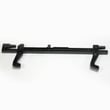
- Microwave door latch spring 5304440316 (helps the latch engage consistently)
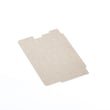
- Microwave waveguide cover 5304440845 (protects the waveguide area; replace if burned or damaged)
A microwave can seem “fine” but still be unsafe or unreliable if the door, latch, or interlock system is worn. Keeping those components in good shape helps prevent no-heat symptoms, nuisance shutoffs, and unsafe operation.
Last updated: February 2026
What causes a Frigidaire microwave to stop working?
A Frigidaire FMV156DCC microwave/hood combo usually stops working because it is not getting power, the door is not fully latching (so the safety interlocks stay open), or an internal protection device such as a fuse has opened. Start with power and door checks, then move to component diagnosis.
- Confirm the outlet has power (try a small lamp or phone charger).
- Reset the breaker or GFCI if the circuit is tripped.
- If your unit is on a wall switch, make sure the switch is on.
- Unplug the microwave for 1 minute, then plug it back in to reset the control.
- Close the door firmly; do not slam it.
Microwaves use door safety interlocks to prevent operation with the door open. If the latch or switch system is worn, the unit can appear completely dead or stop mid-cycle.
- Worn or failed door interlock switch: check/replace the microwave door interlock switch 5304493153.
- Weak/broken latch spring so the door does not fully engage: inspect the microwave door latch spring 5304440316.
- Loose wiring connection or failed line filter (can cause intermittent power loss): inspect the microwave noise filter 5304492543.
We follow the same safety guidance found in the FMV156DCC owner's manual: do not operate the microwave with a damaged door or defeated interlocks. Internal high-voltage components can retain a dangerous charge even when unplugged, so internal electrical testing is best handled by a qualified technician.
| What you notice | Most likely area to check | Typical next step |
|---|---|---|
| Display is blank, no response | Power supply to unit, line filter, fuse | Verify outlet and breaker; then inspect internal power components |
| Runs but does not heat | High-voltage heating circuit | Use a technician for diagnosis |
| Works only when you lift/push the door | Door latch or interlock switches | Inspect latch alignment; replace switch or spring if worn |
| Stops when you open/close the door | Door interlock switch sticking | Replace the interlock switch |
Door interlock problems are common on over-the-range microwaves because the door is used constantly. Fixing the latch or switch early helps prevent nuisance shutdowns and protects the control and high-voltage system.
Last updated: February 2026
What size is the Frigidaire Model FMV156DCC?
The Frigidaire microwave/hood combo model FMV156DCC measures 29 15/16 in. wide x 16 1/4 in. high x 15 9/16 in. deep (outside dimensions, not including the handle). For the cooking cavity, it is 17 1/2 in. wide x 9 7/8 in. high x 14 15/16 in. deep, with a 1.5 cu. ft. capacity. See the owner's manual for the full specification list.
- Outside (W x H x D): 29 15/16 in. x 16 1/4 in. x 15 9/16 in.
- Outside note: does not include the handle
- Cavity (W x H x D): 17 1/2 in. x 9 7/8 in. x 14 15/16 in.
- Capacity: 1.5 cu. ft.
- Electrical: 120V, 60Hz AC
| Measurement | FMV156DCC spec |
|---|---|
| Outside width | 29 15/16 in. |
| Outside height | 16 1/4 in. |
| Outside depth | 15 9/16 in. |
| Cavity width | 17 1/2 in. |
| Cavity height | 9 7/8 in. |
| Cavity depth | 14 15/16 in. |
| Oven capacity | 1.5 cu. ft. |
Getting the exact outside dimensions helps you confirm fit in a standard over-the-range opening and ensures the microwave clears nearby cabinets. The cavity dimensions and capacity help you confirm whether your cookware and common dishes will fit on the turntable.
For mounting clearances, venting setup, and cabinet measurements, follow the installation guide so the unit sits level and the hood vent aligns correctly.
Last updated: February 2026
What is the average lifespan of a Frigidaire microwave?
A Frigidaire microwave typically lasts 9 years. With normal daily use and basic care (keeping it clean, using proper cookware, and avoiding running it empty), many units reach the 7 to 10 year range before major components or door-safety parts start wearing out.
- Running the microwave empty: this overheats the magnetron area and shortens life.
- Door wear and slamming: stresses the latch and safety interlocks.
- Grease and steam buildup (microwave/hood combos): can affect airflow and cooling.
- Power quality: frequent surges or nuisance trips can stress electrical components.
- Overheating: blocked vents or a failing cooling fan can reduce service life.
Use these habits to keep your FMV156DCC running longer:
- Keep the cavity and door sealing surfaces clean and dry.
- Do not defeat or tamper with the door safety interlocks.
- Do not operate the unit with no food inside for more than a minute or two.
- Use microwave-safe containers; avoid metal and foil unless the manual allows it.
- Keep the vent path clear so the cooling system can move air.
| Symptom | Most common cause | What to check first |
|---|---|---|
| Runs but does not heat | High-voltage heating circuit issue | Start with basic power checks and door closure |
| Dead, no display | Blown fuse or power supply issue | Outlet, breaker, then internal fuse (service-level repair) |
| Starts then stops when door moves | Door switch or latch problem | Door alignment and interlock operation |
| Loud buzzing or overheating smell | Cooling or electrical component stress | Venting, fan operation, signs of arcing |
If the door is not closing and latching consistently, the door interlock system is a frequent wear area; the microwave door interlock switch 5304493153 is one of the model-specific parts used in that safety circuit.
Microwaves rely on a sealed door and working interlocks for safe operation. As the unit ages, door-latch and switch wear can cause nuisance shutoffs, no-heat complaints, or intermittent operation. Following the operating and safety guidance in the FMV156DCC owner's manual helps protect key components and extends usable life.
Last updated: February 2026