




Is there a heater and air conditioner combo?
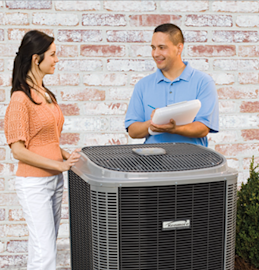
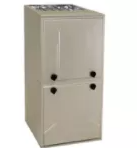
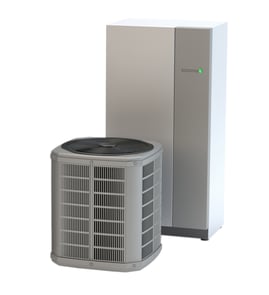
Yes. Your Rheem RRMA-A042 is a heater and air conditioner combo (a gas/electric package unit) that provides both cooling and heat in one outdoor cabinet, using shared components like the blower and controls to switch between modes.
Common types of heater and AC combos
- Gas/electric package unit (like RRMA-A042): gas heat plus electric air conditioning in one cabinet
- Heat pump system: provides heating and cooling by reversing refrigerant flow (often with electric backup heat)
- Ductless mini-split heat pump: heating and cooling with indoor heads and an outdoor unit
- Room AC with heat: window or through-the-wall units with electric heat (best for single rooms)
What “combo” means for RRMA-A042
In a package unit, heating and cooling share the air-moving and safety/control systems. If you are troubleshooting comfort issues, these parts commonly affect performance:
| Symptom | More likely cooling-side issue | More likely heating-side issue |
|---|---|---|
| Outdoor fan not running | Fan motor, capacitor | Less common |
| Unit hums, struggles to start | Start capacitor, start kit | Less common |
| Heat runs briefly then shuts off | Less common | Limit switch, flame sensing |
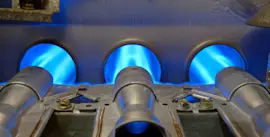
| Burners light then go out | N/A | Flame sensor |
Parts that often come up in combo-unit repairs
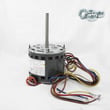
- Motor WG840465 (condenser fan motor) for outdoor fan problems
- Limit switch 470015 for overheating or short cycling in heat mode
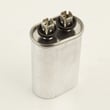
- Central air conditioner start capacitor (part number 43-17075-04) for hard-start or no-start symptoms
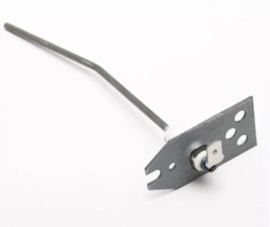
- Furnace burner flame sensor (part number 62-23543-02) for burner ignition that will not stay lit
Why it matters
Knowing the unit type helps you troubleshoot faster: a package unit like the Rheem RRMA-A042 has both heating and cooling components in one cabinet, so symptoms can point you to either the refrigeration side (fan motor, capacitors) or the gas heat safety side (flame sensor, limit switch).
Last updated: February 2026
What are the common problems with Rheem heat pumps?
Common problems on a Rheem RRMA-A042 gas/electric package unit (heat pump style symptoms included) are airflow restrictions, electrical start/run failures, dirty coils, and safety lockouts that stop heating or cooling. The most frequent root causes are maintenance issues (filters, coils) or failing electrical parts.
Most common symptoms and what they usually point to
- Outdoor fan not running or unit overheats: failing condenser fan motor, bad capacitor, or damaged fan blade
- Hard starting, humming, or breaker trips: weak start capacitor, run capacitor, or start kit issues
- Short cycling (starts then stops): limit switch opening from overheating, airflow problems, or weak capacitor
- No heat (gas heat section) or intermittent heat: dirty flame sensor, burner issues, or a limit switch opening
- Poor heating/cooling performance: dirty coils, clogged filter, duct restrictions, or low refrigerant (sealed system)
- Unusual noise/vibration: bent fan blade, loose mounting hardware, or motor bearing wear
Parts on this RRMA-A042 that commonly relate to those problems
If your symptoms match, these are the first parts we see replaced on package units like this model:
| Symptom | Common suspect part | Example part on this model |
|---|---|---|
| Fan not spinning, overheating | Condenser fan motor | Motor WG840465 |
| Hums, struggles to start | Start capacitor | Central air conditioner start capacitor 43-17075-04 |
| Random shutdowns from heat | Limit switch | Limit switch 470015 |
| Gas heat won’t stay lit | Flame sensing issue | Furnace burner flame sensor 62-23543-02 |
Quick checks we recommend before replacing parts
- Replace or clean the air filter; confirm supply and return vents are open
- Inspect the outdoor coil for dirt and debris; clean carefully (power off)
- Listen for the outdoor fan: spinning smoothly vs. humming or stalled
- Look for scorched wires or loose spade connectors (power off)
- If you have a meter, test capacitors and verify voltage safely; use how to use a multimeter to test electrical parts video
Why it matters
Airflow and electrical start components (capacitors, fan motor) directly affect compressor temperature and run time. Catching a weak capacitor or failing fan motor early helps prevent nuisance shutdowns and more expensive damage.
Last updated: February 2026
What are the parts of the HVAC heat pump system?
A heat pump HVAC system in a Rheem RRMA-A042 gas/electric package unit is built around the refrigeration circuit (compressor, coils, metering device, and reversing valve) plus air-moving and safety controls. The exact component list varies by configuration, but these are the core parts you will troubleshoot and replace most often.
Main parts you will typically find
- Compressor (pumps refrigerant through the system)
- Outdoor coil and indoor coil (move heat in and out)
- Reversing valve (switches between heating and cooling)
- Metering device (TXV or fixed orifice; controls refrigerant flow)
- Condenser fan motor and fan blade (moves air across the outdoor coil)
- Blower motor (moves air through ducts)
Common electrical and safety components
These parts often cause “won’t start,” “trips breaker,” or “runs but no heat/cool” symptoms:
- Run/start capacitors (help motors start and run)
- Contactor/relays (switch high voltage to the compressor and fan)
- Limit switches and other safeties (shut the unit down if overheating occurs)
- Flame sensor (package units with gas heat use this to prove burner flame)
| System area | What it does | Common symptom when it fails |
|---|---|---|
| Air movement | Pushes air across coils and through ducts | Weak airflow, icing, poor comfort |
| Refrigeration circuit | Transfers heat using refrigerant | No cooling, no heat in heat-pump mode |
| Controls and safeties | Starts/stops equipment safely | Short cycling, no start, lockout |
Parts on this RRMA-A042 page that relate to heat pump operation
If you are diagnosing a no-cool/no-heat or fan issue, these model-listed parts are frequent suspects:
- Motor WG840465 (condenser fan motor)
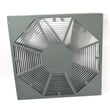
- Fan blade 70-21848-05
- Central air conditioner start capacitor 43-17075-04
- Limit switch 470015
- Furnace burner flame sensor 62-23543-02 (for the gas-heat section)
Why it matters
Knowing which section you are working on (airflow, refrigeration, or controls) helps you test the right components first, avoid unnecessary parts, and restore safe heating and cooling performance.
Last updated: February 2026
What is the $5000 AC rule?
The $5000 AC rule is a quick repair vs. replace guideline: multiply your air conditioner’s age (in years) by the estimated repair cost; if the result is over $5,000, replacement usually makes more financial sense. For a Rheem RRMA-A042 gas/electric package unit, we use it as a starting point, then confirm the actual failed part and overall system condition.
How to use the rule (step-by-step)
- Find the unit’s age in years (from the data plate or install date).
- Get a repair estimate that includes parts and labor.
- Multiply: age × repair cost.
- Compare the result to $5,000.
- Factor in comfort and reliability (repeat breakdowns matter).
Quick examples
| Unit age | Repair cost | Age × cost | Typical decision |
|---|---|---|---|
| 6 years | $400 | $2,400 | Repair is usually reasonable |
| 10 years | $700 | $7,000 | Replacement often makes sense |
| 14 years | $350 | $4,900 | Repair can be reasonable if the unit is otherwise solid |
What the rule misses (important for package units)
Even if the math points to “repair,” we also look at what actually failed and how hard the unit has been working.
- Airflow or motor issues: A failing condenser fan motor can lead to overheating and repeated shutdowns (example part: motor WG840465).
- Heat-side safety trips: A limit switch opening repeatedly can signal overheating from airflow problems or burner issues (example part: limit switch 470015).
- Hard-start symptoms: If the compressor struggles to start, a start kit is sometimes used as part of the repair plan (example part: start kit sk-a1).
Why it matters
The $5000 rule helps prevent sinking money into an older system with rising repair frequency. Used correctly, it keeps the decision focused on total cost, reliability, and the likelihood that one repair will truly stabilize your Rheem RRMA-A042.
Last updated: February 2026
Is a hybrid HVAC worth it?
A hybrid HVAC (dual-fuel heat pump plus gas furnace) is worth it when it lowers your total heating cost and improves comfort in your climate. Your Rheem RRMA-A042 is a gas/electric package unit (gas heat with electric cooling), so “hybrid” savings comparisons apply to a different system type.
What “hybrid HVAC” means (and what RRMA-A042 is)
Hybrid (dual-fuel) systems switch between:
- An electric heat pump for mild outdoor temperatures
- A gas (or propane) furnace for colder weather
- Controls that manage automatic changeover
RRMA-A042 is typically:
- Gas heat section (burners, flame sensing, safety limits)
- Electric air conditioning section (compressor circuit, capacitors, condenser fan)
- One packaged cabinet serving the home through ductwork
When a hybrid system is worth it
Hybrid HVAC pays off when these conditions line up:
- Electricity is relatively affordable during much of the heating season
- Winters are moderate with long “shoulder seasons” (fall and spring)
- You want heat pump efficiency most days and gas backup for cold snaps
- You plan to stay in the home long enough to recover higher install cost
- You want redundancy (two heat sources)
Quick decision guide
| Situation | Hybrid HVAC value | Better fit |
|---|---|---|
| Mild to moderate winters | High | Hybrid (dual-fuel) system |
| Long, very cold winters | Medium | Gas heat focused system |
| High electric rates | Lower | Gas heat focused system |
| Existing package unit like RRMA-A042 | Depends on replacement plan | Repair or replace package unit |
Why it matters
“Worth it” depends on matching equipment type to your home and utility costs. Comparing hybrid HVAC to a gas/electric package unit can lead to the wrong expectations about operating cost and components.
Parts that affect heating or cooling performance on RRMA-A042
If you are troubleshooting comfort or shutdowns on this model, these parts commonly relate to airflow and safety:
- Motor WG840465 (condenser fan motor)
- Limit switch 470015 (overheat safety switch)
For safe electrical testing basics, use how to use a multimeter to test electrical parts video.
Last updated: February 2026