


Where can I find my KitchenAid model reference number?
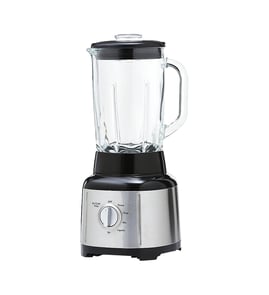
On your KitchenAid blender model KSB4027WH0, the model reference number is typically printed on a rating label on the underside of the base or on the bottom plate near the power cord entry. We use that exact model number to match the correct parts and diagrams.
Where to look on a KitchenAid blender
Check these common label locations first:
- Bottom of the blender base (flip the unit over and look for a sticker or stamped plate)
- Underside rim of the base near the rubber feet
- Near where the power cord enters the base
- Inside the base cavity if there is a removable trim ring (unplug first)
What the label usually shows
Most KitchenAid small-appliance labels include a few identifiers. Use the model number for parts lookup.
| Label item | What it’s used for | Example you might see |
|---|---|---|
| Model number | Matching parts and diagrams | KSB4027WH0 |
| Serial number | Manufacturing info, service history | Varies |
| Electrical rating | Verifying power requirements | Volts/amps/watts |
Why it matters for ordering parts
KitchenAid often uses similar-looking blender bases across multiple series, but internal components can differ. Using the exact model reference number helps us select the right fit for items like the jar assembly W11433178 or the blender drive coupling W11627528.
Quick tips before you order
- Write the model number exactly as shown (letters and numbers matter)
- If the label is worn, take a clear photo and zoom in
- Match the model number first, then confirm the part name and part ID
- If you are troubleshooting a noise or slipping issue, check the coupling area for wear
Last updated: February 2026
Why is my KitchenAid blender leaking?
A KitchenAid blender like model KSB4027WH0 usually leaks when the jar-to-base seal is compromised or the jar assembly is cracked. Start by checking the jar seating and sealing surfaces; if the leak persists, replacing the jar assembly is the most reliable fix.
Quick checks that fix most leaks
- Unplug the blender and remove the jar.
- Reseat the jar fully on the base; a slightly misaligned jar can drip.
- Wash and dry the jar rim and base contact area; residue can prevent a tight seal.
- Inspect the jar for hairline cracks, especially near the bottom and around the blade area.
- Confirm the lid is installed correctly; overfilling can force liquid past the lid.
Common leak sources on KSB4027WH0
| Where you see liquid | Most likely cause | What to do |
|---|---|---|
| Under the jar, dripping onto the base | Worn/damaged jar sealing area or jar damage | Replace the jar assembly W11433178 |
| Around the jar sitting on the base | Jar not seated flat; debris on contact surfaces | Clean, dry, and reseat jar |
| From the top while blending | Overfill; lid not seated | Reduce fill level; reseat lid |
Parts that often solve the problem
If the leak is coming from the bottom of the jar, the fix is typically a complete jar replacement because the sealing surfaces and blade area are part of the assembly.
- Jar assembly W11433178: best choice for cracks, worn sealing surfaces, or persistent bottom leaks
- Pad, jar W11678568: helps stabilize the jar and reduce vibration that can worsen seepage
- Lid assembly W11752211: helps when leaks are from splashing or a poor lid seal
Why it matters
Even a small leak can let liquid reach the drive area and electronics, leading to slipping, unusual noise, or premature wear. Fixing the seal early helps protect the motor base and keeps blending performance consistent.
Last updated: February 2026
Can I put my KitchenAid blender in the dishwasher?
Yes, for the KitchenAid KSB4027WH0 blender, the removable jar and lid are typically dishwasher-safe, while the motor base and any electrical parts must stay out of the dishwasher. For best results, we recommend hand-washing when you want to protect seals and keep parts fitting tightly.
What you can (and cannot) dishwash
- Dishwasher-safe (typical): jar, lid, removable cap/plug (if equipped)
- Do not dishwash: motor base, power cord, control knob area
- Avoid soaking: the underside of the jar where it interfaces with the drive system
- If you see cracking, clouding, or leaks: switch to hand-washing to extend part life
Quick cleaning method (no disassembly)
- Fill the jar halfway with warm water.
- Add a drop or two of dish soap.
- Run on a low speed for 10 to 20 seconds.
- Rinse well and air-dry with the lid off.
Parts that matter if cleaning issues show up
If the jar starts leaking, wobbling, or not engaging smoothly after repeated dishwasher cycles, these model-matched parts are the first ones we check:
| Symptom after cleaning | Most likely area | Model-matched part to consider |
|---|---|---|
| Jar slips or blades do not spin consistently | Drive interface | Blender drive coupling W11627528 |
| Jar rocks, rattles, or sits unevenly | Jar seating surface | Pad, jar W11678568 |
| Lid no longer seals well or fits tightly | Lid wear/warping | Lid assembly W11752211 |
Why it matters
High heat and strong detergents can shorten the life of plastic, rubber sealing surfaces, and the jar-to-base interface. Keeping the base dry and using gentler cleaning helps prevent leaks, slipping, and premature wear.
Last updated: February 2026