Owner’s manual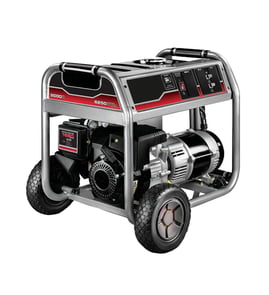





How much oil does a Craftsman CMXGGAS030729 generator take?
The Craftsman CMXGGAS030729 generator typically takes about 20 oz (0.6 L) of engine oil for a full fill from empty. For the correct final level, we always fill slowly and stop when the oil reaches the “FULL” mark on the dipstick as shown in the CMXGGAS030729 owner's manual.
- Place the generator on a level surface and let the engine cool.
- Remove the oil fill cap/dipstick, wipe it clean, then reinsert to check level.
- Add the recommended oil a little at a time; recheck the dipstick often.
- Do not overfill; too much oil can cause hard starting, smoking, or fouled spark plug.
- Reinstall the dipstick securely before starting.
| What you need | Typical spec for this generator type | What to do on your CMXGGAS030729 |
|---|---|---|
| Oil capacity (dry) | About 20 oz (0.6 L) | Fill to dipstick “FULL” line |
| Common oil type | SAE 10W-30 | Use the oil grade listed in the manual |
| When to check | Before each use | Check level with unit level |
Running low on oil can trigger low-oil shutdown (if equipped) or cause rapid engine wear. Overfilling can also create performance problems. The dipstick level is the final authority because a small tilt or leftover oil changes the amount needed.
Last updated: February 2026
Are Craftsman generators any good?
Craftsman generators, including the Craftsman CMXGGAS030729, are a solid choice when you want dependable backup power at a reasonable price. In real-world use, they are typically praised for straightforward operation and good value; compared with premium brands, the most common tradeoffs are higher noise and more basic fit and finish.
A generator is “good” when it starts reliably, holds steady voltage under load, and has parts support for normal wear items (fuel system, breakers, switches, and controls). For the CMXGGAS030729, we commonly see owners focus on these practical factors:
- Starts consistently (fresh fuel, good spark, clean air flow)
- Produces stable power for mixed household loads
- Has working overload protection (breakers)
- Has serviceable fuel and ignition components
- Has a support path for replacement parts and maintenance
| What you get | What to watch for | Best practice |
|---|---|---|
| Strong value for home backup | Louder than many inverter-only premium units | Place it outdoors at a safe distance; use a heavy-duty cord sized for the load |
| Simple controls and common service parts | Fuel-related issues after storage | Drain or treat fuel before storage; run it periodically |
| Easy to maintain with basic tools | Wear on small hardware and accessories | Inspect fasteners, wheels, and guards during oil changes |
If performance drops, these are the first areas we check because they directly affect starting and power delivery:
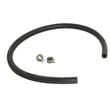
- Fuel delivery: clogged or cracked lines (see fuel line kit 791745)
- Output protection: nuisance trips or no output (see generator circuit breaker, 20-amp 209872GS)
- On/off control: intermittent shutoff or no start signal (see generator engine switch 312684GS)
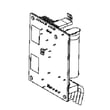
- Voltage stability: fluctuating output under load (see generator voltage regulator 705692)
A “good” generator is the one that matches your use case. For occasional outages, a Craftsman portable generator is a practical balance of cost and capability. If you need ultra-quiet operation or frequent, long runtime use, that is where higher-end inverter models tend to justify their price.
For model-specific operating guidance, maintenance intervals, and safety steps, follow the CMXGGAS030729 owner's manual.
Last updated: February 2026
How long will a Craftsman CMXGGAS030729 generator run?
The Craftsman CMXGGAS030729 generator runs up to about 19 hours at 50% load on a full tank under normal conditions. Actual runtime changes with total wattage, engine speed, and fuel quality; use the run-time and fueling guidance in the CMXGGAS030729 owner's manual for the best planning.
Generator runtime is primarily fuel consumption; higher electrical demand burns more gasoline.
- Load level (watts used): more watts equals shorter runtime
- Motor starting surges: refrigerators, well pumps, and AC units increase fuel use
- Eco/idle control setting (if equipped): steady, lighter loads run longer
- Fuel condition: fresh gasoline runs cleaner and steadier than stale fuel
- Maintenance: dirty air filter, spark plug wear, or carb issues reduce efficiency
Use these planning ranges for portable gasoline generators like the CMXGGAS030729.
| Load level | Typical use example | Runtime expectation |
|---|---|---|
| Light (about 25%) | Lights, TV, small fan | Often longer than the 50% load rating |
| Medium (about 50%) | Fridge plus lights and small appliances | Up to about 19 hours (published maximum) |
| Heavy (75% to 100%) | Multiple large loads, frequent surges | Shortest runtime; refuel more often |
Work through these checks before assuming a major generator problem.
- Reduce load; unplug high-surge items and add them back one at a time
- Confirm breakers are not tripping; replace a weak breaker such as the generator circuit breaker, 20-amp 209872GS if it will not hold under normal load
- Drain old fuel and refill with fresh gasoline
- Check for fuel restriction or leaks; replace cracked lines with the fuel line kit 791745
- If output is unstable, inspect the charging/excitation system; a failing generator voltage regulator 705692 can cause poor performance under load
Accurate runtime planning helps you schedule safe refueling, avoid overload shutdowns, and keep critical loads powered during outages.
Last updated: February 2026