 Owner’s manual
 Error Codes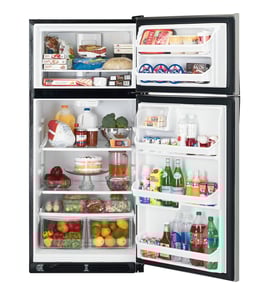



What is the most expensive part to replace on a refrigerator?
The most expensive refrigerator repair is usually the compressor or other sealed-system work (refrigerant leak repair, drier replacement, or recharging). On a Winia WTE18GCWCD top-mount refrigerator, these repairs typically cost the most because they require specialized tools, sealed-system access, and more labor than common electrical parts.
- Compressor replacement: High part cost plus sealed-system labor.
- Sealed-system leak repair: Finding and repairing leaks is time-consuming.
- Evaporator or condenser replacement (sealed-system components): Often requires refrigerant recovery and recharge.
- Main control board (if equipped): Can be pricey and is sometimes misdiagnosed.
- Labor and refrigerant handling: A major part of the total bill on sealed-system jobs.
These are common industry ranges for many household refrigerators; your total depends on labor rates and what failed.
| Repair type | Typical total cost range | Complexity |
|---|---|---|
| Compressor or sealed-system repair | $600 to $1,500+ | High |
| Control board replacement | $250 to $700 | Medium |
| Evaporator fan motor replacement | $150 to $400 | Low to medium |
| Thermostat/thermistor replacement | $150 to $350 | Low to medium |
- If the refrigerator is cooling poorly and you hear unusual compressor noises, sealed-system diagnosis is a priority.
- If the unit is not cooling but fans run, a control issue or sealed-system issue is possible.
- If you hear warmth in the freezer with no airflow, the evaporator fan or frost buildup is more likely.
- If the refrigerator is older and needs sealed-system work, replacement is often the better value.
The compressor and sealed system are the heart of refrigeration. When they fail, the repair is expensive mainly because of labor, refrigerant handling, and the precision required to restore proper cooling.
For model-specific component locations and diagnostic checks, use the WTE18GCWCD owner's manual.
Last updated: February 2026
What is the top mount refrigerator?
A top-mount refrigerator is a classic refrigerator layout where the freezer compartment is on top and the fresh-food (refrigerator) compartment is below. Your Winia WTE18GCWCD uses this design to keep everyday refrigerated items at easy reach while storing frozen foods above.
- Top section: freezer compartment (ice trays or optional ice maker area, depending on configuration)
- Bottom section: fresh-food compartment for produce, beverages, and leftovers
- Single cooling system: cold air is produced at the evaporator and distributed through vents
- Temperature controls: typically adjust overall cooling and airflow balance between sections
| Feature | Top-mount refrigerator | Why it matters |
|---|---|---|
| Freezer position | Top | Frozen foods are stored above eye level for many users |
| Fresh-food access | Lower section | Most-used items are usually at a comfortable height |
| Cooling behavior | Freezer often cools first | A freezer that is cold but fridge that is warm often points to airflow issues |
| Maintenance | Straightforward | Common service items include door seals, fans, and defrost components |
- Fridge warm, freezer cold: blocked vents, weak evaporator fan, or frost buildup restricting airflow
- Uneven temperatures: overpacked shelves blocking air circulation
- Moisture or odors: door not sealing well, spills, or old food
- Water puddles: defrost drain restriction or condensation management issues
For step-by-step operating details and control settings specific to the Winia WTE18GCWCD, use the owner's manual.
Knowing you have a top-mount layout helps you troubleshoot smarter: many cooling complaints are airflow-related because cold air is generated near the freezer and must move down into the fresh-food section.
Last updated: February 2026
What are the main 5 parts of a refrigerator?
The main 5 parts that make a refrigerator (including your Winia WTE18GCWCD top-mount refrigerator) cool are the compressor, condenser coil, evaporator coil, metering device (capillary tube/expansion device), and thermostat/control. These work together to move heat out of the cabinet and keep food at safe temperatures.
- Compressor: pumps refrigerant through the sealed system; it is the “engine” of cooling.
- Condenser coil: releases heat to the room air as refrigerant condenses.
- Evaporator coil: absorbs heat inside the freezer/refrigerator as refrigerant evaporates.
- Metering device (capillary tube/expansion device): drops refrigerant pressure so it can get cold in the evaporator.
- Thermostat or electronic temperature control: senses temperature and cycles cooling on and off.
These are not part of the sealed refrigeration loop, but they are common service items and strongly affect performance:
- Evaporator fan motor (moves cold air across the evaporator and into the fresh-food section)
- Condenser fan motor (on many models, moves air across the condenser and compressor area)
- Defrost system (defrost heater, defrost thermostat, control board/timer)
- Door gasket (keeps warm, moist air out)
- Thermistors/sensors (on electronic-control models)
| Symptom | Most likely area to check first | What you typically notice |
|---|---|---|
| Warm fridge and warm freezer | Compressor, condenser, controls | Little or no cooling anywhere |
| Freezer cold, fridge warm | Evaporator fan, airflow/vents, defrost | Poor airflow to fresh-food section |
| Frost buildup on back wall/freezer | Defrost system | Ice/frost reduces airflow |
| Runs constantly, weak cooling | Condenser coil/fan, door gasket | Hot cabinet sides, poor efficiency |
Knowing the “core 5” helps you troubleshoot faster: cooling problems usually trace back to heat removal (condenser side), heat absorption (evaporator side), or temperature sensing/control. For model-specific component locations and access panels, use the WTE18GCWCD owner's manual.
Last updated: February 2026
What is the top part of a refrigerator called?
On a Winia WTE18GCWCD top-mount refrigerator, the top section is typically called the freezer compartment (or simply the freezer). It’s the colder compartment designed to keep foods frozen and, on some models, it can also house an ice maker.
You may see different wording in diagrams and parts lists, but they usually mean the same top section:
- Freezer compartment
- Freezer section
- Freezer cabinet (less common)
- Freezer liner (refers to the interior plastic shell)
- Freezer door (the door for the top compartment)
For the exact terminology used for your Winia WTE18GCWCD, check the compartment labels and diagrams in the WTE18GCWCD owner's manual.
Even when the refrigerator is described as “top-mount,” the freezer area is made up of several sub-parts and features.
| Term | What it refers to | Why you’d use the term |
|---|---|---|
| Freezer compartment | The entire top cold space | General troubleshooting and usage |
| Freezer door | The upper door assembly | Door alignment, sealing, hinges |
| Freezer shelves/bins | Storage components inside the freezer | Broken shelf, missing bin |
| Evaporator area | Cooling components that create cold air | No-cool, frost buildup, fan noise |
Using the right name helps you match the correct diagrams and instructions when you’re troubleshooting cooling issues, door sealing problems, or frost buildup. It also makes it easier to identify the correct section when following step-by-step procedures in the manual.
If the top section is not staying cold or you hear unusual fan noise, this guide is a good next step: how to fix your evaporator cooling fan.
Last updated: February 2026
What are the most commonly replaced parts in a refrigerator?
In a Winia WTE18GCWCD top-mount refrigerator, the most commonly replaced parts are the ones that affect sealing, airflow, defrosting, and water supply: door gaskets, evaporator and condenser fans, defrost components, temperature sensors (thermistors), and water inlet parts (if equipped). Use the owner's manual to match symptoms to the correct component.
- Door gasket (door seal): warm air leaks, frost buildup, sweating around the door
- Evaporator fan motor: weak cooling in the fresh food section, unusual fan noise
- Condenser fan motor: poor cooling, hot cabinet sides, compressor running often
- Defrost heater / defrost thermostat / defrost control: heavy frost on the evaporator, warming after a few days
- Thermistor (temperature sensor): temperature swings, short cycling, incorrect temperatures
- Water inlet valve / water tubing (if your model has an ice maker or water line): no ice, slow fill, leaking at the back
- Shelves, bins, and drawers: cracks, broken rails, cosmetic or usability issues
| Symptom | Most likely parts to check first | What to do next |
|---|---|---|
| Door won’t seal, moisture on gasket | Door gasket, hinges/leveling | Clean gasket, level cabinet, then replace gasket if torn or warped |
| Fridge warm but freezer cold | Evaporator fan, frost/defrost issue | Listen for fan, check for frost blanket behind rear freezer panel |
| Loud buzzing or rattling | Evaporator fan, condenser fan | Identify which compartment the noise comes from before ordering |
| Water under fridge | Drain system, water line/valve (if equipped) | Clear drain path; use our guide on how to get rid of refrigerator puddles |
Replacing the correct part first saves time and prevents repeat failures. For example, a bad door seal can cause frost that looks like a defrost problem, and a failed evaporator fan can mimic a sealed-system cooling issue.
- Confirm the symptom (temperature, noise location, leaks)
- Check for simple causes (dirty gasket, blocked vents, overpacked freezer)
- Unplug the refrigerator before accessing fans or wiring
- Use the model-specific diagrams and troubleshooting steps in the owner's manual
Last updated: February 2026





