
How to get rid of an old table saw?
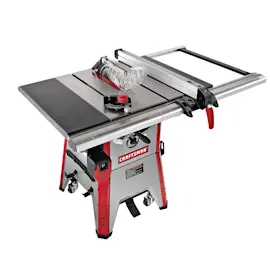
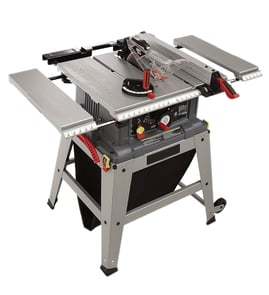
If your Craftsman table saw model 137272210 still runs, the best way to get rid of it is to sell or donate it; if it’s broken, recycle it as scrap metal and dispose of sharp items (like blades) safely so nobody gets cut during handling.
Best options (from easiest to most responsible)
- Sell it locally if it powers on and the blade height and bevel adjustments work.
- Donate it if it’s safe to operate (guard and switch function properly).
- Give it away for free if you just need it gone quickly.
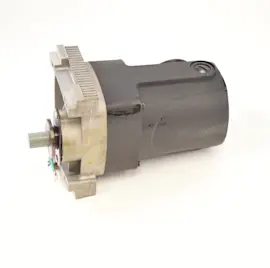
- Recycle as scrap metal if the motor is burned out or the trunnion/arbor is damaged.
- Use a local bulky-item pickup or recycling event if your area offers one.
How to prep the saw for disposal (safety first)
- Unplug the saw and remove the switch key (if equipped).
- Remove the blade and pack it separately.
- Lower the blade fully and set bevel to 0° before moving the saw.
- Secure loose parts (miter gauge, fence, throat plate) so they do not fall off.
- Tape or wrap sharp edges (blade, dado set, broken cast edges) in heavy cardboard.
Blade and accessory handling
Most recycling centers do not want loose sharp blades mixed in bins. Use this quick guide:
| Item | What to do | Why it matters |
|---|---|---|
| Saw blade / dado blades | Wrap in cardboard and tape; label “sharp” | Prevents injuries to handlers |
| Fence, miter gauge, guard | Bundle and tape together | Keeps parts from getting lost |
| Power cord | Coil and tape to the frame | Prevents snagging during transport |
Why it matters
Table saws are heavy power tools with sharp components. Prepping the saw reduces injury risk and helps ensure the metal, motor, and hardware can be reused or recycled instead of going to the landfill.
Related DIY help
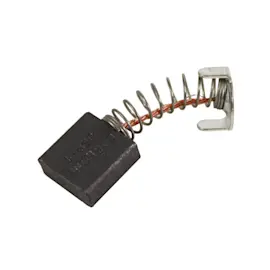
If you are deciding whether it’s worth fixing before you get rid of it, start with table saw won't start to pinpoint common failures like a bad switch, worn motor brushes, or a seized arbor.
Last updated: February 2026
What not to do with a table saw?
For the Craftsman table saw model 137272210, never cut freehand, wear gloves or loose clothing, stand directly in line with the cut, or force warped lumber through the blade; these mistakes cause kickback, binding, and loss of control. Use proven safe-cutting practices every time. See our how to use a table saw safely guide for step-by-step safety habits.
What to avoid (high-risk mistakes)
- Do not cut freehand; always use the rip fence, miter gauge, or a sled.
- Do not wear gloves, loose sleeves, jewelry, or tie-back hair loosely; anything that can catch is a hazard.
- Do not stand directly behind the board; stand slightly to one side to reduce kickback risk.
- Do not reach over or behind the blade to clear scraps; shut the saw off and wait for a full stop.
- Do not cut bowed, twisted, or badly cupped lumber without jointing/straightening support; it can pinch the blade.
- Do not remove safety devices “just for one cut”; keep the blade guard and riving knife installed when the cut allows.
Safer habits that prevent kickback
- Keep the riving knife/splitter aligned with the blade.
- Use a push stick or push block for narrow rips.
- Keep the fence parallel to the blade and lock it firmly.
- Support long stock with outfeed support so it does not lift or twist.
- Use a sharp, correct blade for the material (rip blade for ripping, crosscut blade for crosscuts).
Quick “don’t do this” checklist by task
| Task | Don’t do this | Do this instead |
|---|---|---|
| Ripping | Trap the board between fence and miter gauge | Use fence only (or a sled designed for the cut) |
| Crosscutting | Use the rip fence as a stop without a spacer | Use miter gauge/sled; add a stop block with clearance |
| Narrow cuts | Put fingers near the blade | Use push tools and keep hands well away |
| Clearing scraps | Sweep near a moving blade | Power off; wait for stop; use a stick/brush |
Why it matters
Most table saw injuries and “bad surprises” come from kickback and loss of control. Avoiding freehand cuts, keeping guards in place, and using push tools reduces the chance the workpiece gets grabbed and thrown.
Last updated: February 2026
Can you use an 8 inch blade on a 10 inch table saw?
Yes. On a Craftsman table saw like model 137272210, you can use an 8-inch blade as long as the blade’s arbor hole matches your saw’s arbor and the blade is rated for the saw’s RPM. Expect reduced maximum cut depth compared with a 10-inch blade.
What changes when you downsize to an 8-inch blade
An 8-inch blade sits lower in the throat opening, so it cannot cut as deep and may not reach through thicker stock.
- Less cutting depth (common tradeoff)
- Same rip and crosscut accuracy if the blade is sharp and aligned
- Potentially smoother cuts with the right tooth count for your material
- More clearance for some non-through operations (like certain dado setups), depending on your arbor and guard design
Fit and safety checks (do these before installing)
Use these checks any time you change blade diameter on a table saw.
- Confirm the arbor hole size on the blade matches the saw (many are 5/8 inch, but verify)
- Make sure the blade’s max RPM rating is at least the saw’s no-load RPM
- Verify the blade kerf works with your splitter/riving knife alignment
- Check that the blade clears the throat plate and does not contact the housing at full height/tilt
- Reinstall and use the blade guard and anti-kickback devices when the cut allows
Typical cut-depth difference (what to expect)
Exact depth varies by saw design, but this is the normal range.
| Blade diameter | Typical max cut depth at 90° | Best use |
|---|---|---|
| 10 inch | ~3-1/8 inches | General ripping and crosscutting |
| 8 inch | ~2 inches | Thinner stock, specialty blades, some dado work |
Why it matters
Using the correct blade size and rating helps prevent binding, kickback, and motor strain. If your saw is bogging down or cutting poorly, blade condition and alignment usually matter more than blade diameter.
For step-by-step blade change and setup tips, use our guide: how to replace a table saw blade.
Last updated: February 2026
What size blade is a craftsman 137272210 table saw?
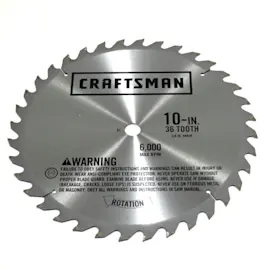
For the Craftsman table saw model 137272210, the blade size is typically 10 inches (most jobsite and contractor-style table saws in this series use a 10-inch blade). For safe fit and performance, match the arbor hole size and the saw’s maximum RPM to the blade you install.
What to match besides “10-inch”
Even when the diameter is correct, these specs determine whether the blade fits and runs safely:
- Arbor hole size (commonly 5/8 inch on 10-inch table saw blades)
- Kerf thickness (thin-kerf vs full-kerf; thin-kerf can reduce load on smaller motors)
- Tooth count (24T ripping, 40T general purpose, 60T to 80T crosscut/plywood)
- Max RPM rating on the blade (must meet or exceed the saw’s no-load speed)
- Blade type (carbide-tipped for wood; specialty blades for laminate or non-ferrous metals)
Quick blade selection guide
| What you’re cutting | Common blade choice | What you’ll notice |
|---|---|---|
| Framing lumber, fast rips | 10-inch, ~24T rip blade | Faster feed, rougher edge |
| General DIY cuts | 10-inch, ~40T combo blade | Balanced speed and finish |
| Plywood, trim, clean crosscuts | 10-inch, 60T to 80T | Cleaner edge, slower feed |
Why it matters
Using the correct blade diameter and arbor size helps the blade seat flat on the flange, keeps the guard and riving knife alignment correct, and reduces vibration that can cause burning, kickback, or inaccurate cuts.
Helpful DIY guidance
- For step-by-step blade removal and installation, follow how to replace a table saw blade.
- If your cuts are not square after a blade change, use table saw bad angle cuts to check blade-to-miter-slot and fence alignment.
Last updated: February 2026
Does Craftsman make a good table saw?
Yes. For the Craftsman 137272210 table saw, we consider it a good choice for DIYers who want solid cutting power and portability for weekend projects; it is less ideal for cabinet-grade precision or daily jobsite abuse where fence accuracy and long-term durability matter most.
What “good” means for a table saw
A table saw can be “good” in different ways depending on how you use it:
- Value: strong features for the price
- Capability: handles common rip cuts and crosscuts cleanly with the right blade
- Accuracy: fence stays parallel to the blade and holds settings
- Durability: stand, trunnion, and adjustment mechanisms hold up over time
- Safety: guard, riving knife, and anti-kickback parts are used consistently
Where Craftsman table saws typically perform well
For a model like the 137272210, Craftsman table saws are usually a strong fit when you want a practical saw for home use.
- Breaking down plywood and sheet goods
- Basic trim, shelving, and framing cuts
- Learning table saw setup and safe technique
- Occasional use where portability matters
Common limitations to plan for
If you need repeatable, high-precision cuts, the usual weak points are setup and rigidity, not raw motor power.
- Fence may need careful alignment and consistent locking technique
- Stand and table can flex more than heavier contractor or cabinet saws
- Blade alignment and bevel stops may need periodic tuning
- Stock blade (if still installed) may not cut as cleanly as a premium blade
Quick decision guide
| Your priority | Craftsman 137272210 fit | What to do next |
|---|---|---|
| DIY projects and general home use | Good | Focus on setup, blade choice, and safe technique |
| Fine woodworking, tight joinery | Fair | Tune the fence and blade alignment; use a high-quality blade |
| Heavy daily use | Poor | Plan for faster wear and more frequent adjustments |
Why it matters
Most “bad saw” complaints come from an untuned fence, a dull blade, or misalignment that causes burning, wandering cuts, or kickback risk. A careful setup and maintenance routine makes a bigger difference than the logo on the front.
Helpful DIY resources
Last updated: February 2026